
Laws & Registration
Are Electric Dirt Bikes Street Legal in the U.S.?
Most e-motos are off-highway vehicles, not street-legal machines. Here's what that means before you buy, in plain English.
Buying guides, comparisons and plain-English answers on electric dirt bikes, e-motos and e-bikes.
Most e-motos are off-highway vehicles, not street-legal machines. Here's what that means before you buy, in plain English.
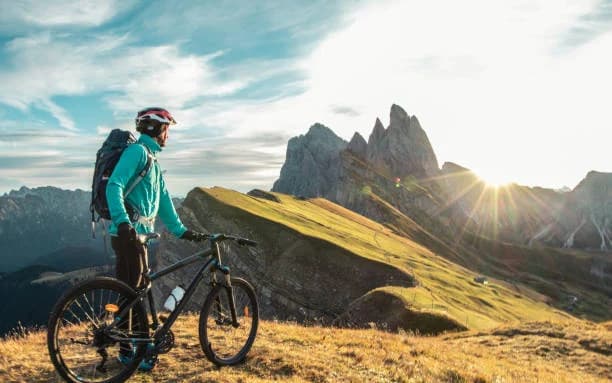
Class 1, 2 and 3 decide where you can legally ride and how fast, based on a shared model law most states follow. A commuter's guide to picking the right class.

Adjustable power, the right seat height and proper gear matter more than top speed. A practical guide for parents buying a first e-moto.
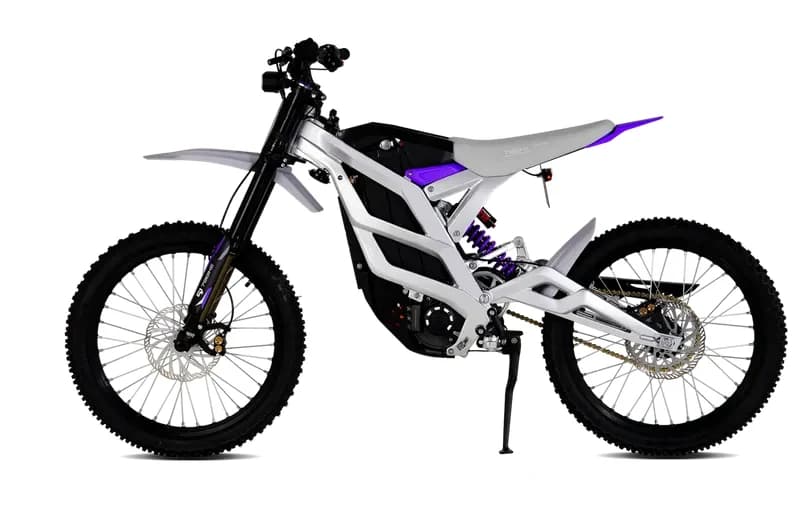
Instant torque and near-silent trails are only part of the story. We compare maintenance, running costs and trail access.
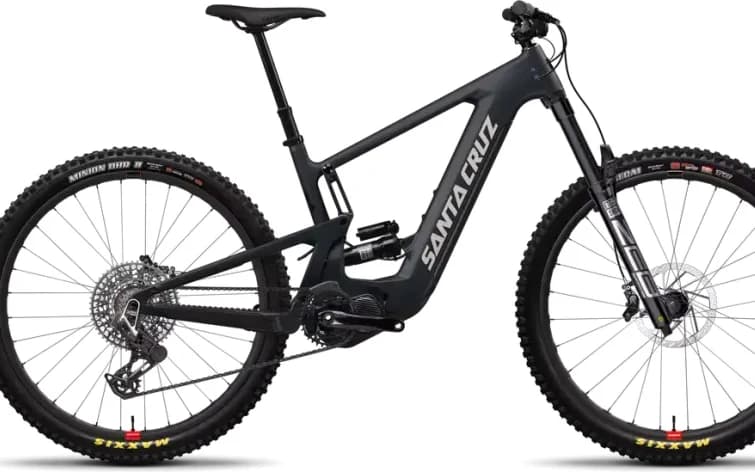
Full-power or SL? Carbon or alloy? A clear framework for choosing a high-end electric mountain bike without the jargon, covering motors and suspension.
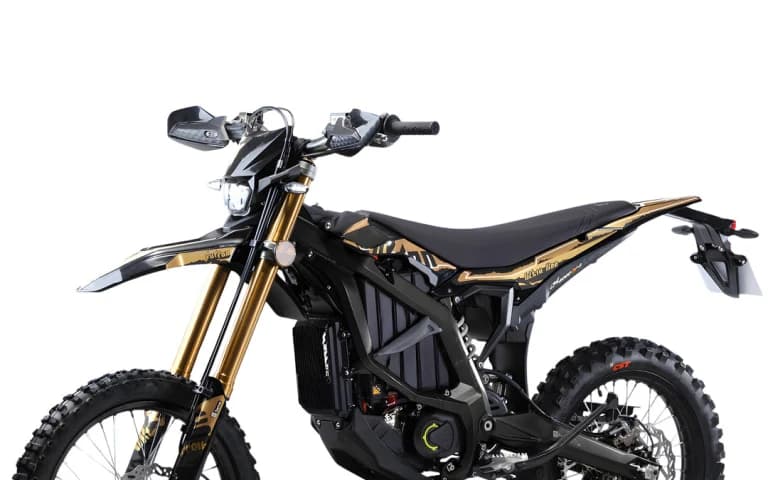
Two icons of the e-moto world go head to head. We break down power, aftermarket support, ride feel and who each one is really for.
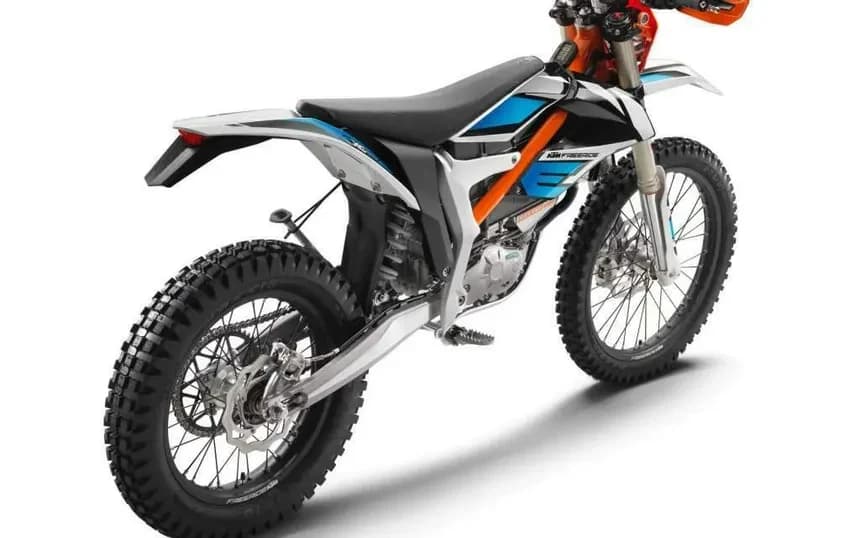
A helmet is only the start. Here's the protective gear that actually matters before your first ride, from boots to body armor.
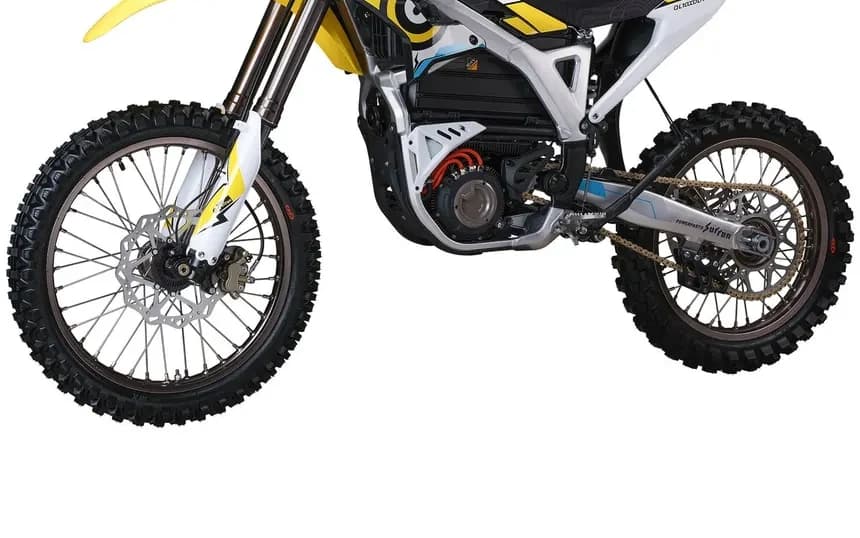
No oil changes, but not zero maintenance either. Here's what actually needs regular attention — tires, brakes, chain and software.
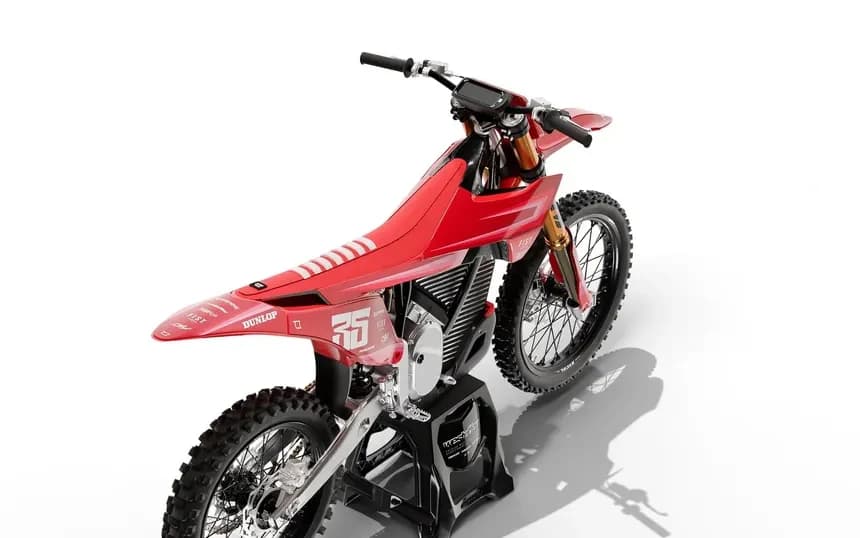
How you charge and store a lithium battery has more effect on its lifespan than how hard you ride it — the 20-80% habit that actually matters most.
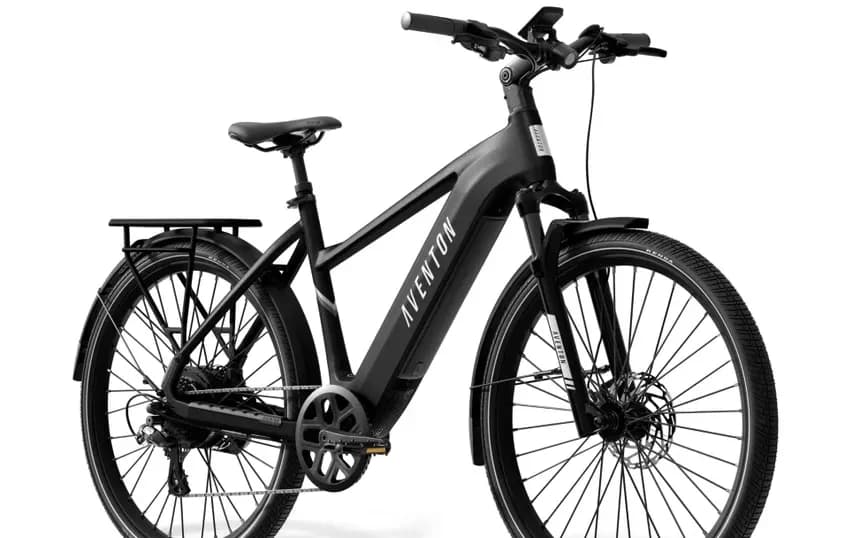
A full charge typically costs a small fraction of a tank of gas. Here's how to think about the real number, in kilowatt-hours.
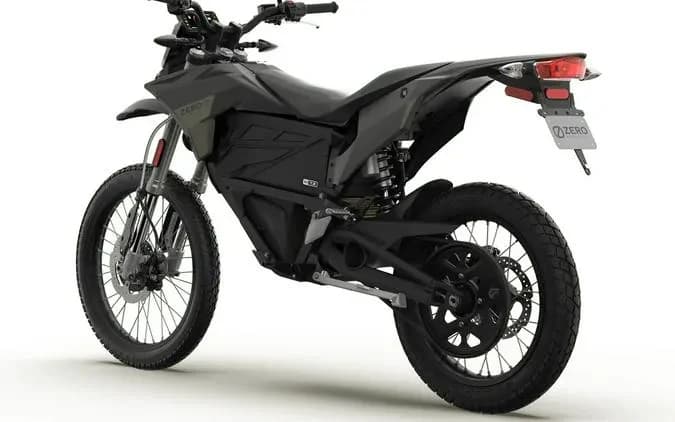
Getting to the trail is part of ownership too. Here's how to haul an electric dirt bike safely by truck bed, trailer or hitch rack.
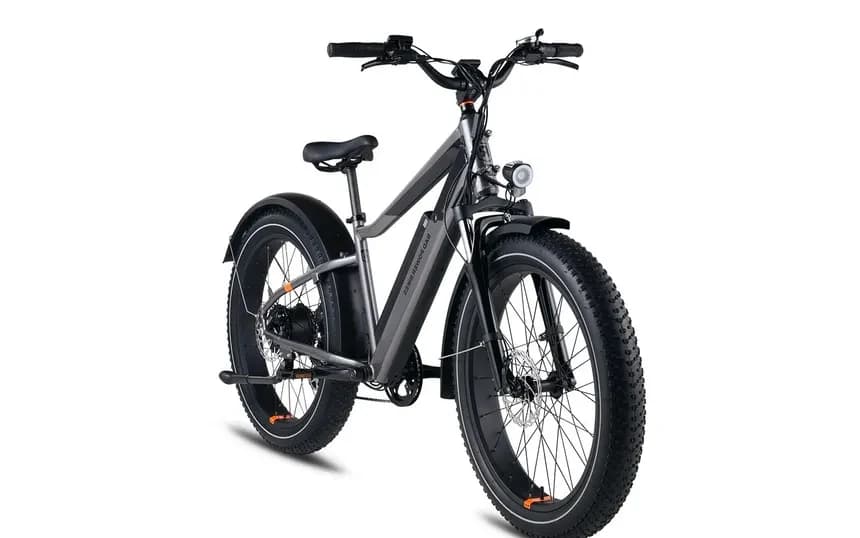
Cold weather changes battery range and tire grip. Here's how to ride smart, stay safe and store your battery correctly when temperatures drop.
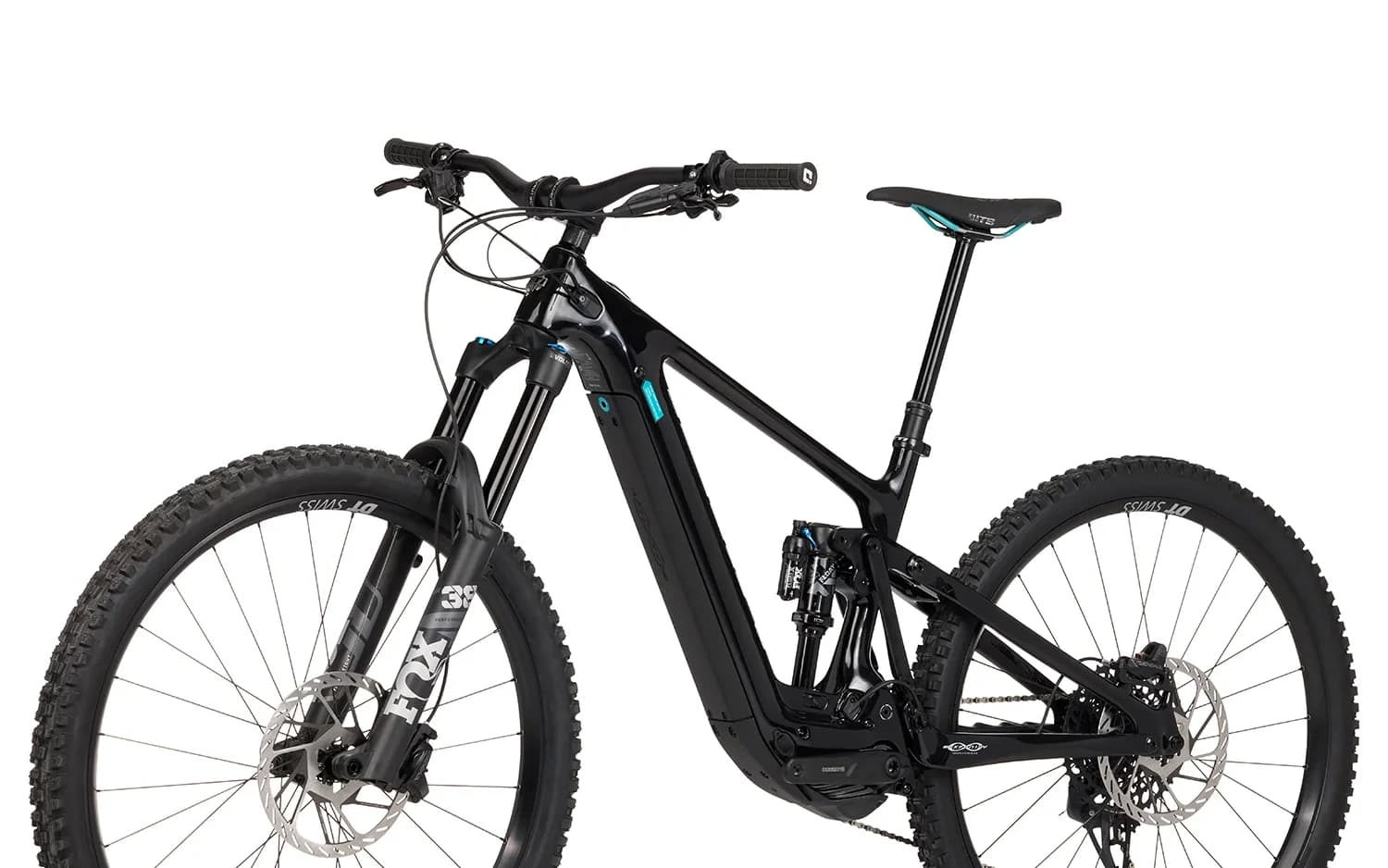
An eMTB that fits wrong undermines even the best motor and suspension. Here's how standover height and reach actually determine comfort.
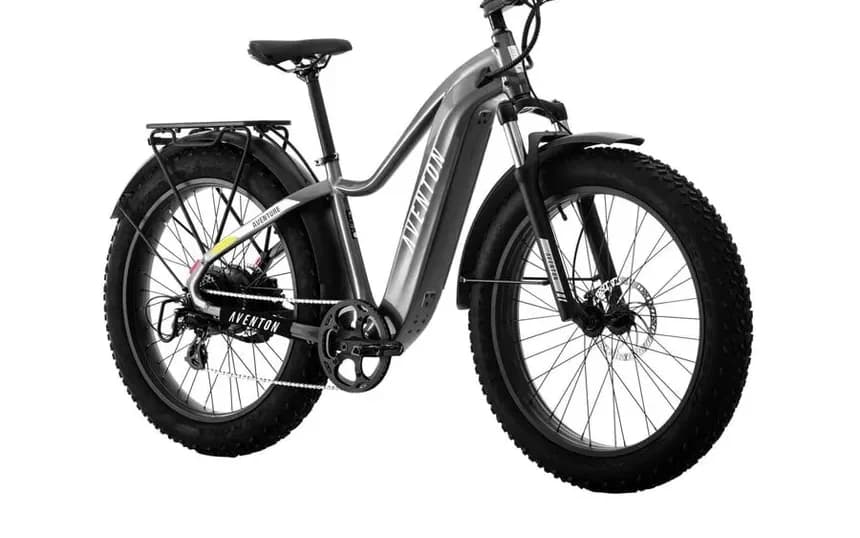
Fat tires aren't just a look. Here's what the extra width actually changes about grip, comfort, flotation and ride feel on soft terrain.
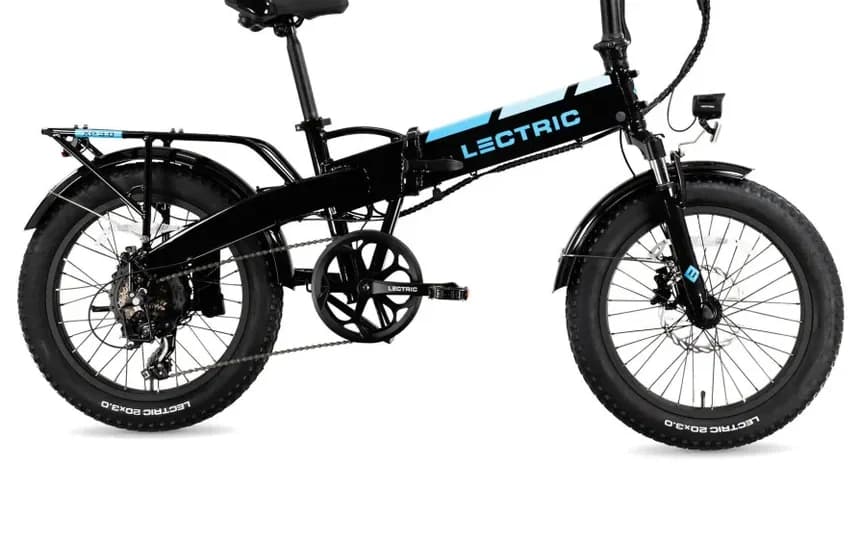
A folding e-bike lives or dies on the fold. Here's what actually matters beyond the marketing photo — size, weight and hinge quality.
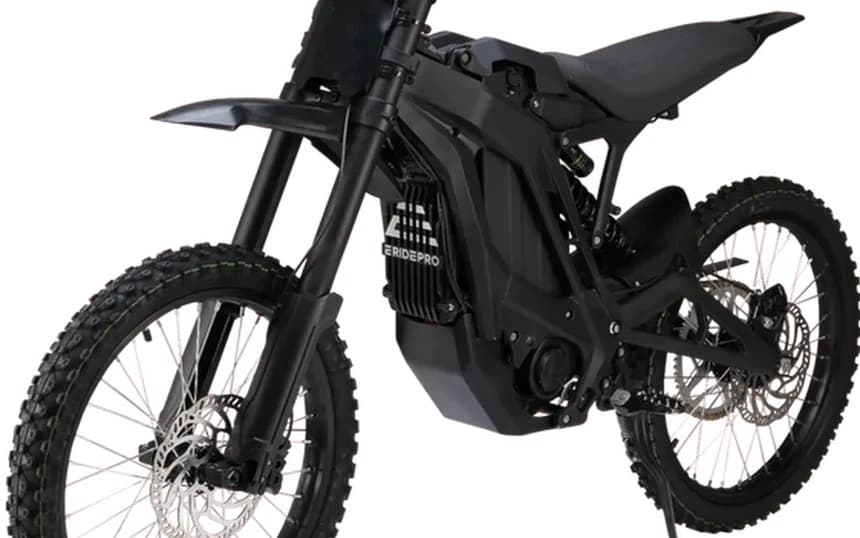
They both have batteries and two wheels, but they’re built for completely different worlds. Here’s how to tell them apart.
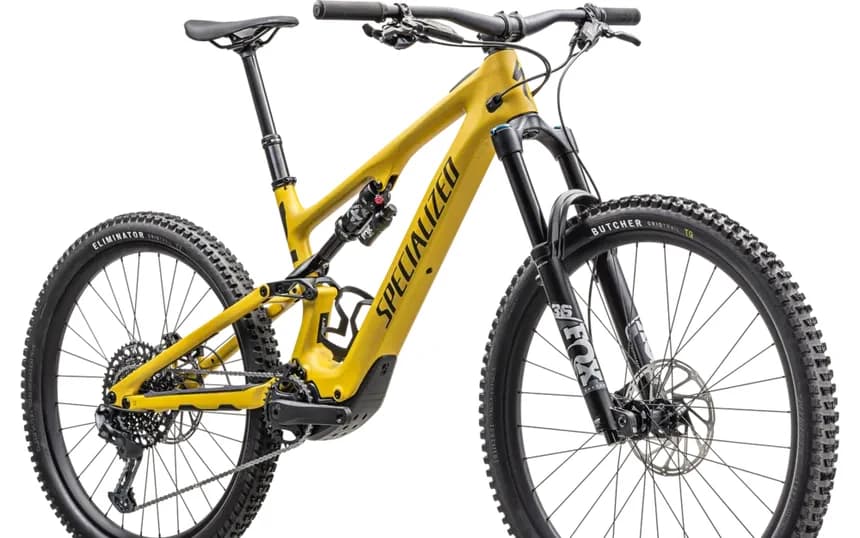
Both go off-road. Both are electric. The riding experience couldn't be more different between throttle e-motos and pedal-assist eMTBs.
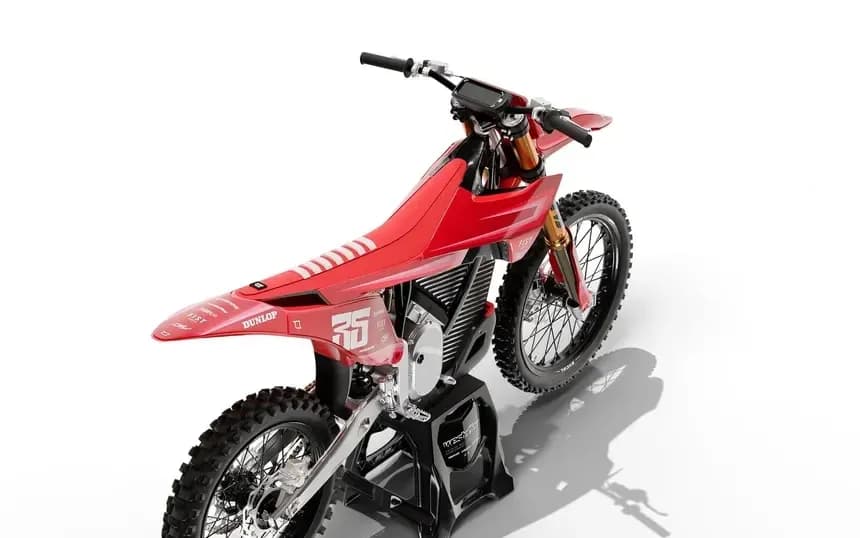
Top speed ranges from 15 mph on youth pit bikes to 60+ mph on flagship e-motos. Here's what actually determines how fast an electric dirt bike goes.
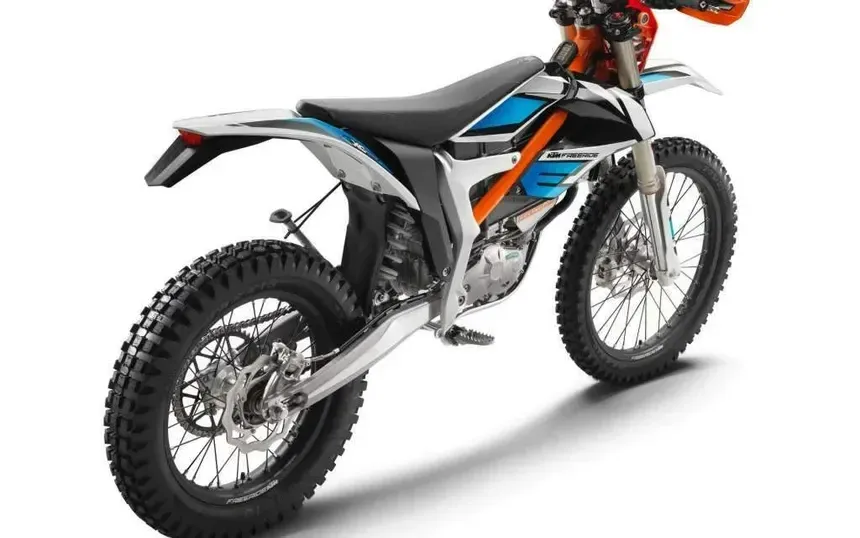
Hub motor or mid-drive changes how a dirt bike delivers power, handles hills and holds up to abuse. Here's how the two motor types actually differ.
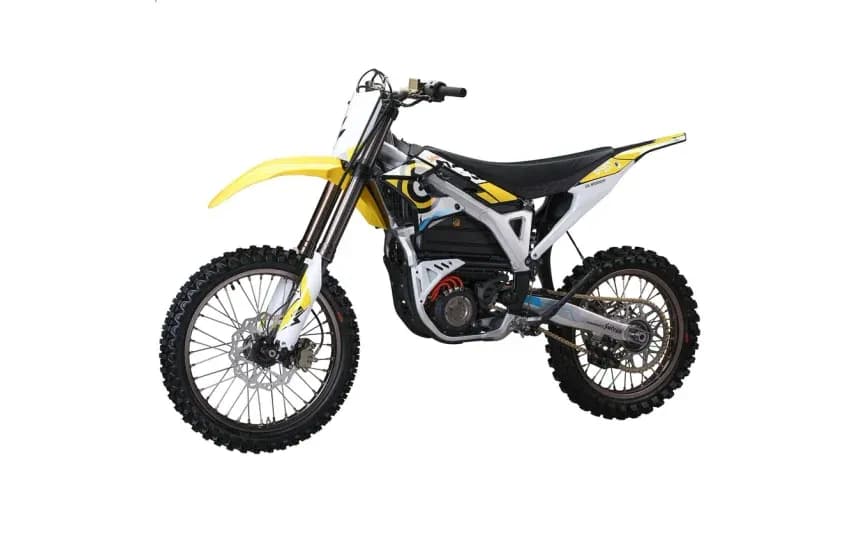
Watt-hours, not voltage alone, tell you how far a battery will actually take you. Here's how to read the spec instead of guessing at range.
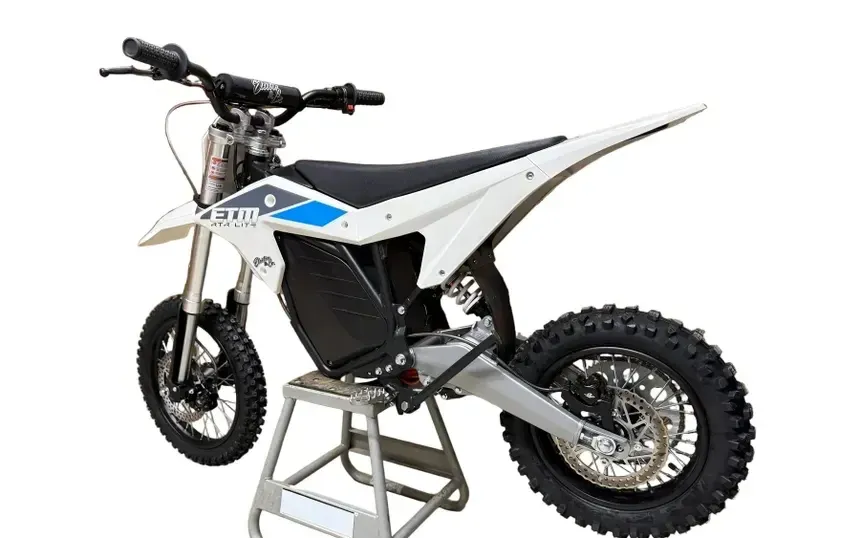
Throttle control, body position and knowing where to start all matter more than raw power. A practical first-ride guide for new owners.
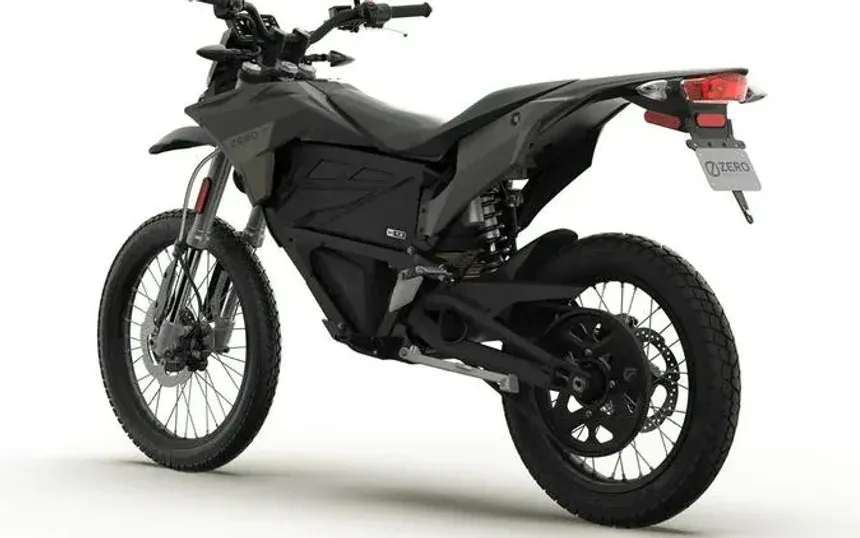
No engine, no exhaust and no idle noise. Here's what actually makes an electric dirt bike so much quieter than a gas bike, and why it matters.
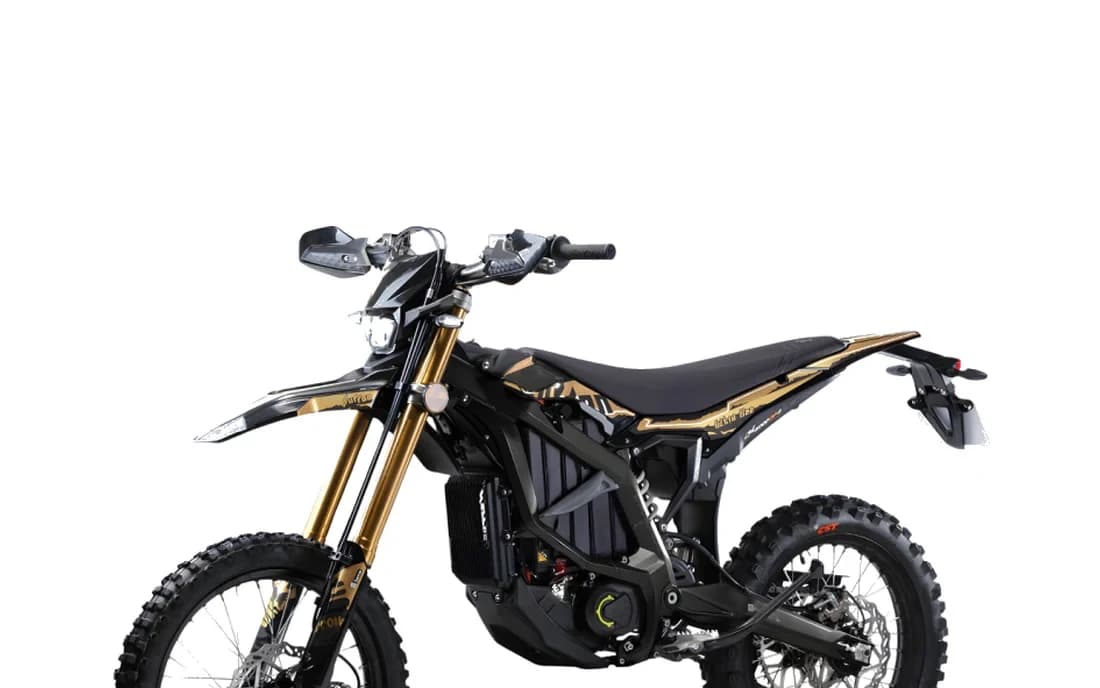
Comparing the Sur-Ron Light Bee X and Ultra Bee on price, weight and aftermarket support to help you choose the right lightweight electric dirt bike.
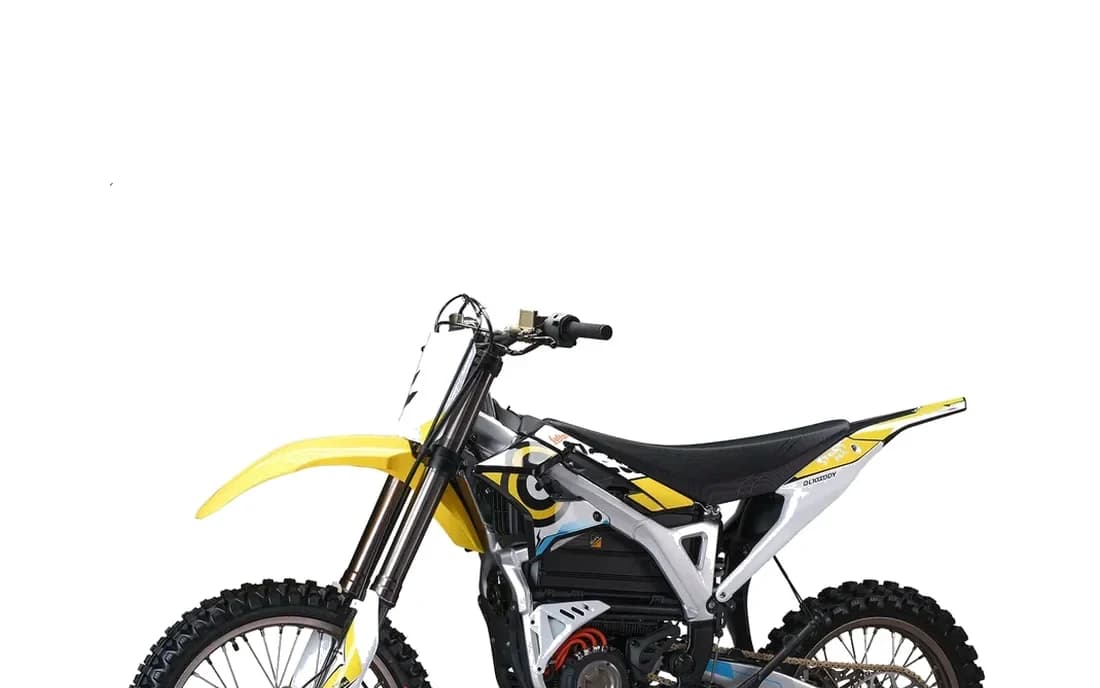
Comparing the Sur-Ron Ultra Bee and flagship Storm Bee on price and positioning to help you decide when it's time to step up to Sur-Ron's top model.
Comparing the Talaria Sting MX3 and Sting R MX4 on price and performance to help you decide where to start in Talaria's Sting lineup.
Comparing the Talaria Sting R MX4 and the new Komodo on price and positioning to help you choose between proven and newest Talaria hardware.
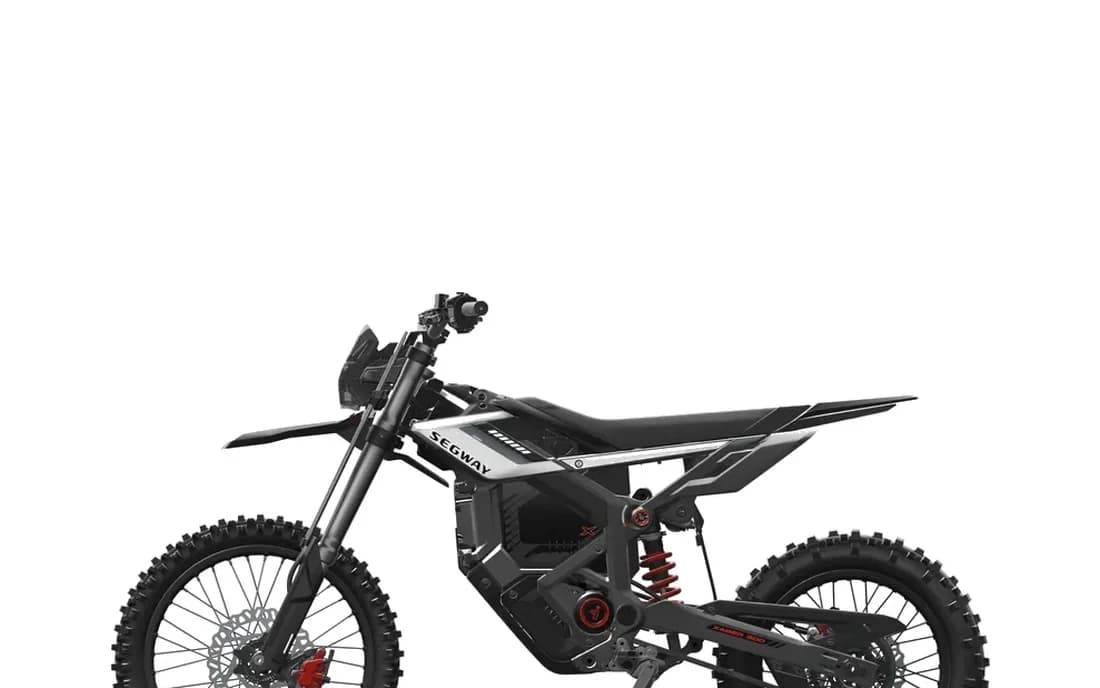
Comparing the Segway Xaber 300 and Talaria Sting R MX4, two similarly priced electric dirt bikes, to help you choose challenger or established brand.
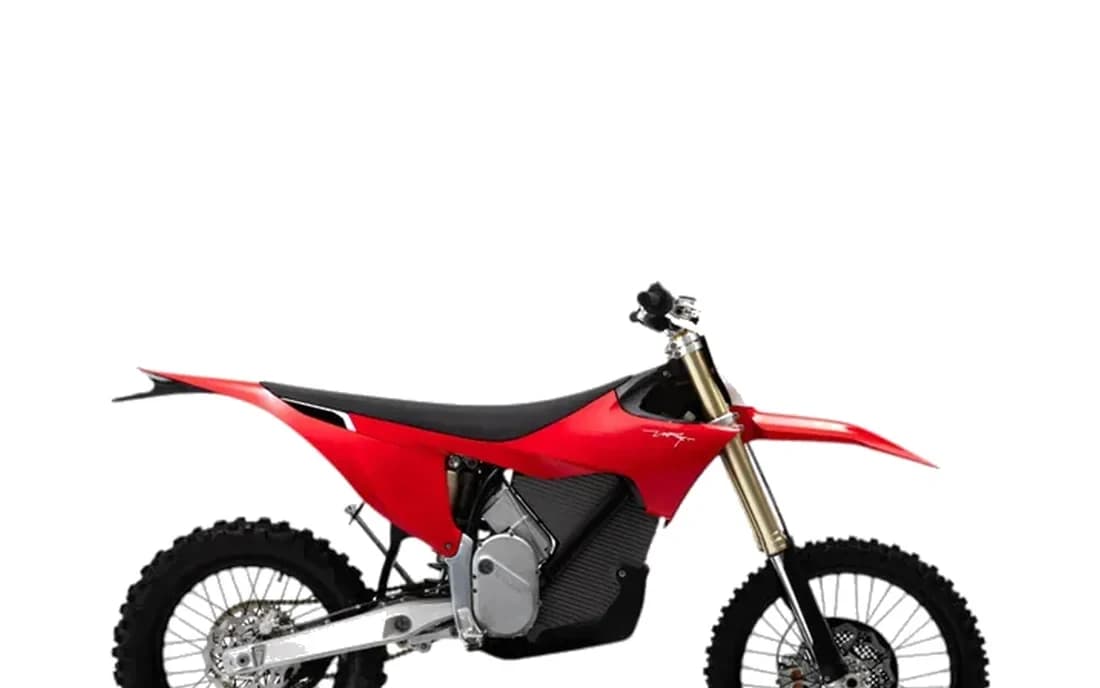
Stark Varg vs Varg EX: track-focused motocross power against the longer-range, regionally street-legal enduro variant — and which one fits your riding.
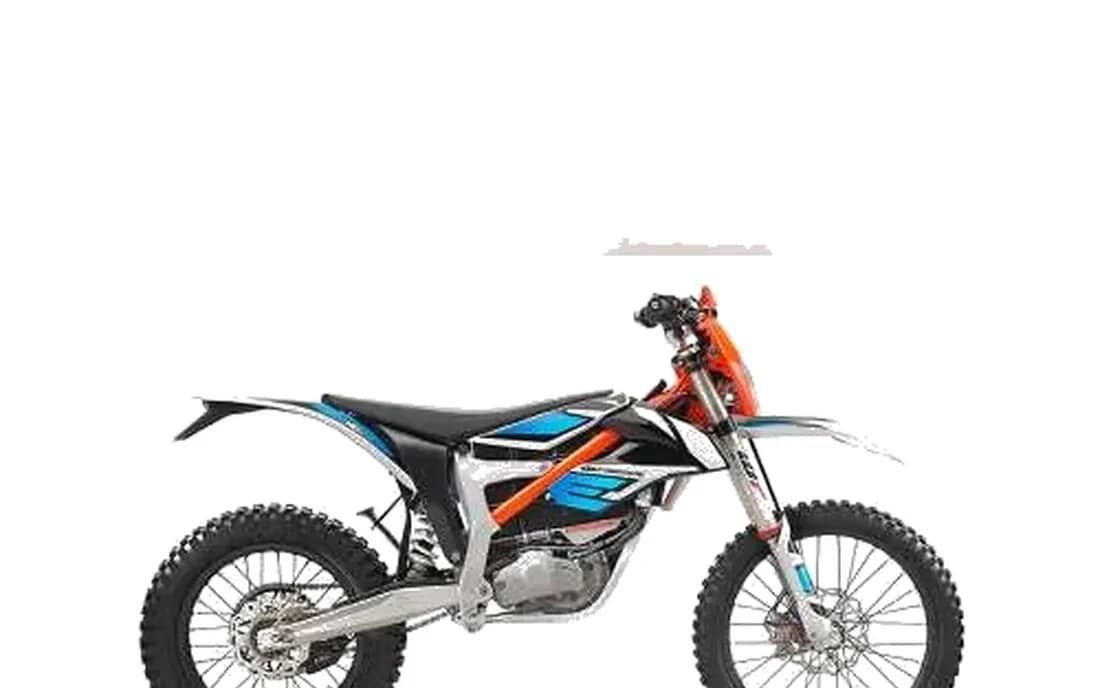
KTM Freeride E-XC vs E-SM: the trail-ready swappable-battery flagship against the tighter, technical supermoto variant — and which one suits your riding style.
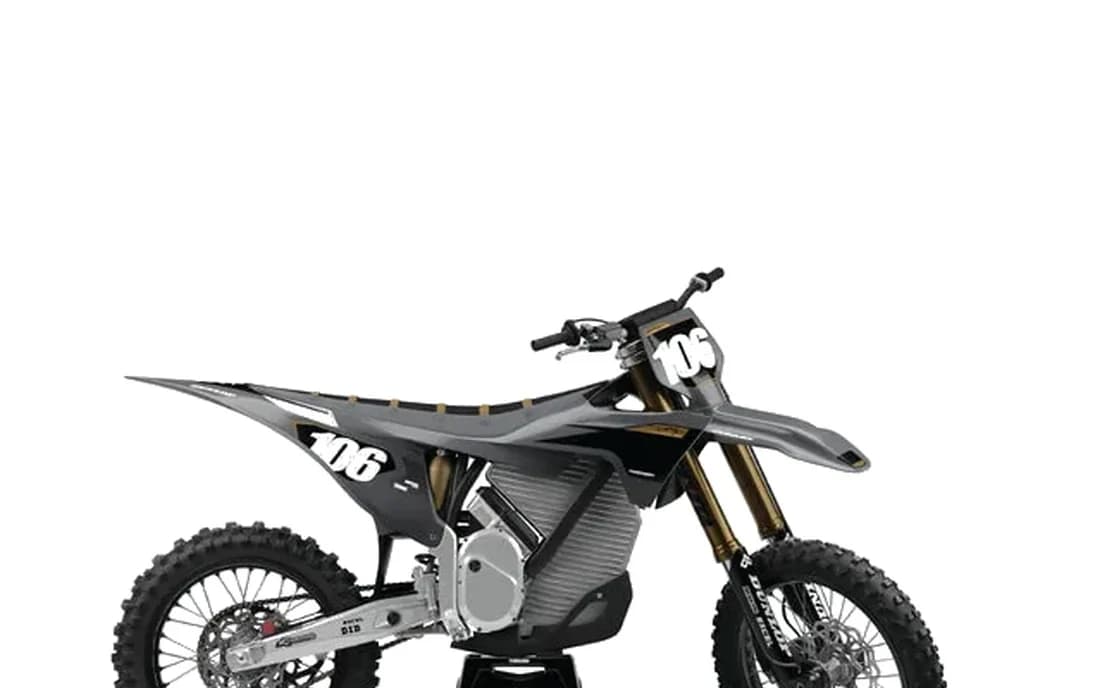
Six electric dirt bike brands compared on price, positioning and philosophy — Sur-Ron, Talaria, Segway, Stark, KTM and Zero — to help you choose the right one.
A rider-fit guide to four electric dirt bikes, from Sur-Ron's light, agile platform to the Stark Varg's fully adjustable power, matched to skill level.
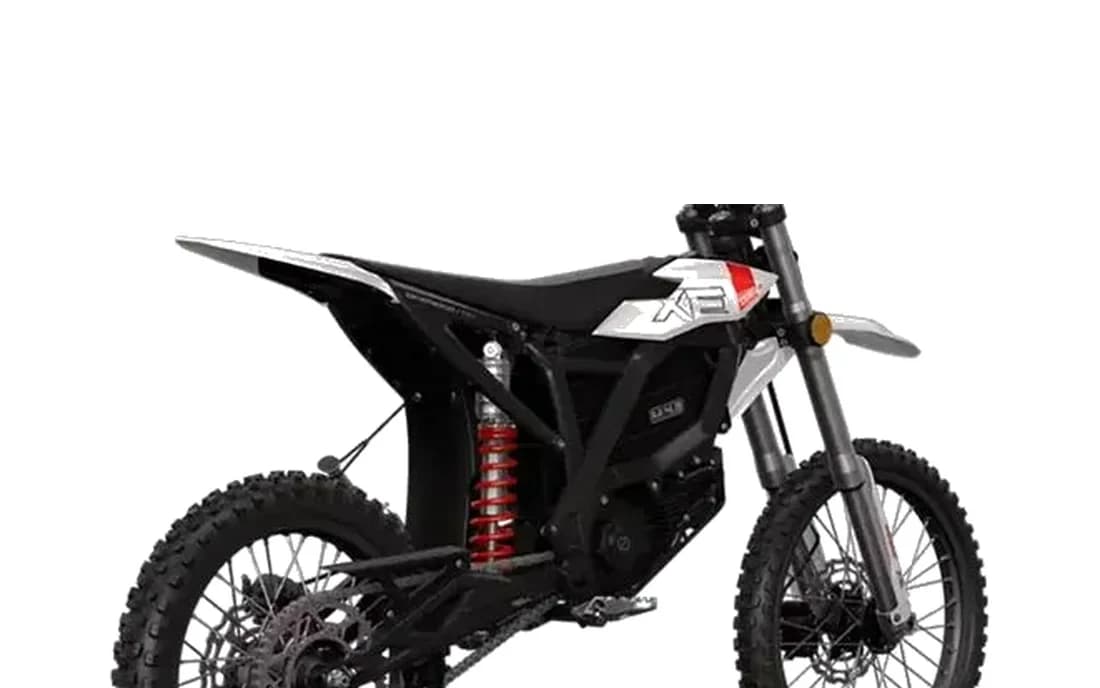
Zero XB vs Zero XE: the accessible entry point against the mid-tier step up in Zero's 2026 electric dirt bike lineup, and which one fits where you are.
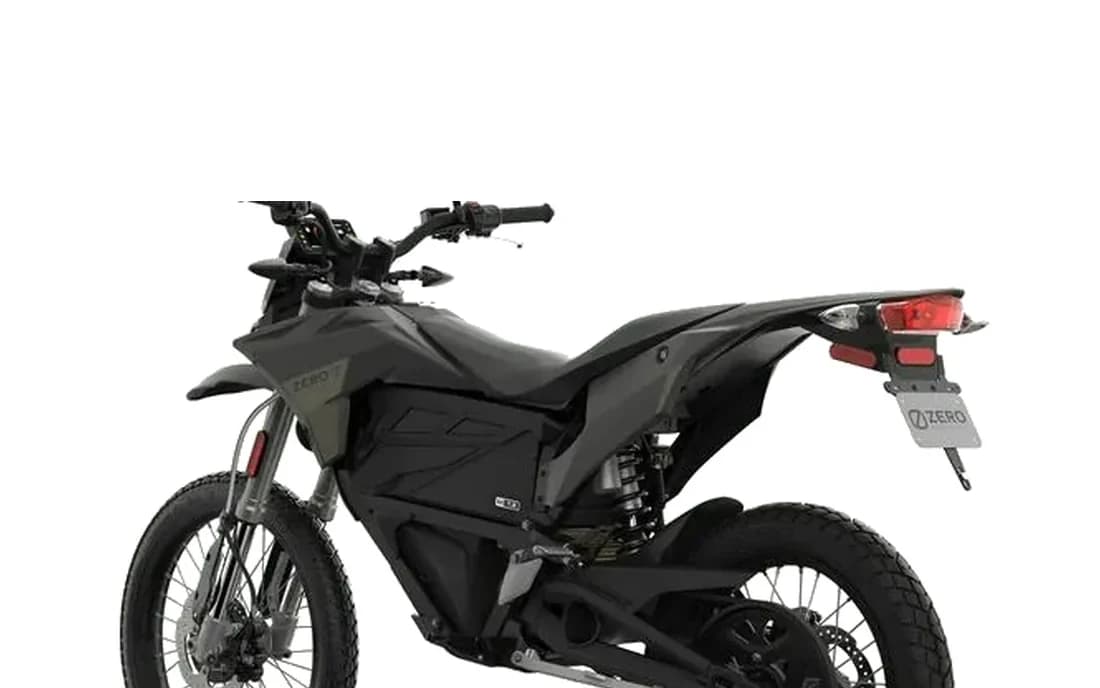
Zero XE vs Zero FX: how the mid-tier and flagship Zero Motorcycles electric dirt bikes compare on price, positioning and who each one suits.
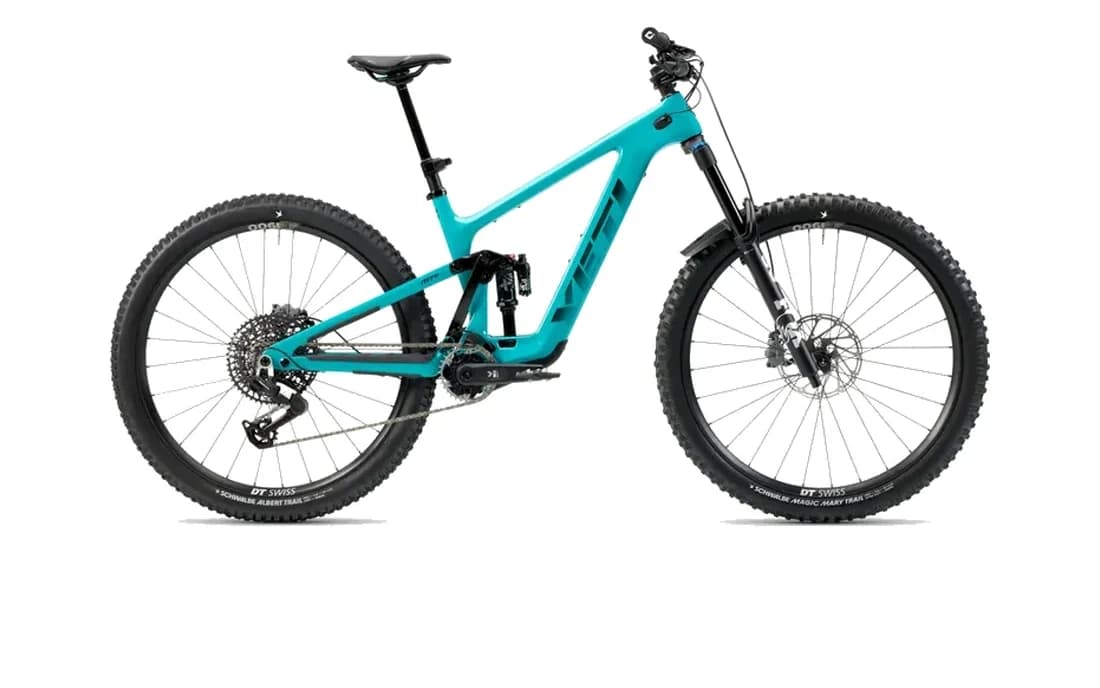
Yeti 160E C2 vs C3: how the entry and step-up build kits on Yeti's benchmark full-suspension eMTB platform compare on price and component spec.
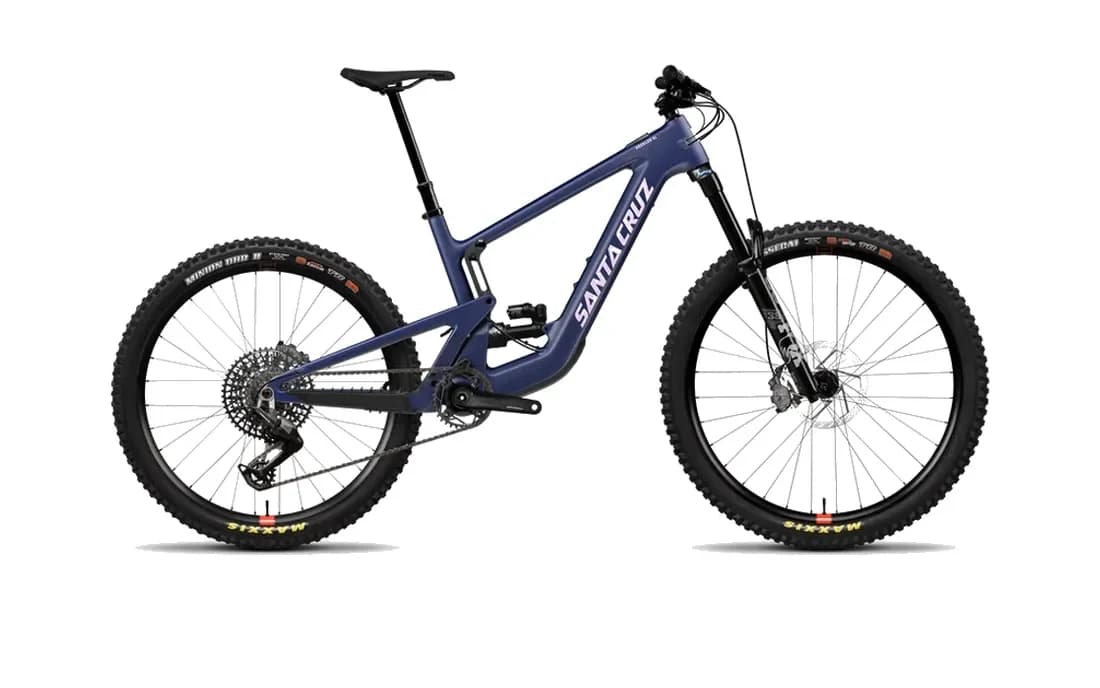
Santa Cruz Heckler SL vs Bullit: how the trail-focused Heckler SL and downhill-oriented Bullit compare on price, geometry and who each fits.
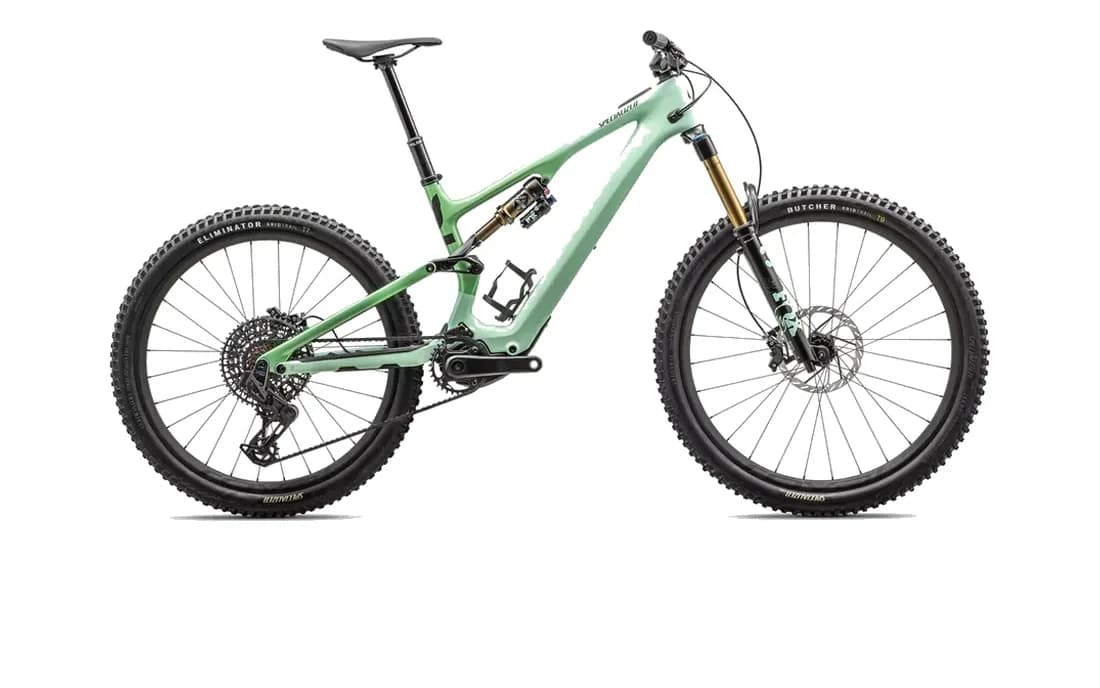
Santa Cruz Heckler SL vs Specialized Turbo Levo SL: a flagship enduro-capable trail eMTB against a lighter, more agile SL-class platform.
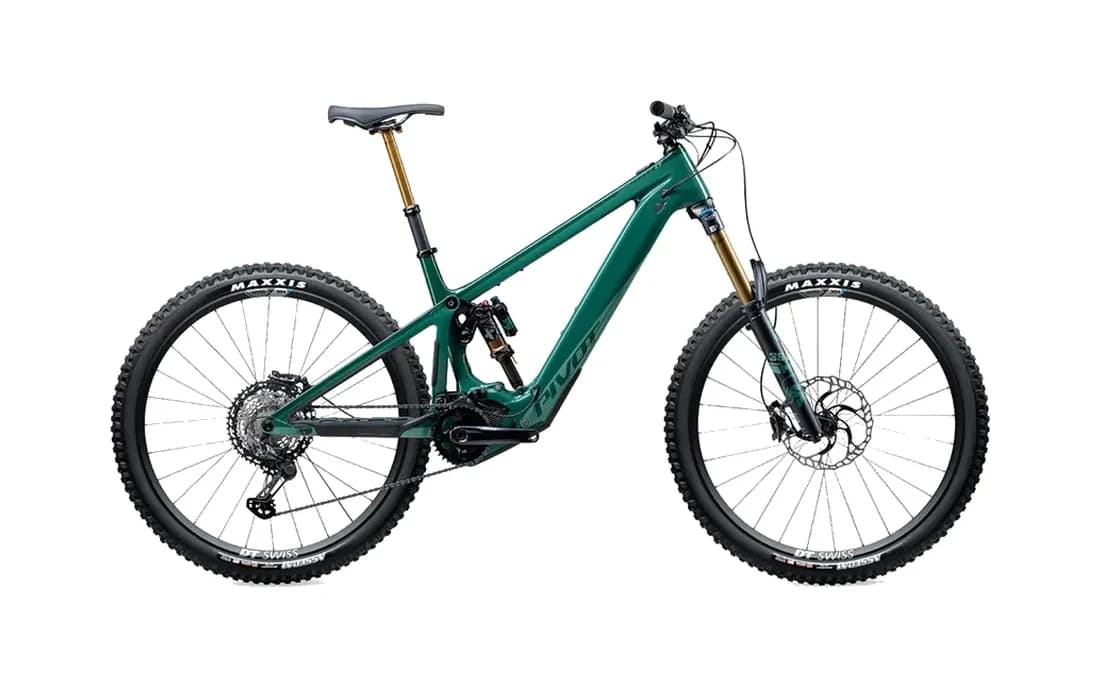
Pivot Shuttle vs Yeti 160E: comparing both brands' trail eMTB tiers — Shuttle SL against 160E C2, and Shuttle LT against 160E C3.
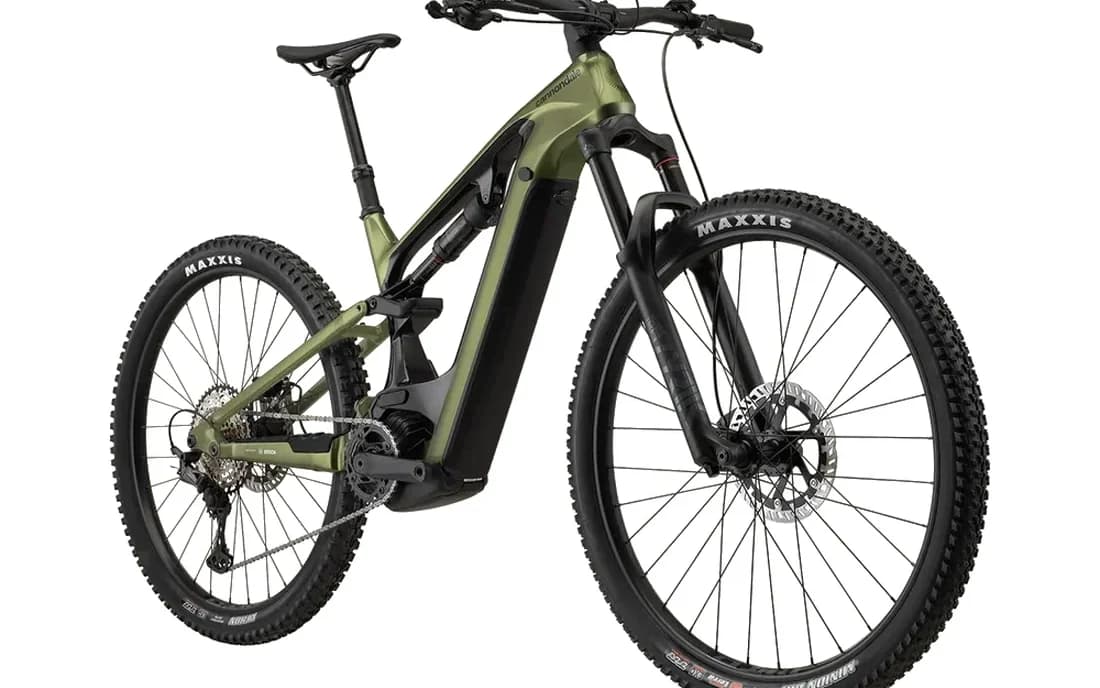
Cannondale's Moterra Neo Carbon 1 and Trek's Rail 7 take different approaches to full-power trail eMTBs — here's how price and positioning compare.
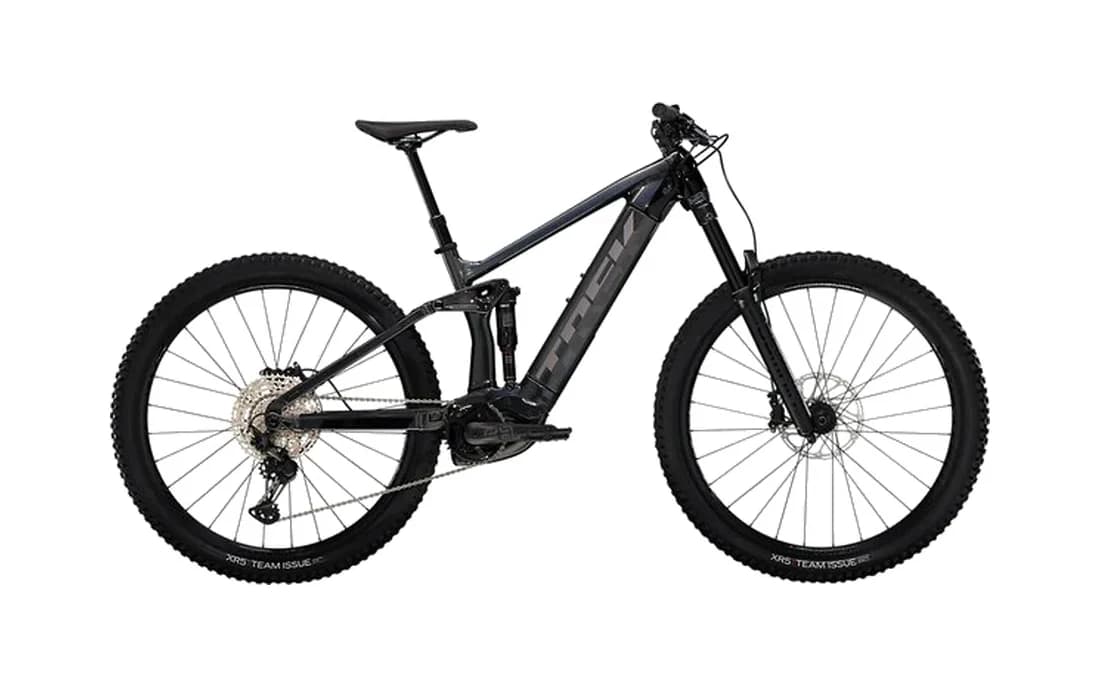
Trek's Rail 7 and Powerfly FS 9.9 sit at different points on the trail-to-enduro spectrum. Here's how the two eMTB platforms actually compare.
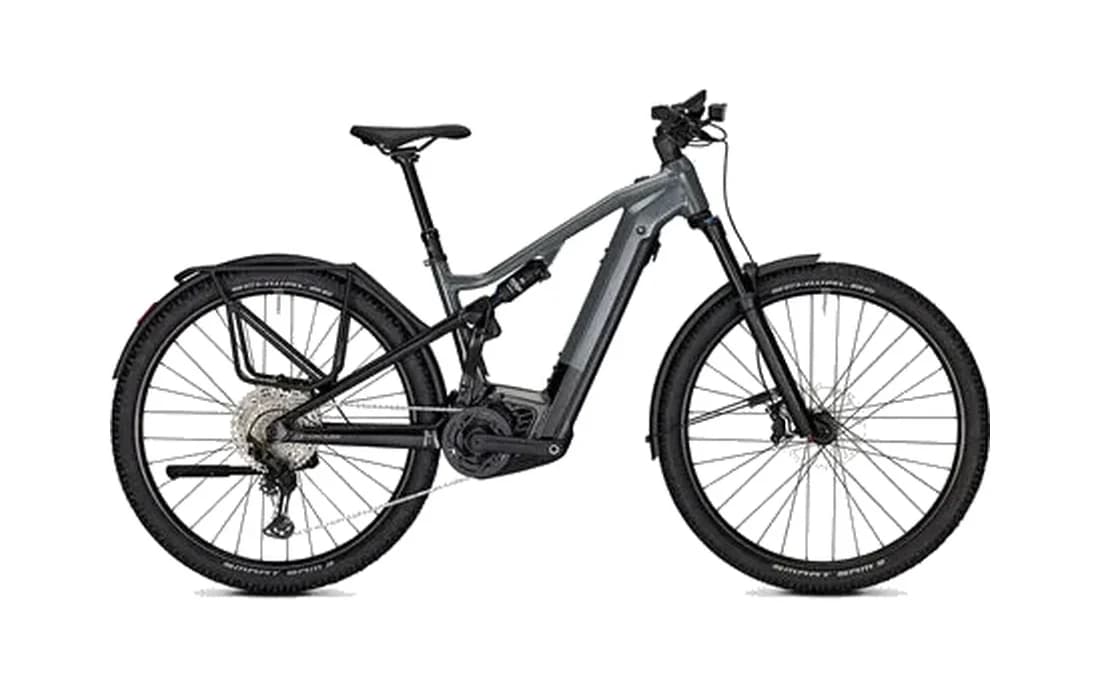
Carbon frames promise less weight, alloy promises lower cost — here's how that tradeoff actually plays out across our electric mountain bike lineup.
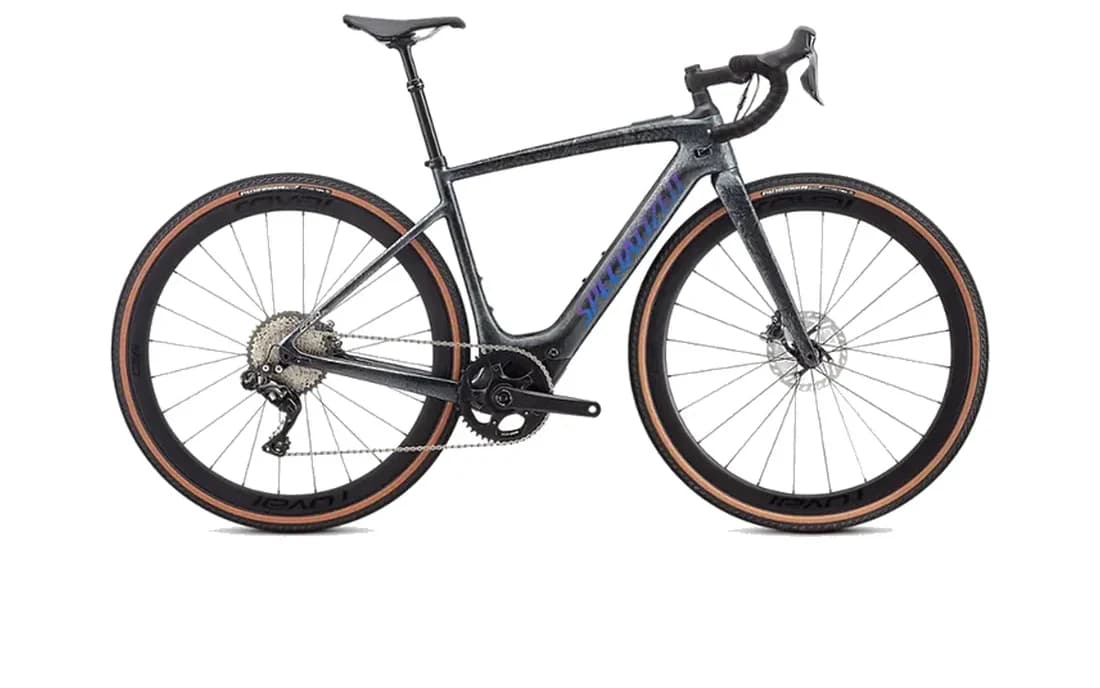
Specialized's Turbo Creo SL Comp Carbon and Expert EVO share one platform at two build tiers. Here's what the $2,000 gap actually buys.
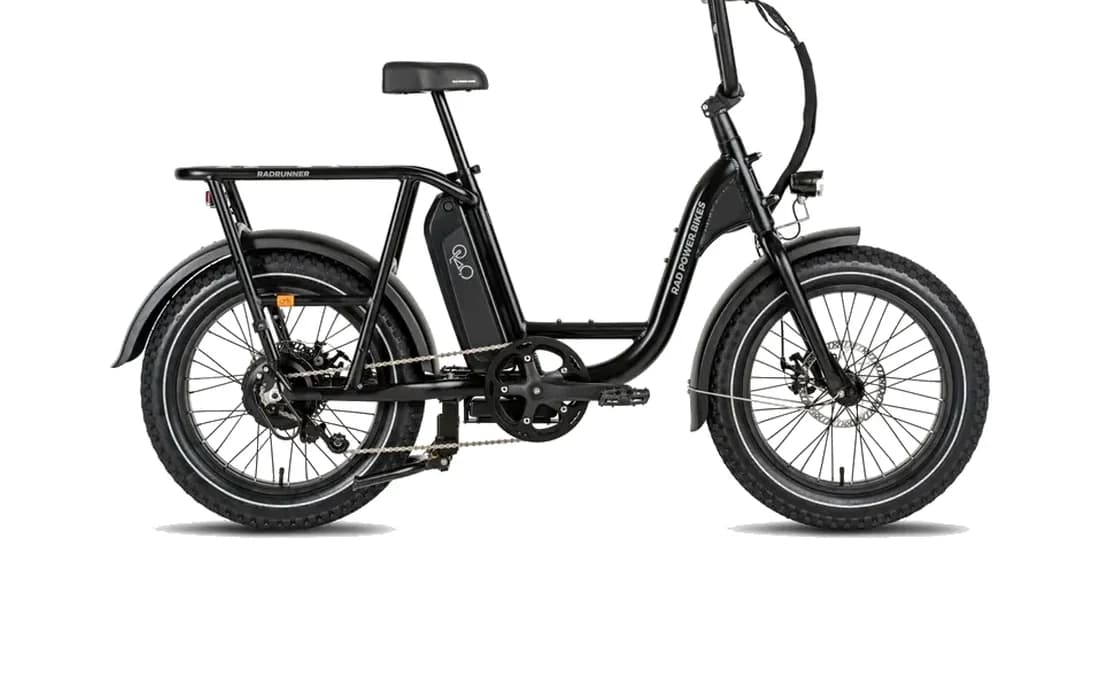
Rad Power Bikes' RadCity 5 Plus and Aventon's Level 3 are two of the best-known budget commuter ebikes. Here's how they compare.
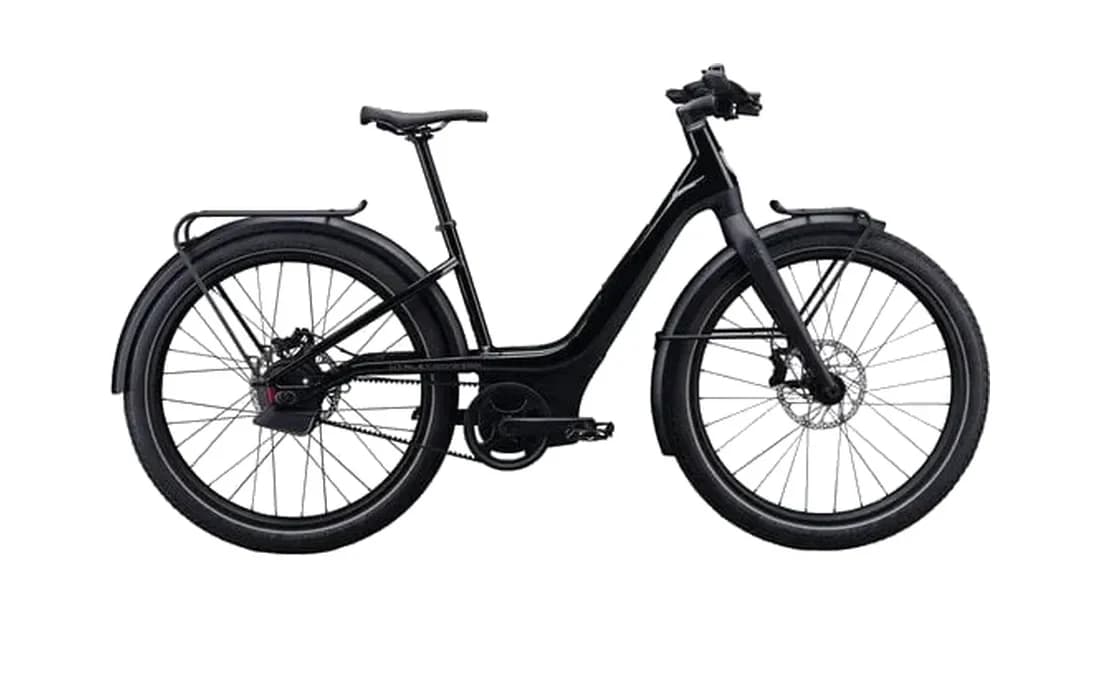
Serial 1's Harley-Davidson-styled Rush/Cty and Trek's Allant+ 7 both cost around $3,500-$3,800 - here's how their pricing, lineups and positioning compare.
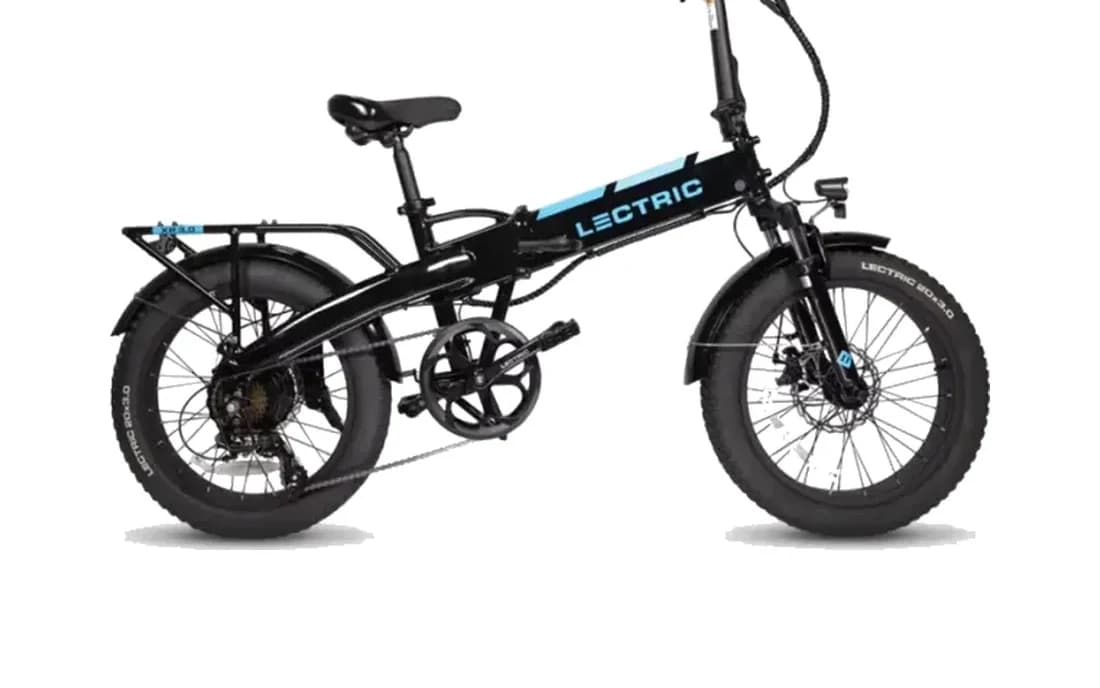
Full-size commuter ebikes like the Trek Allant+ 7 and folding bikes like the Lectric XP 3.0 solve different problems - here's how to choose.
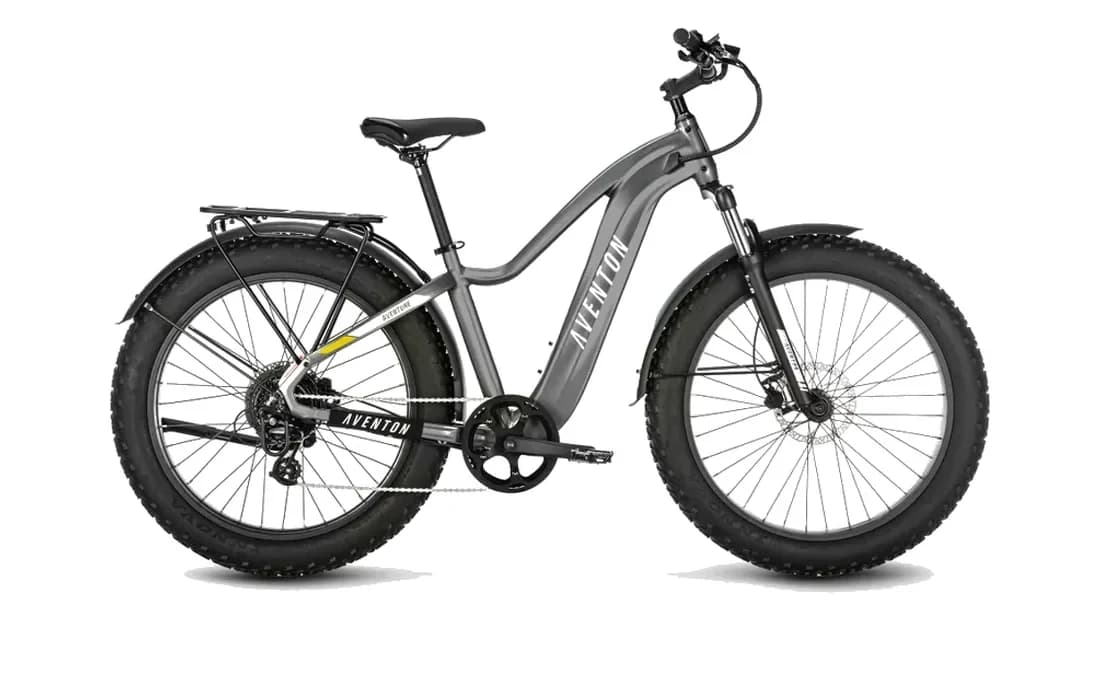
Fat-tire ebikes trade pavement speed for stability on snow, sand and loose trail - here's how to decide if you need one, using a real example.
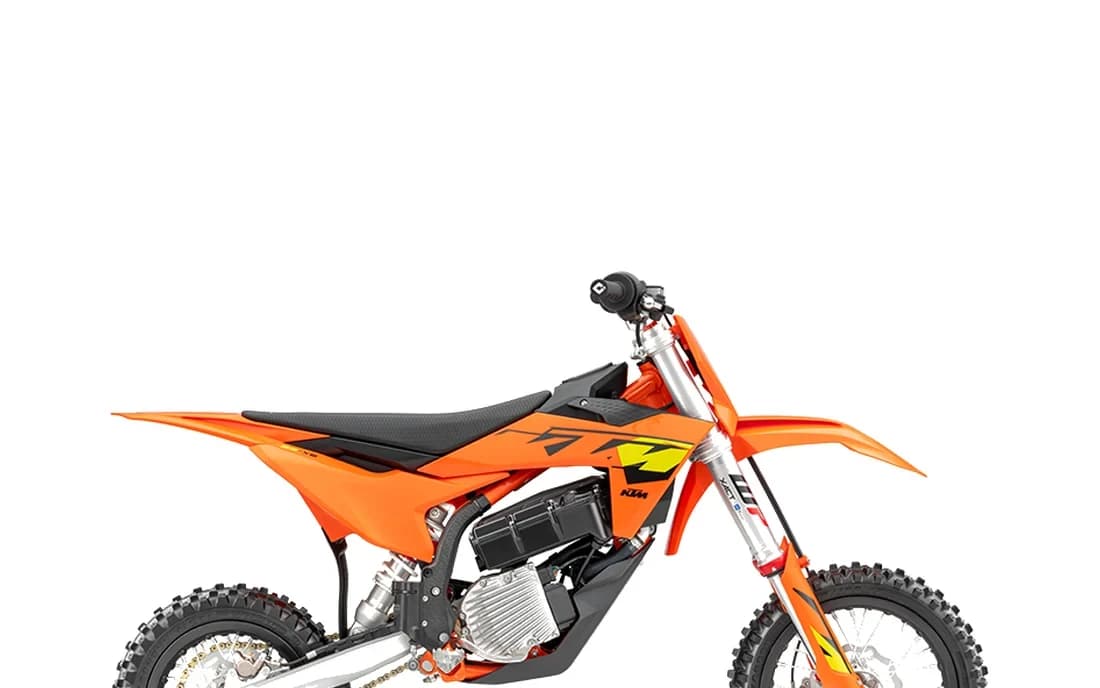
From a $399 starter bike to the KTM SX-E 5 and beyond, here's how to choose a kids' electric dirt bike by age, stage and safety needs.
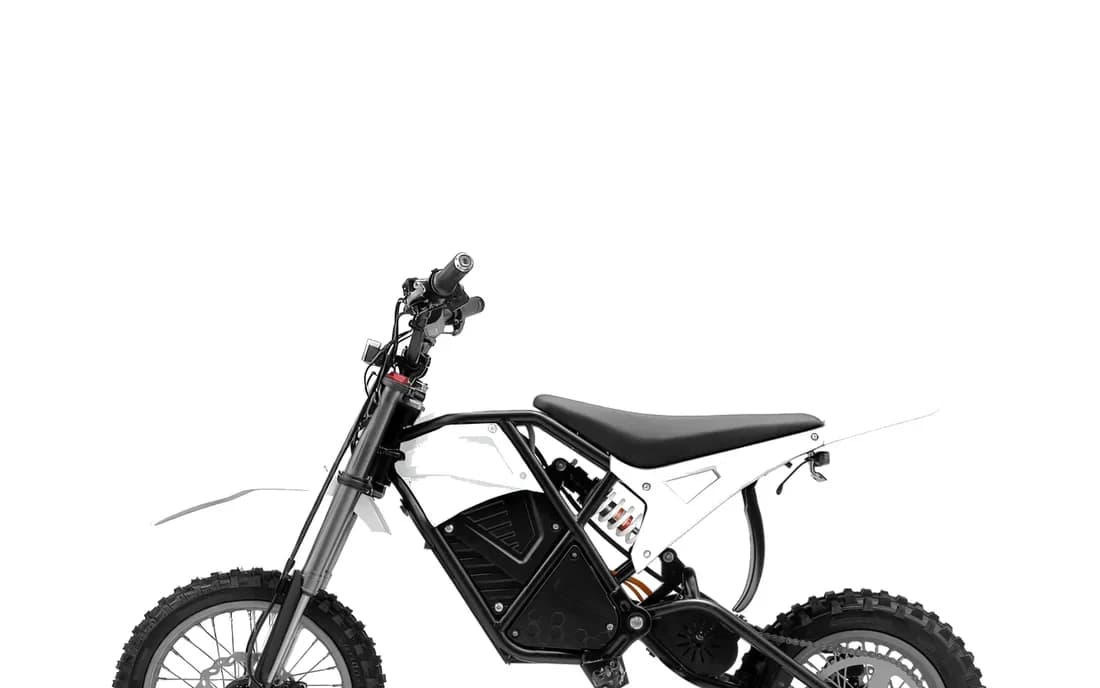
You don't need flagship pricing to get real off-road performance. Here are the strongest electric dirt bikes in our catalog under $5,000.
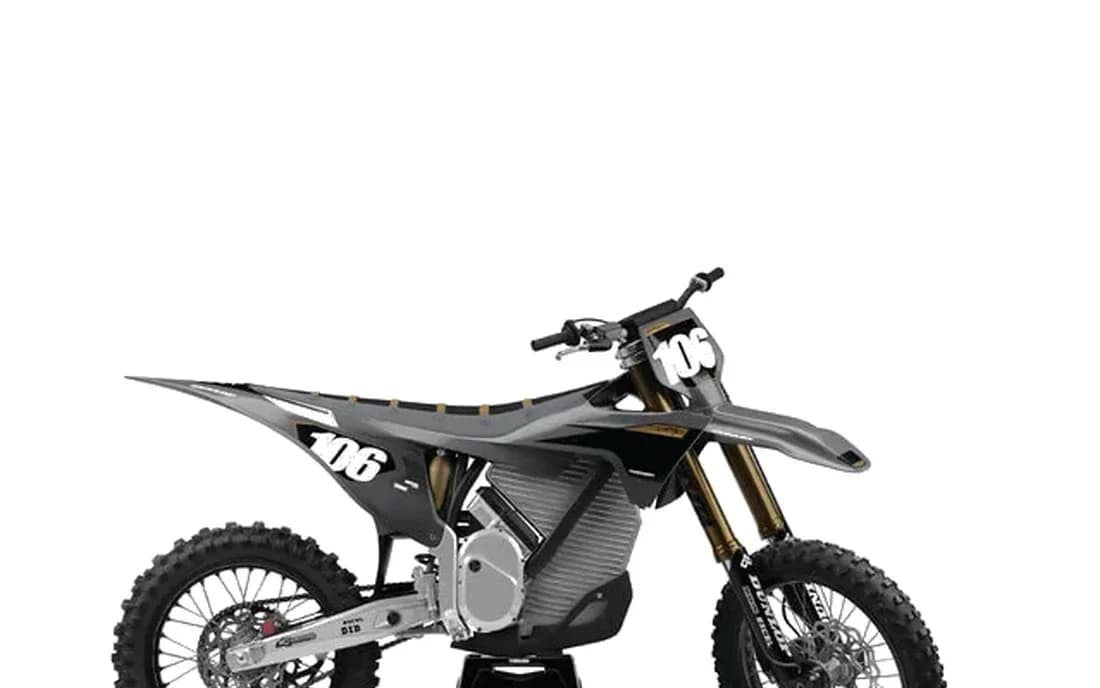
At the top of the market, electric dirt bikes stop being a budget alternative and start being the benchmark. Here are the five flagship models we carry.
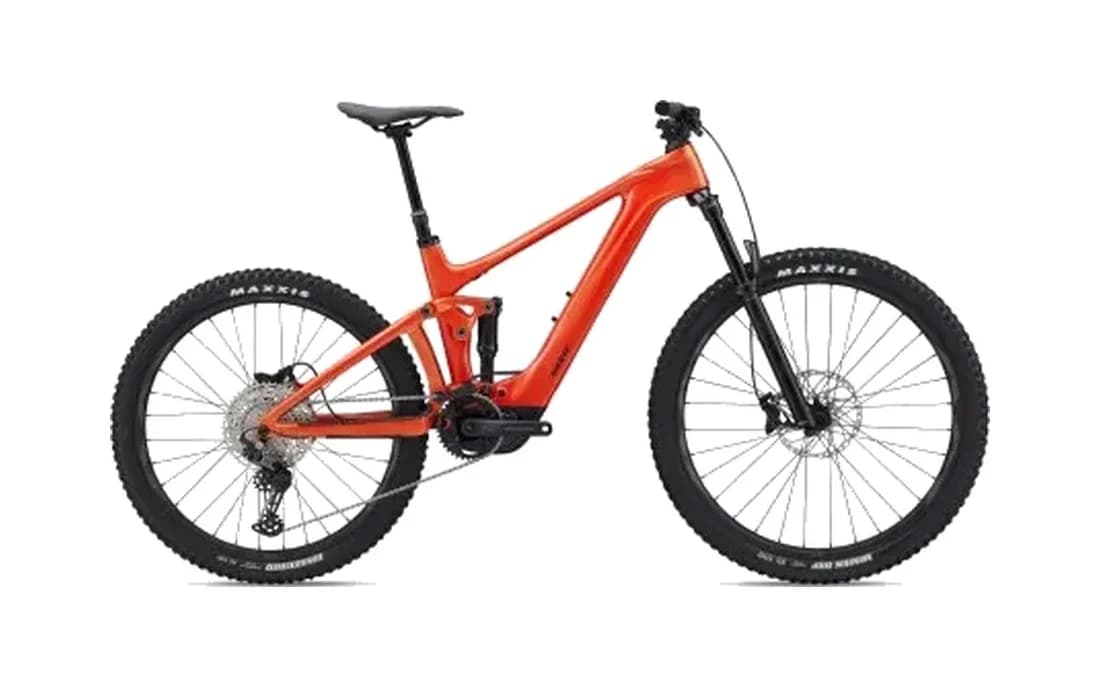
Full suspension, real trail capability and a name you've heard of — here's what $4,000 to $8,000 actually buys in an eMTB.
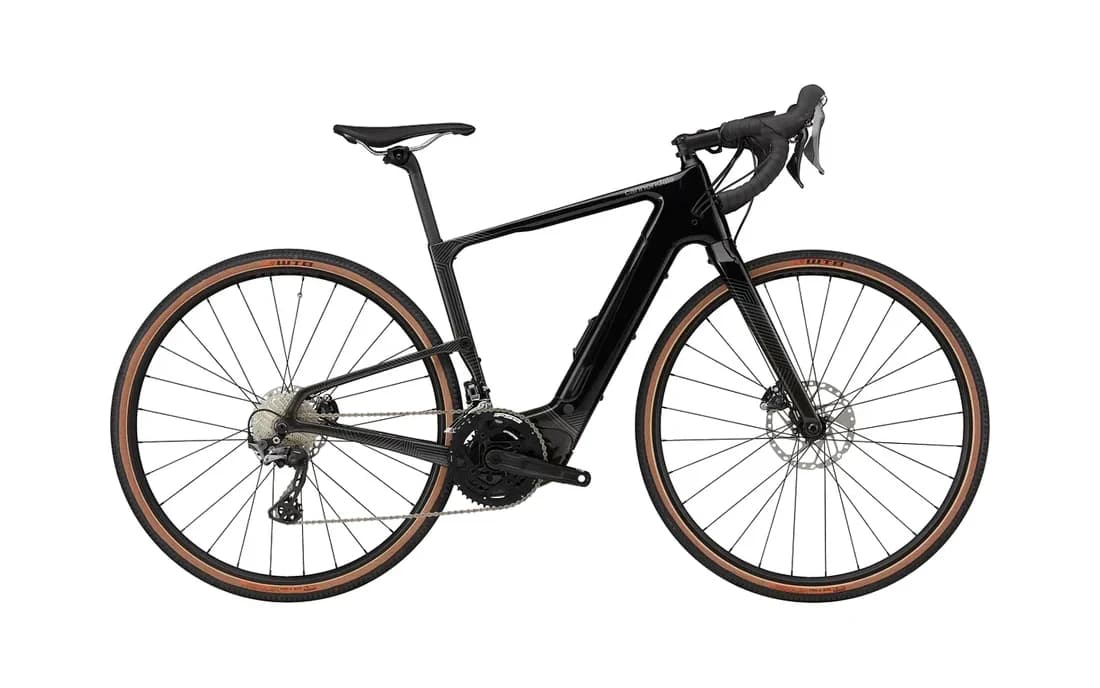
Cannondale, Trek and Giant all build electric road and gravel bikes under $6,000 that don't look or ride like a compromise. Here's the shortlist.
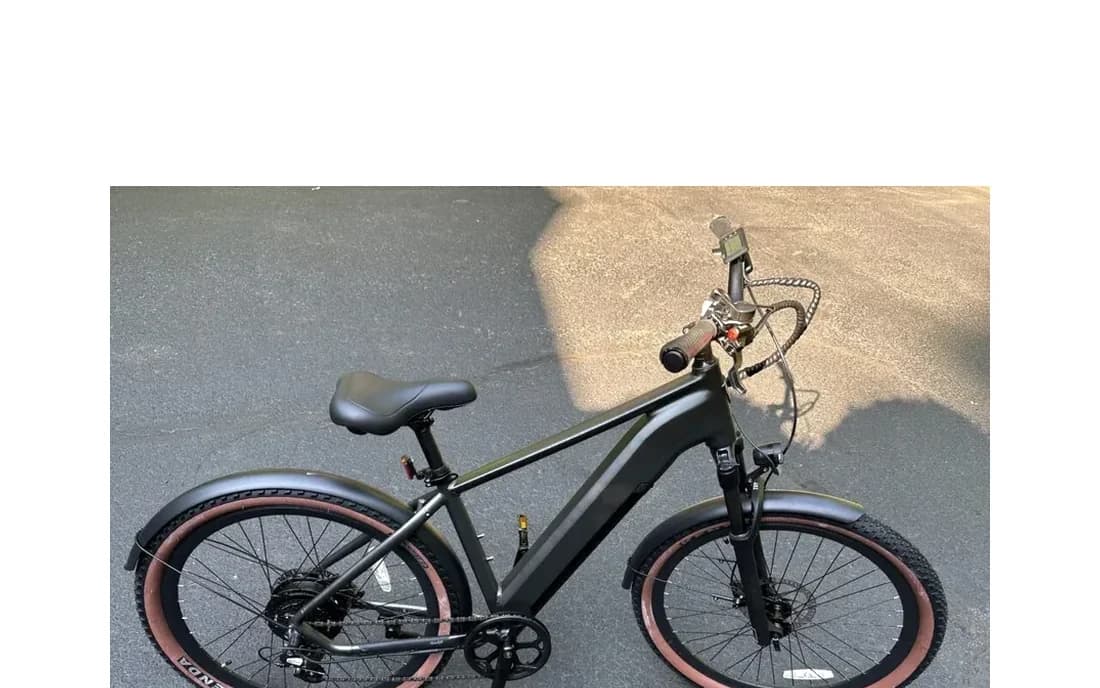
A daily-commute e-bike doesn't need to cost $3,000. Here's what Ride1Up, Aventon and the rest of our lineup offer for under $2,000.
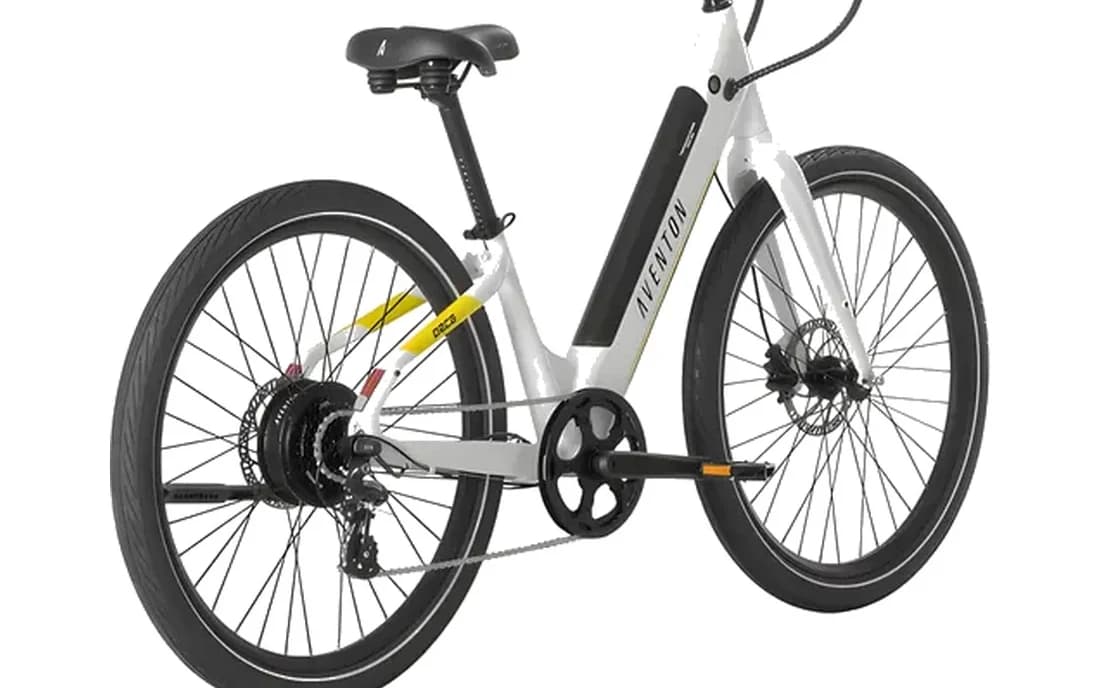
A lower top tube changes more than how a bike looks. Here's why step-through frames are worth considering, and which models in our catalog offer one.
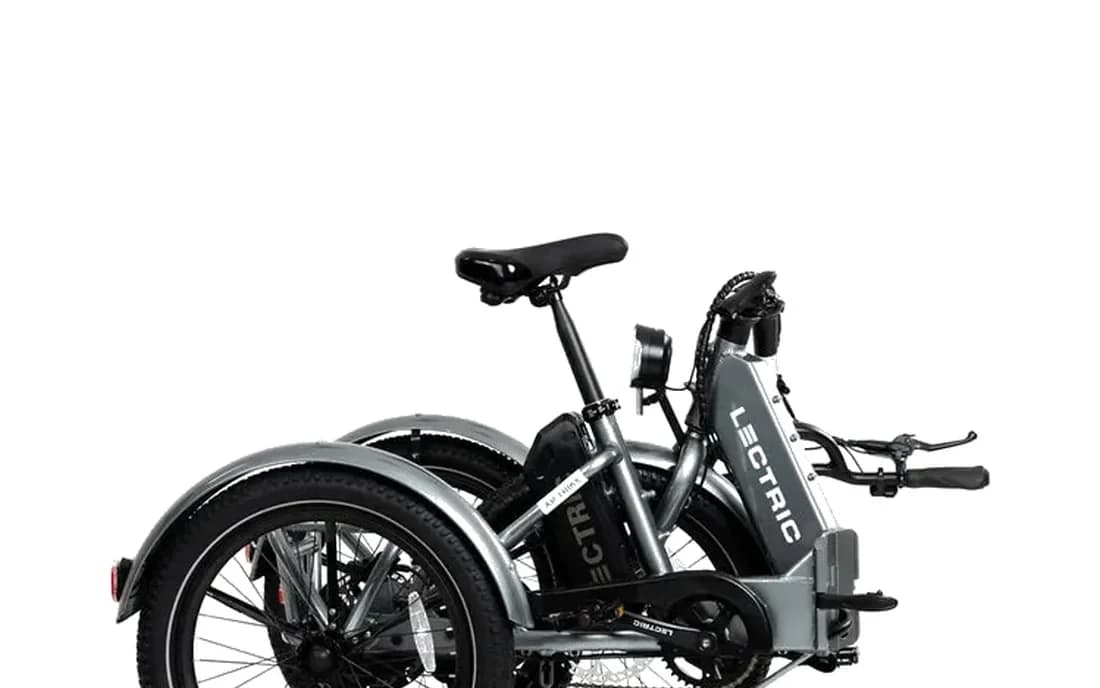
Sand, snow and loose gravel all favor a wider tire. Here are the fat-tire e-bikes in our catalog that stay under $2,000.
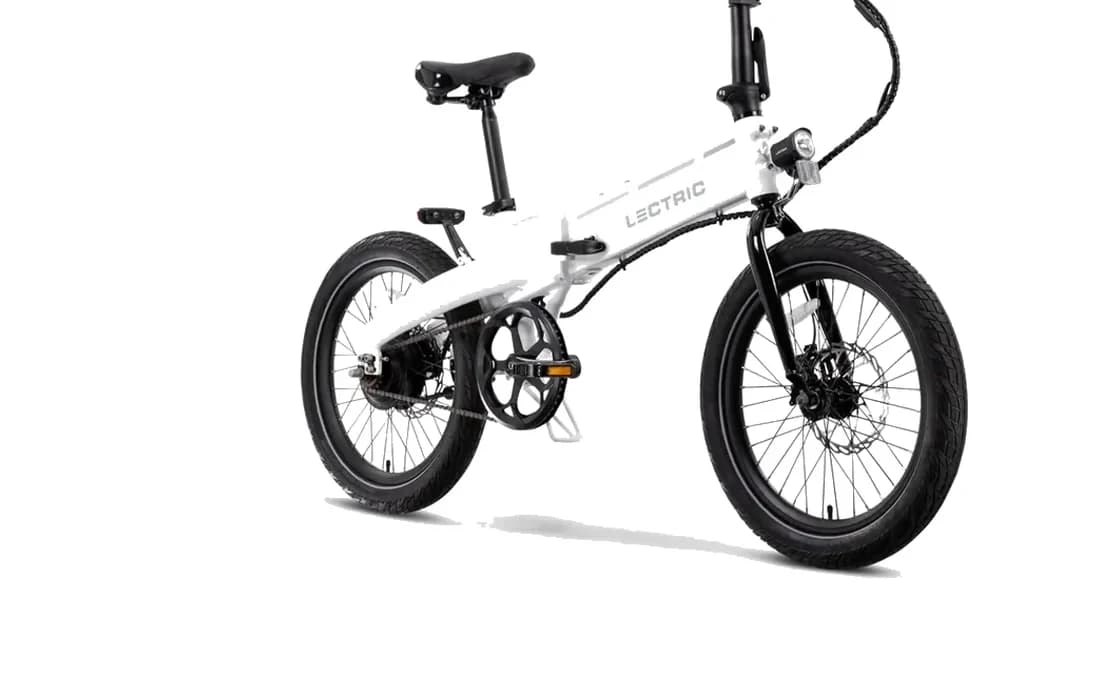
A folding e-bike that fits in a trunk or closet without a four-figure premium. Here are the models in our catalog priced under $1,500.
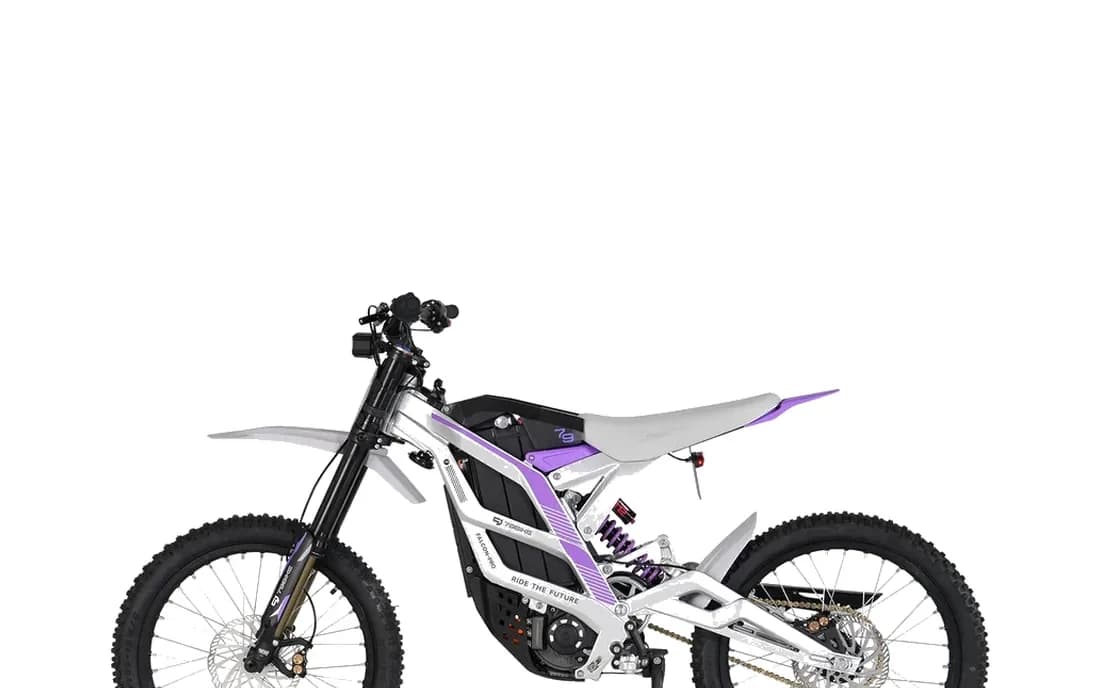
Sur-Ron and Talaria built the category, but they're not the only ones who build a genuinely good electric dirt bike. Here's what to consider instead.
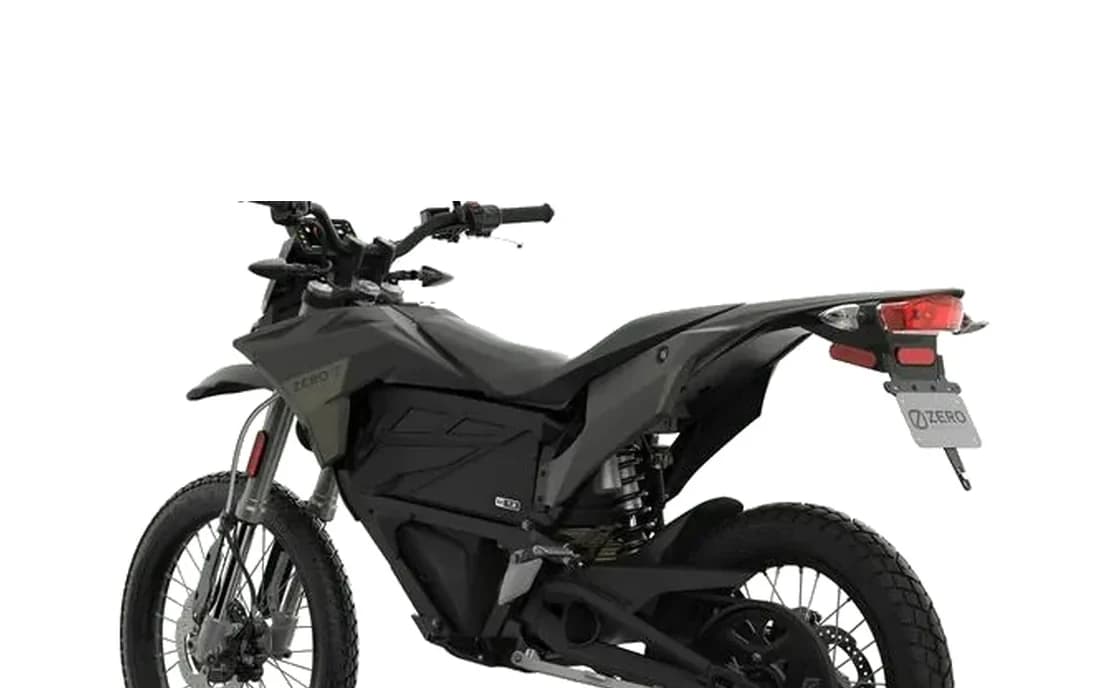
A 20% deposit holds any model in our catalog while you arrange the rest. Here's exactly how the math works, and when it's worth using.
From browsing the catalog to your bike shipping out — here's exactly how ordering works at Umbra Electric, start to finish.
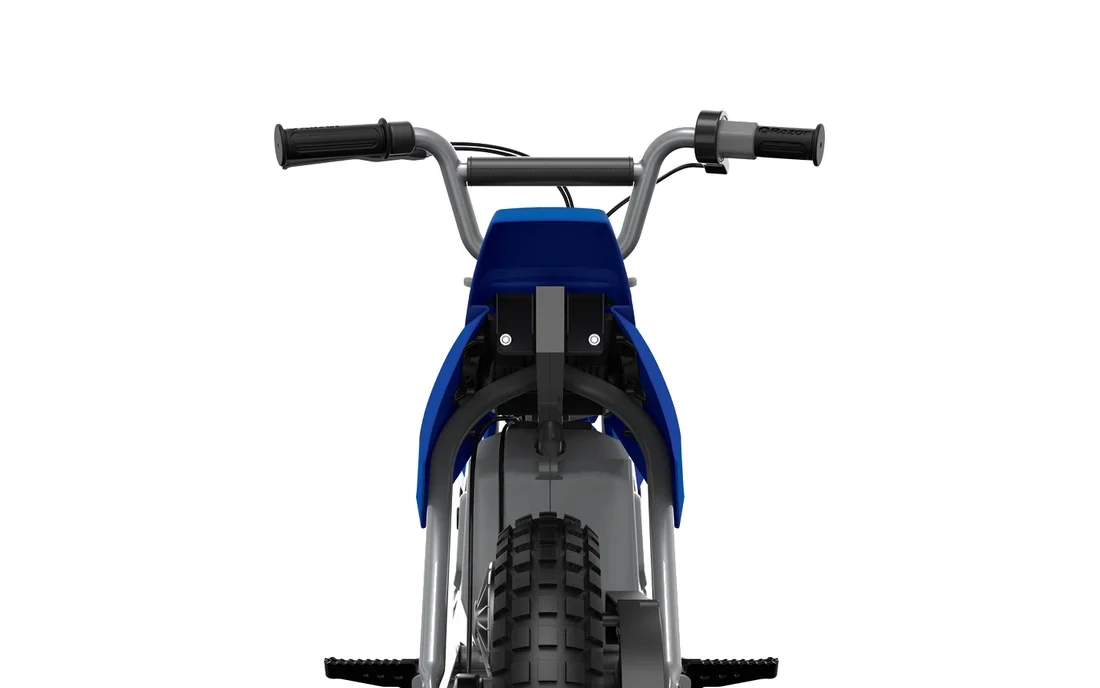
You don't need to spend four figures on a KTM to get a real electric dirt bike for a young rider. Here's what's available under $2,000.
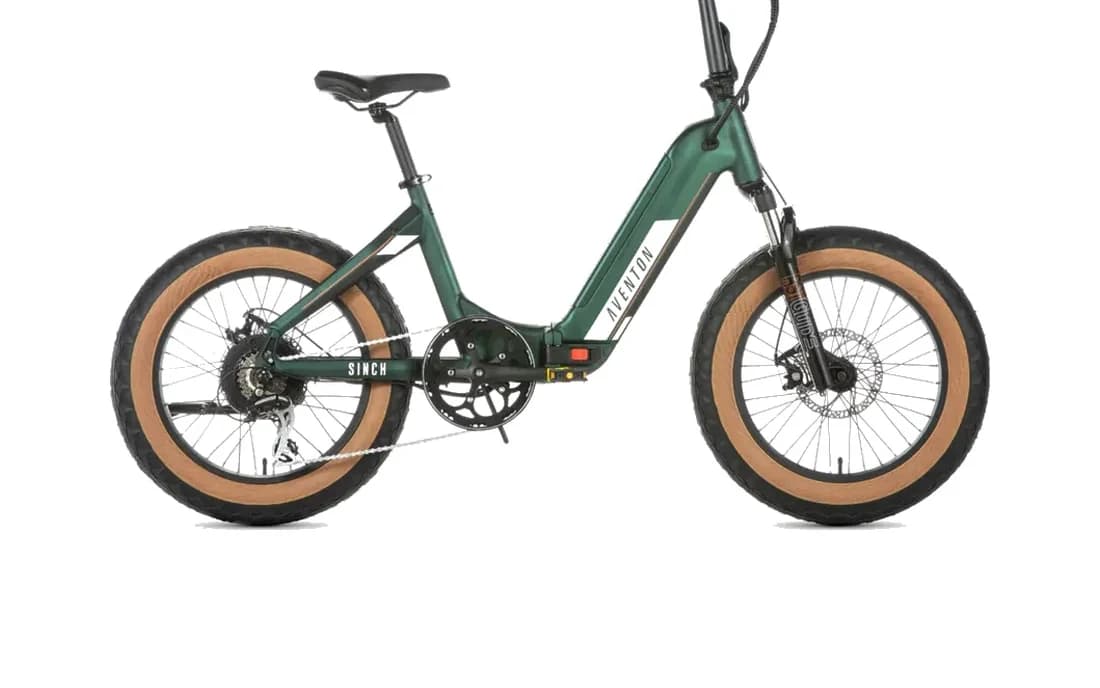
A pedal-style electric bike sized for a young rider, from a $799 folding starter to a genuine 24-inch trail bike. Here's the lineup under $1,500.
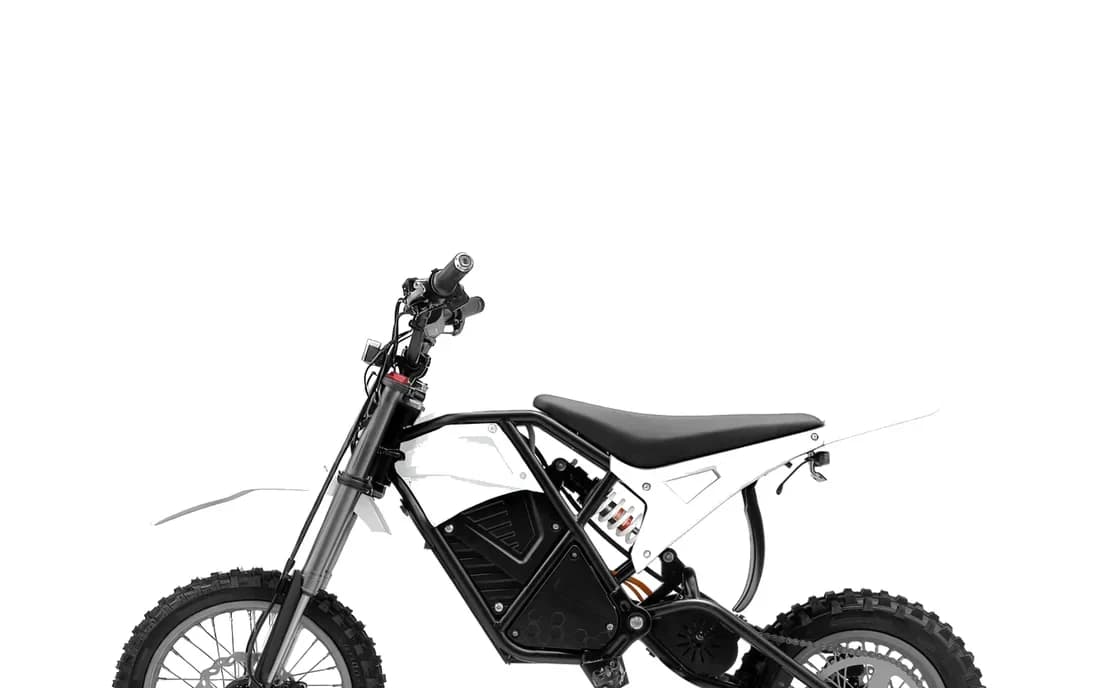
Near-silent operation and instant torque aren't just for the track. Here's why an electric dirt bike works well for property and trail-access use.
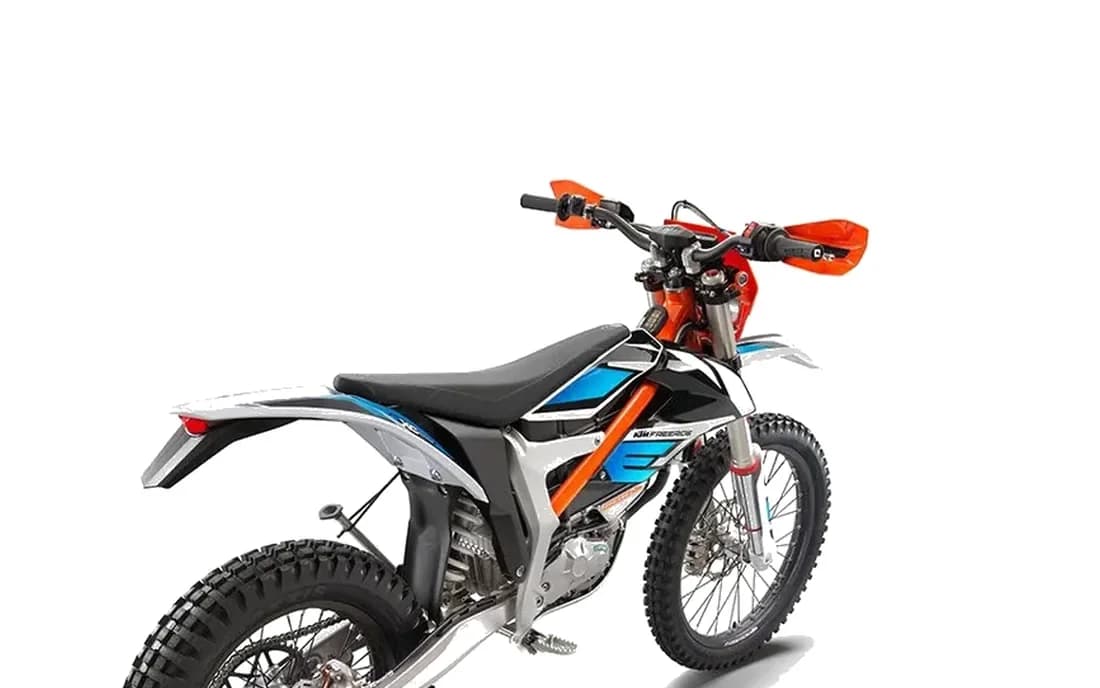
Two of the most capable electric dirt bikes we carry, from two very different companies. Here’s how the Stark Varg and KTM Freeride E-XC actually compare.
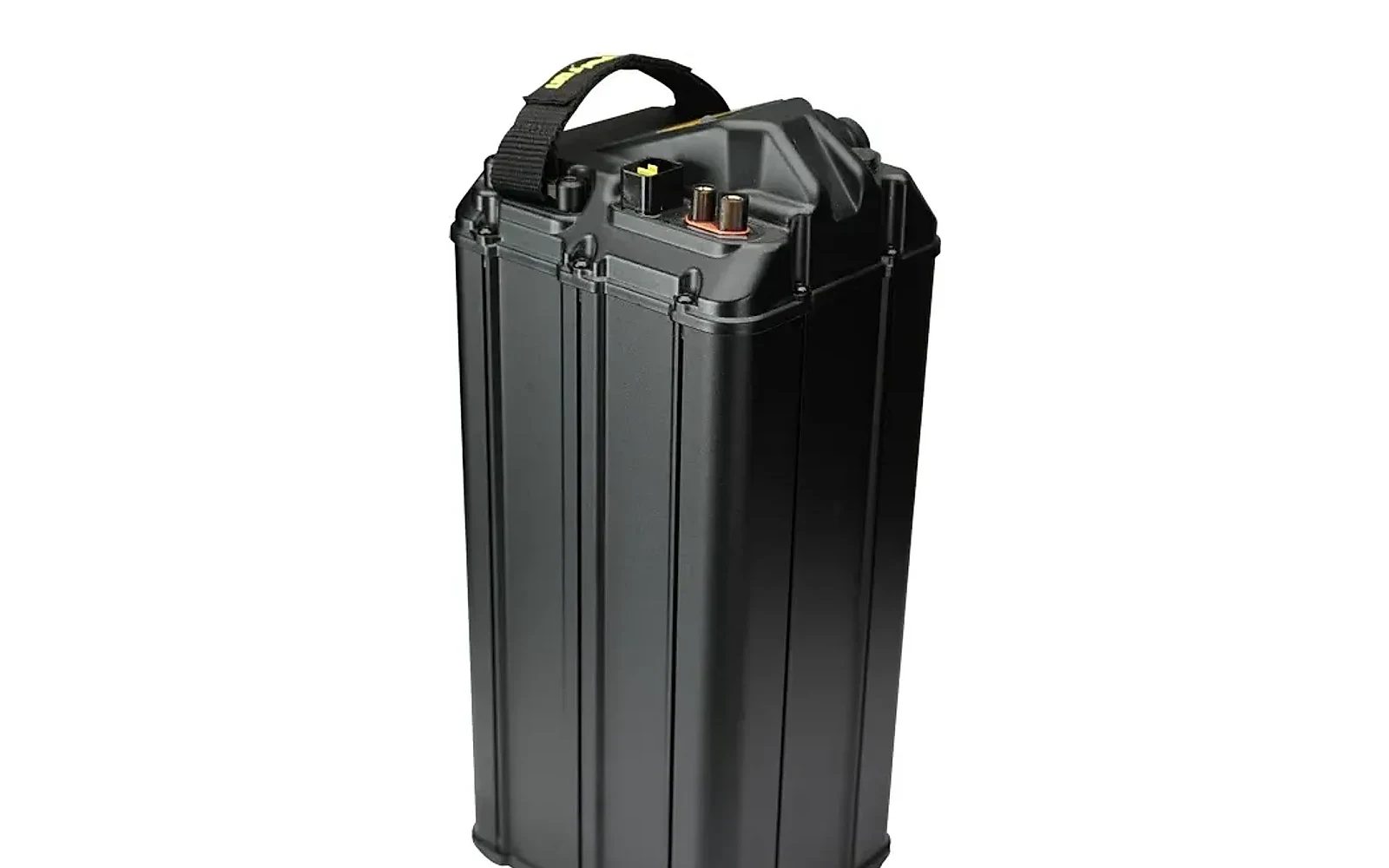
Most electric dirt bike listings skip the one question that matters most after year two: how much range will the battery actually have left?
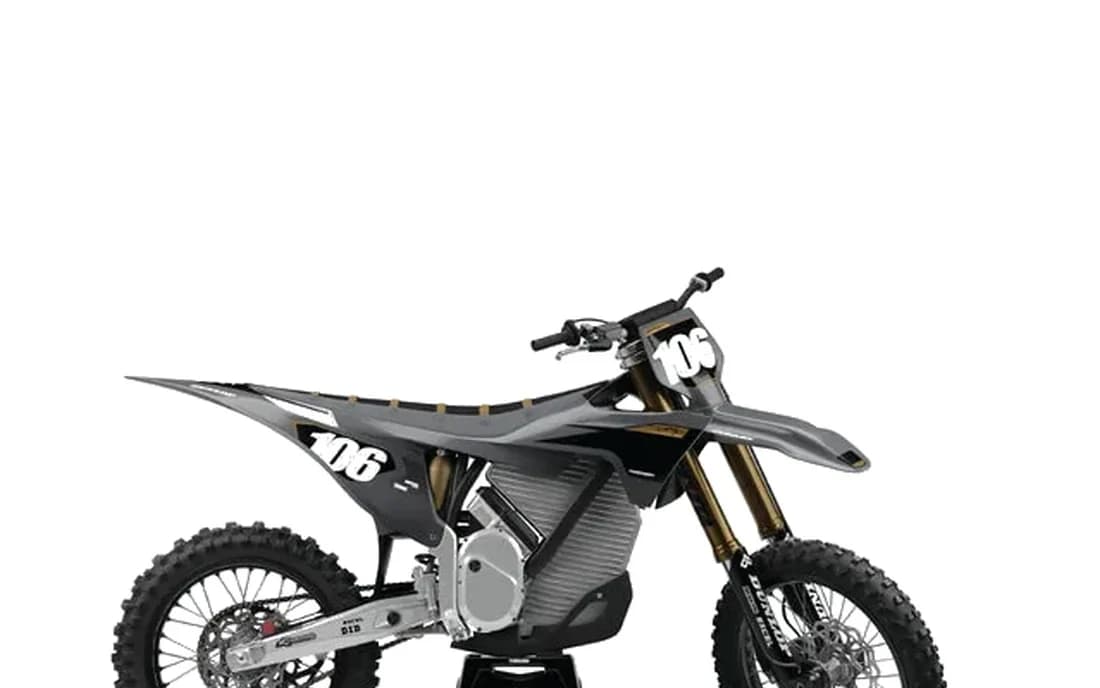
Electric dirt bikes are new enough that almost nobody talks about resale value honestly. Here's what actually drives it, based on the used market today.
Noise is the one spec nobody puts on a listing page, and for riders near trail closures or neighbors, it may matter more than horsepower.
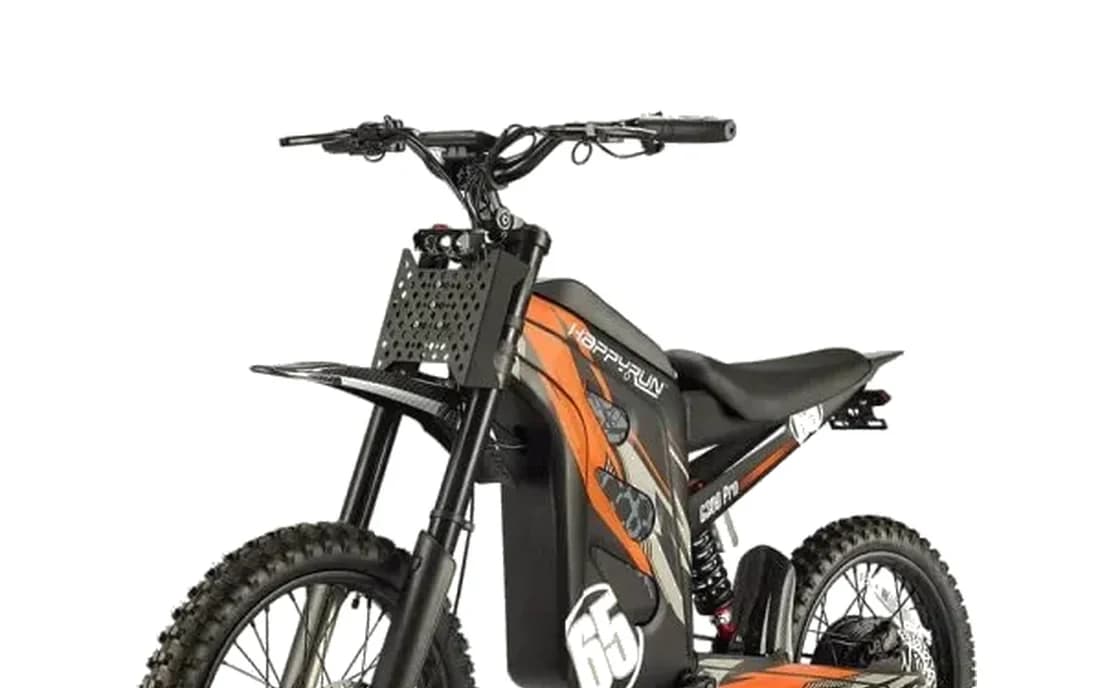
Rider weight capacity is rarely published clearly, and it affects range, performance and suspension setup more than most buyers realize.
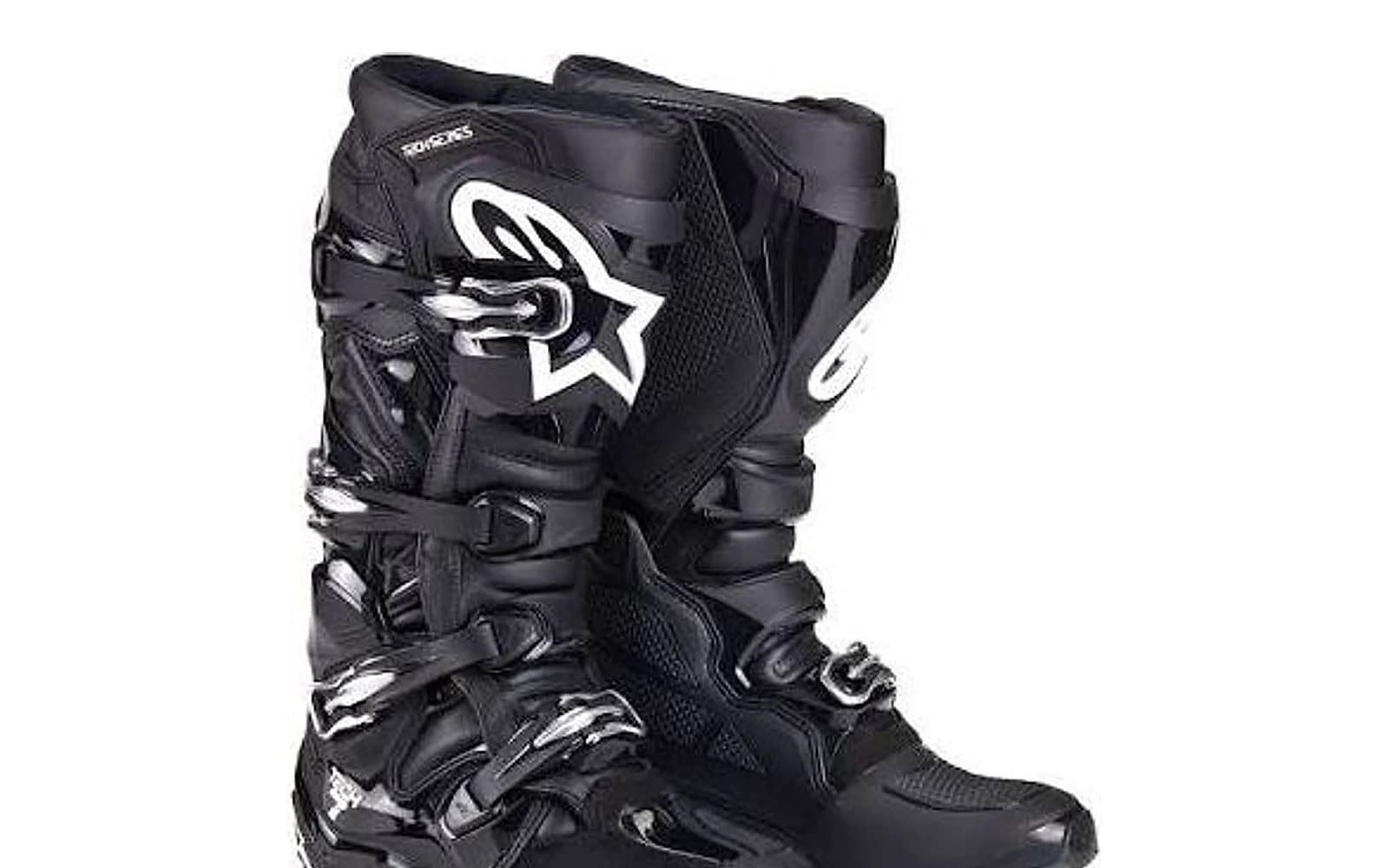
Most buying guides sell you the bike and stop there. Here's the protective gear that actually matters, and why boots are the piece riders skip first.
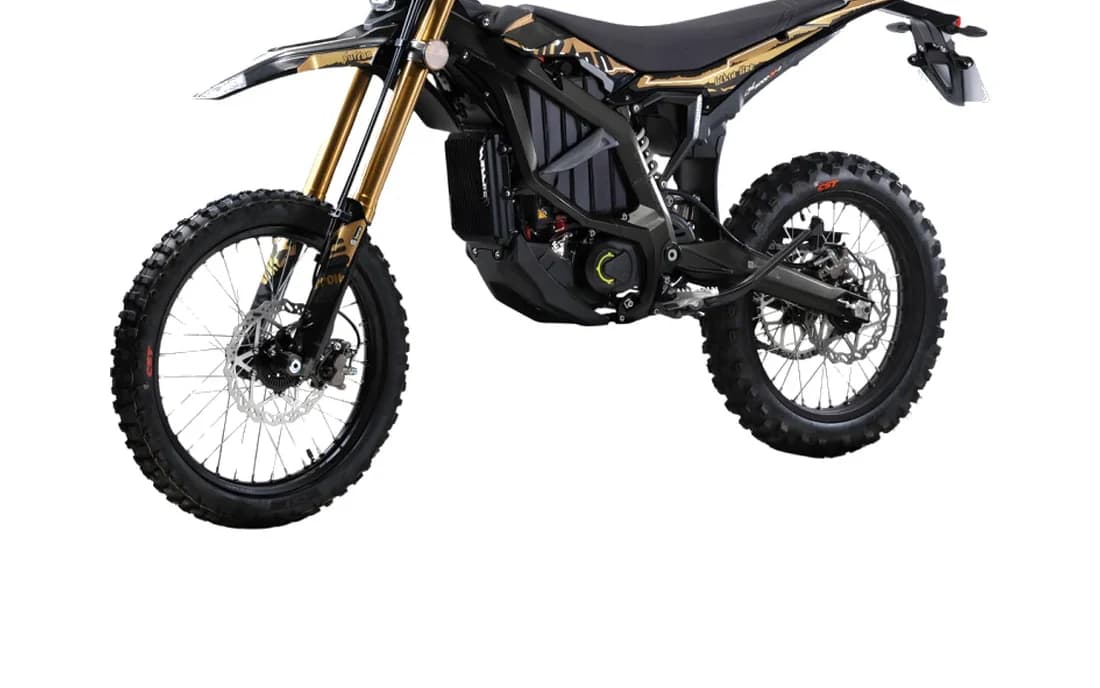
Most owners assume their homeowner's or auto policy covers an off-road electric bike. It usually doesn't, and the gap only shows up after something goes wrong.
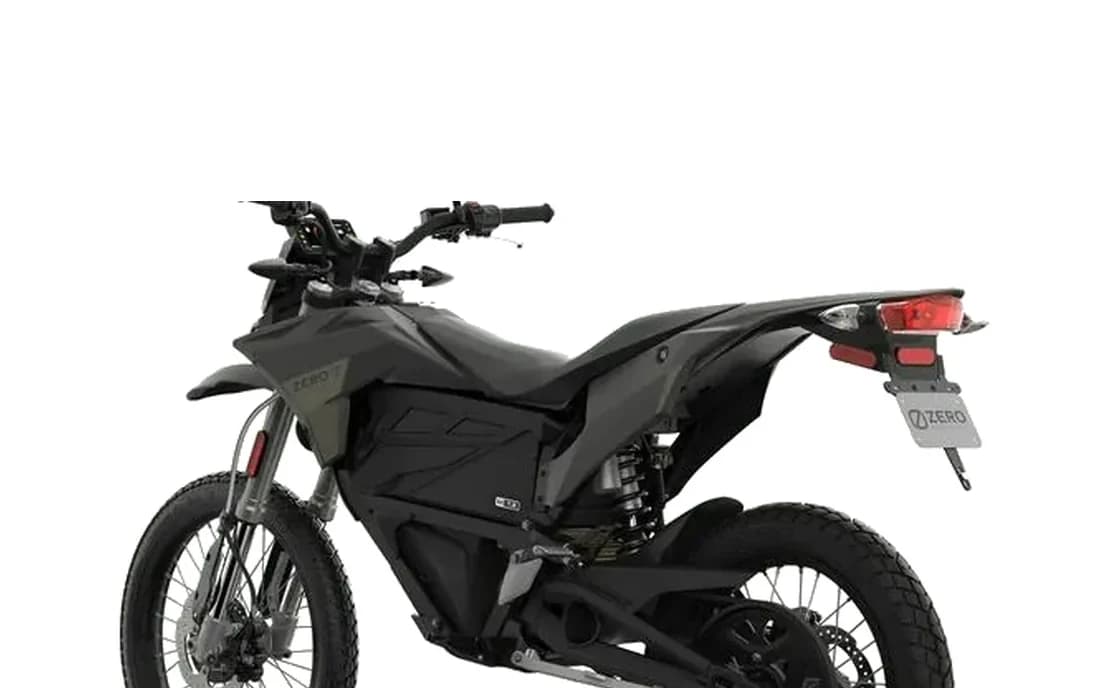
Not every electric two-wheeler in our catalog needs the off-highway disclaimer. Here's the real difference between a street-legal electric motorcycle and an OHV.
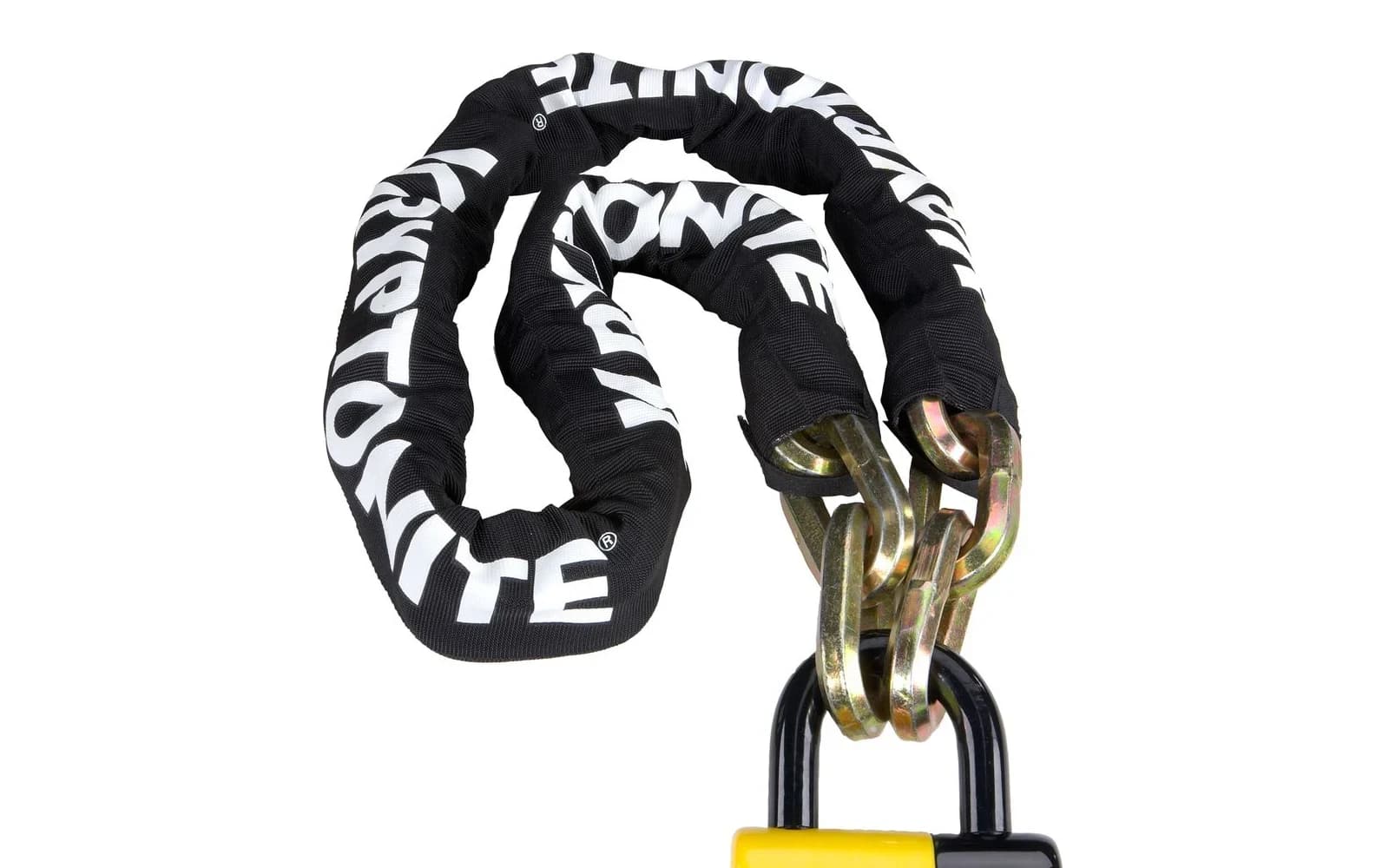
A $5,000+ electric dirt bike with a $20 cable lock is a solved problem for a thief with bolt cutters. Here's what actually slows theft down.
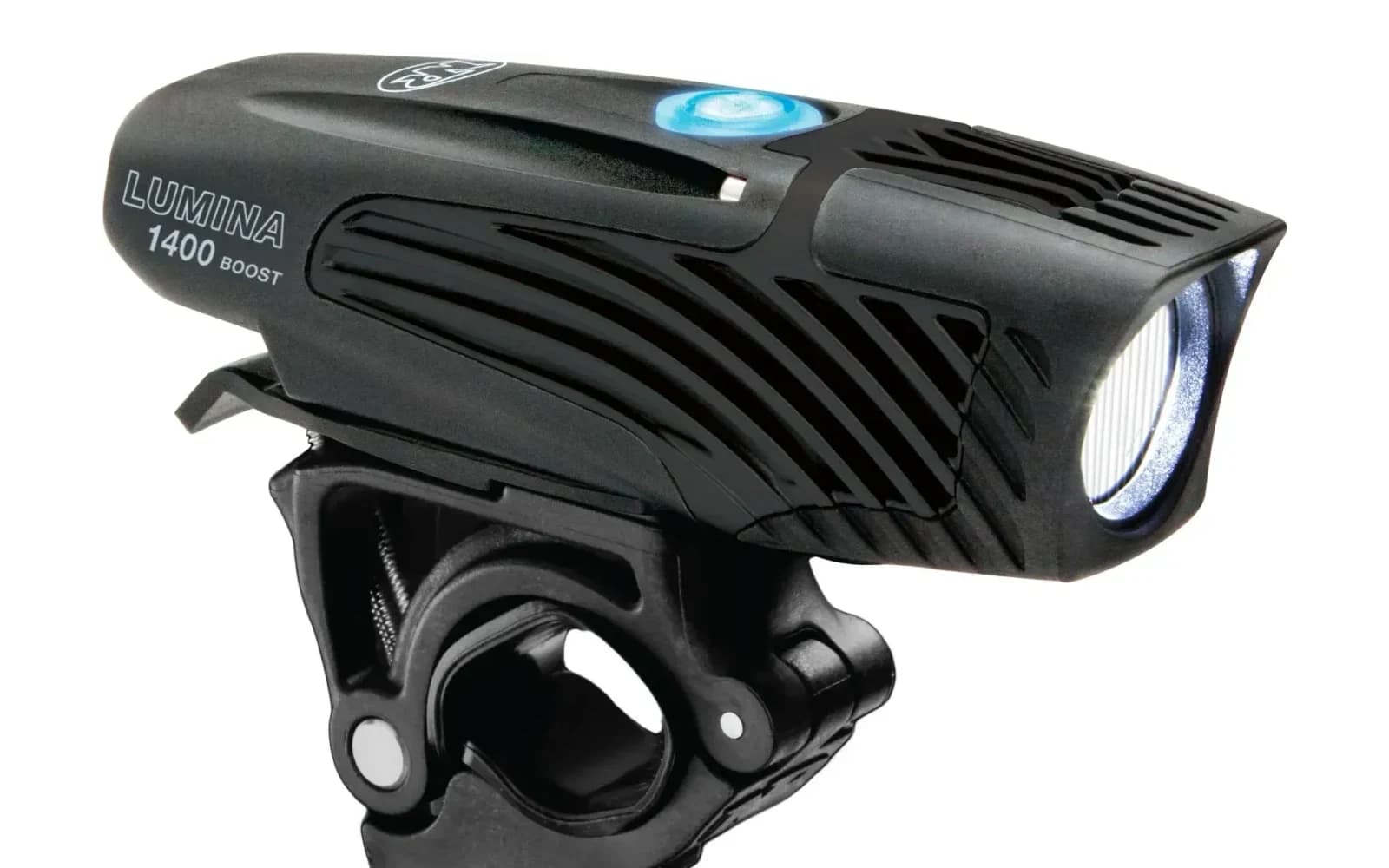
Stock headlights on most electric dirt bikes and e-bikes are built for visibility to others, not for actually seeing the trail. Here is what closes that gap.
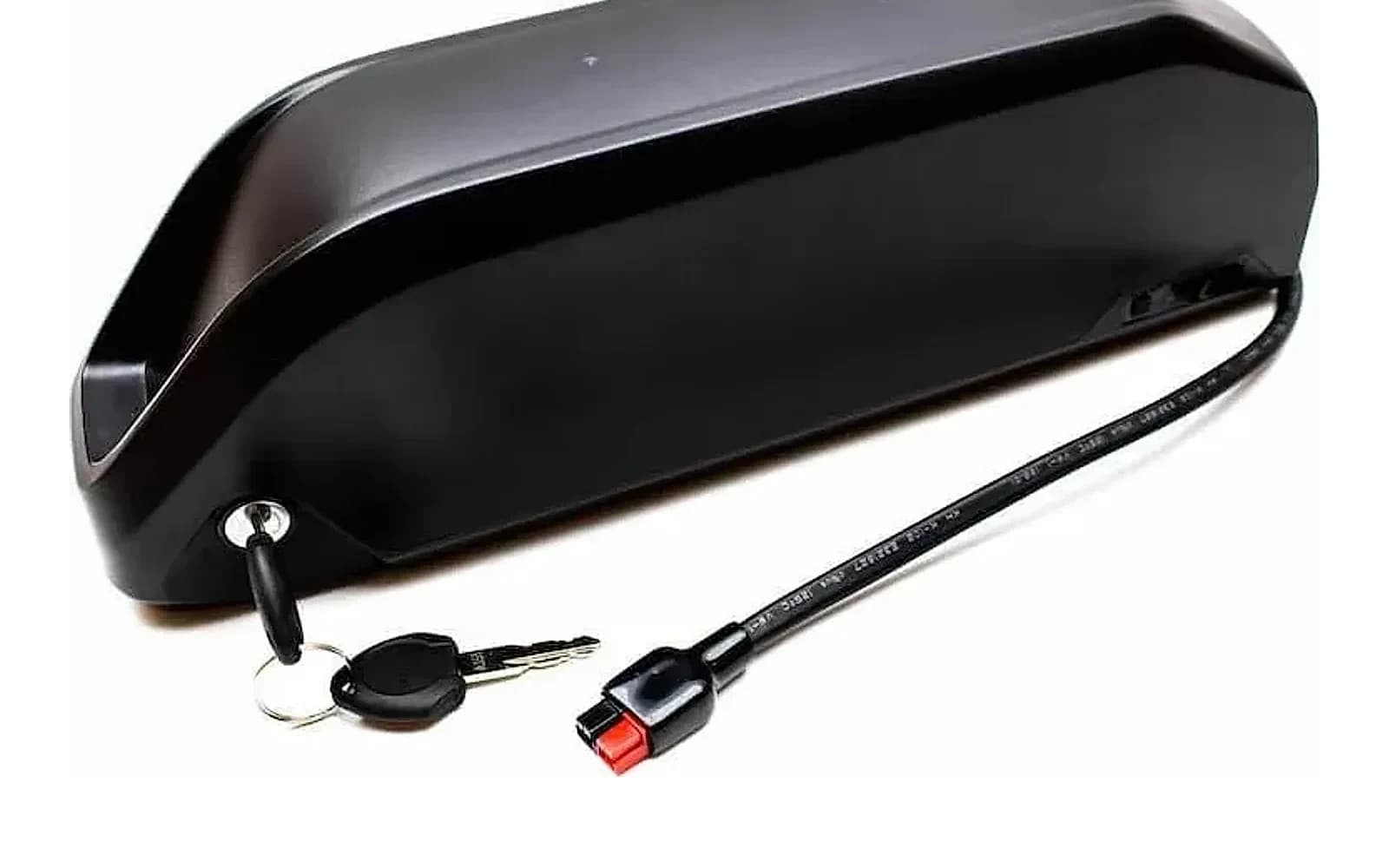
When a stock battery starts falling short, most riders don't know whether to repair, replace, or upgrade. Here's how to actually decide.
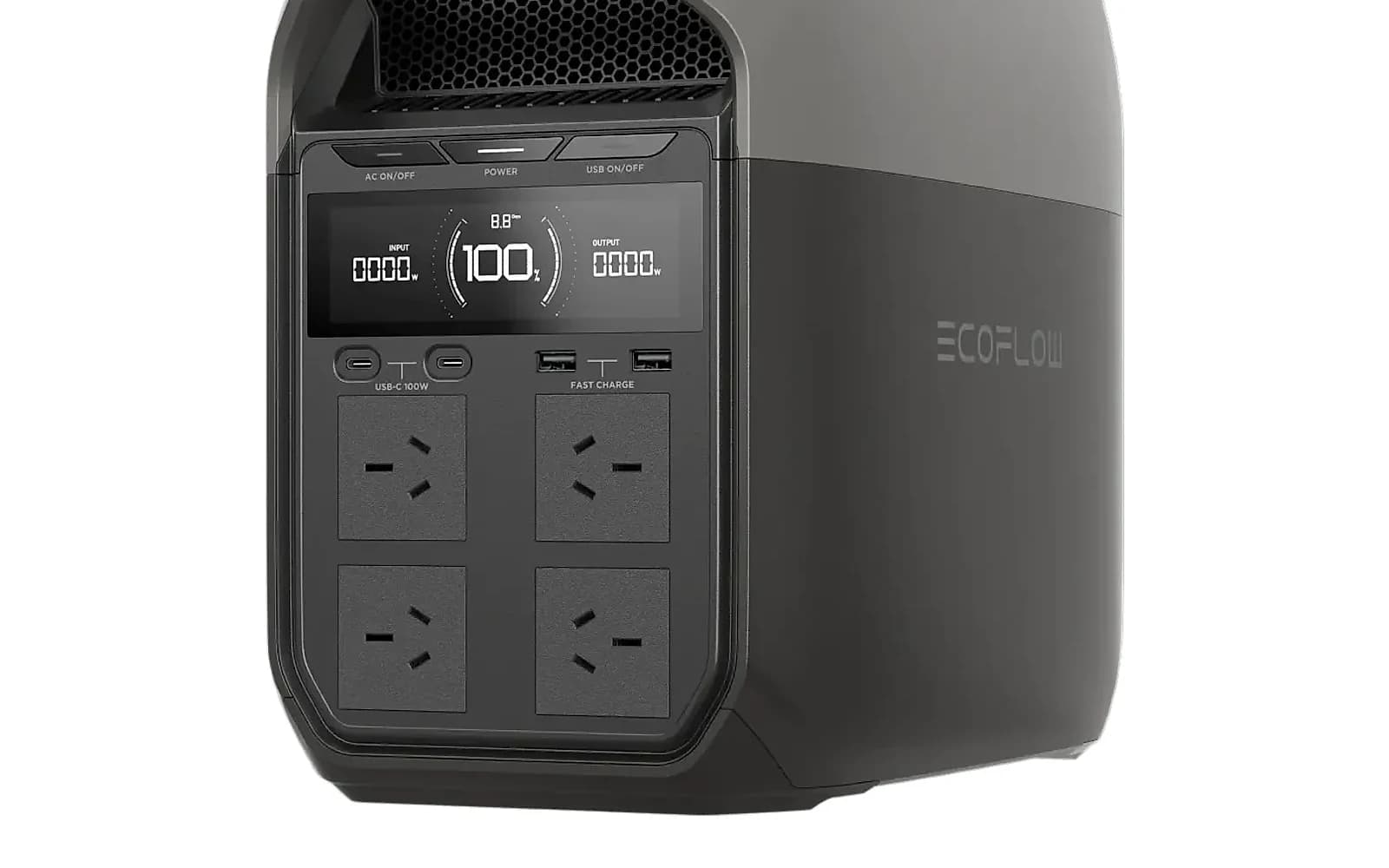
Remote trail riding and overlanding trips raise a question most electric bike guides never touch: how do you charge when there is no outlet for miles?
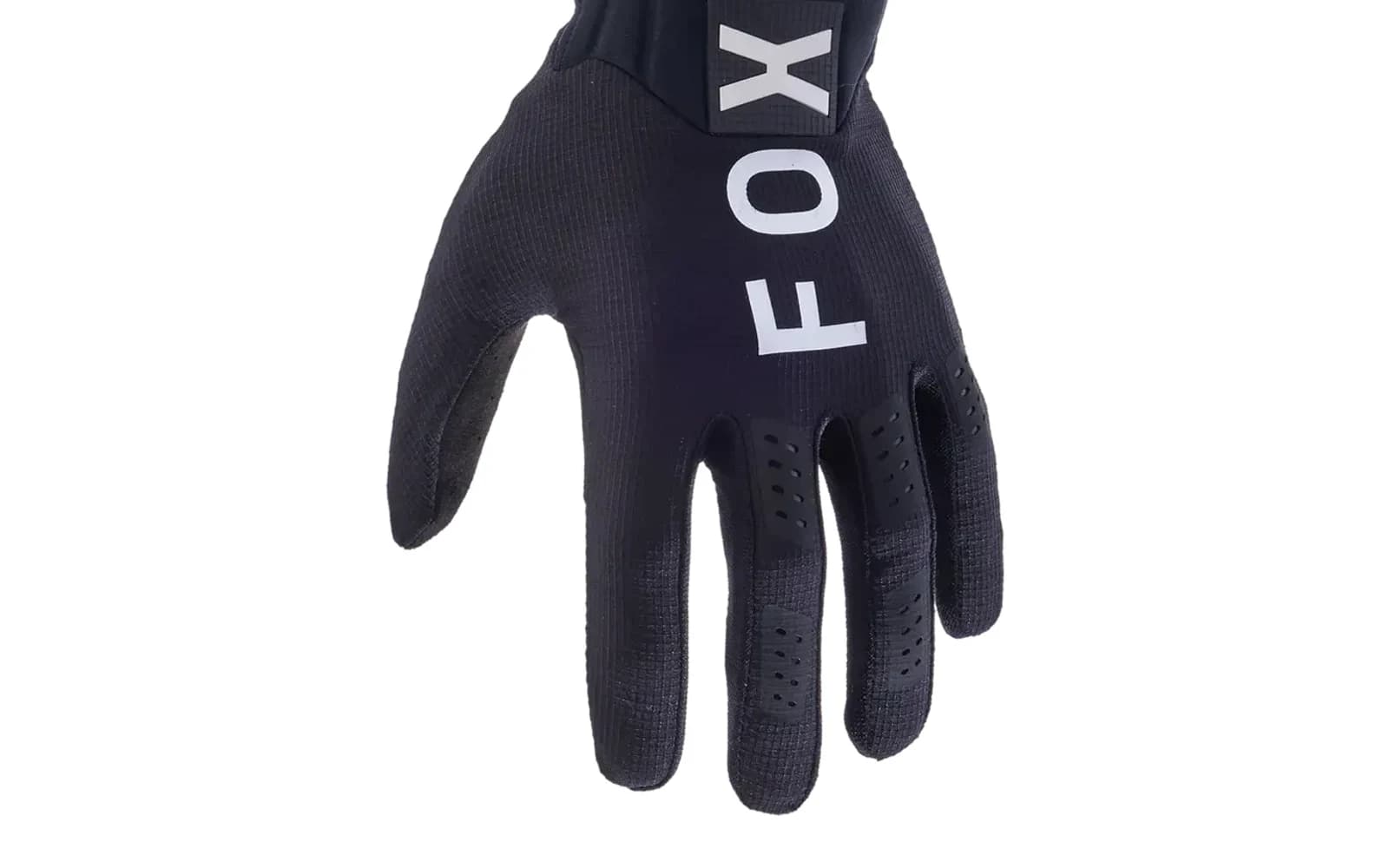
Most gear guides treat riding gear as one-size-fits-all year round. Temperature changes what actually protects you, especially at the hands.
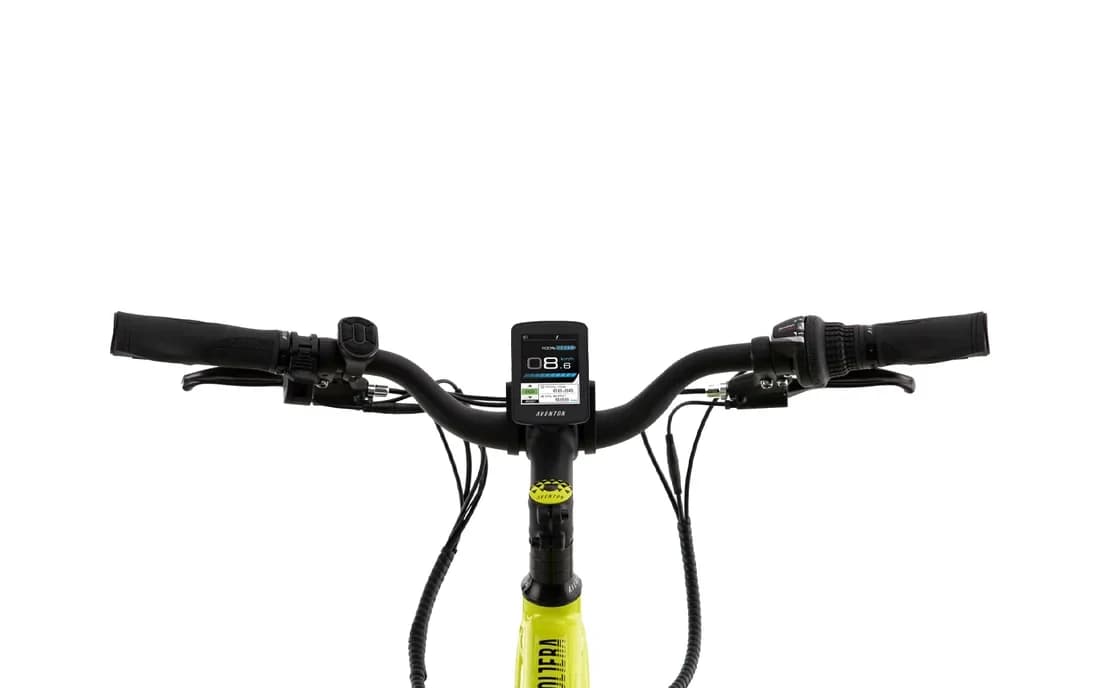
They're both electric and both bikes, but that's where the similarity ends. Here's how to actually tell which one answers your real need.
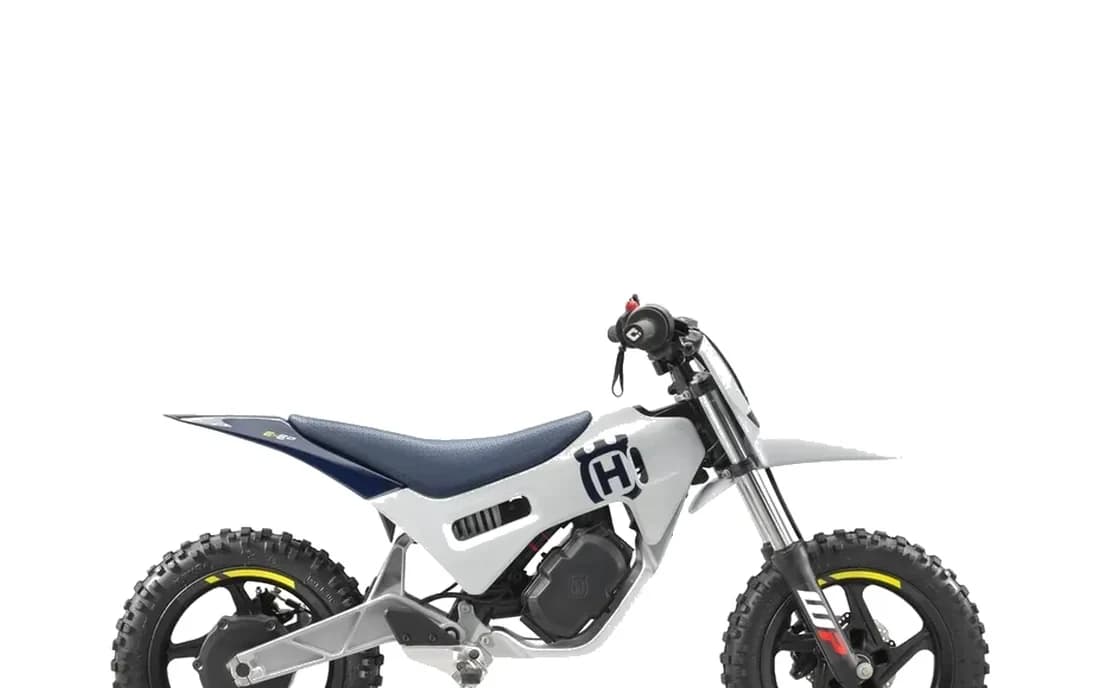
Most kids' electric dirt bikes get outgrown in a year or two. Crossover models solve the replacement cycle most buying guides never mention.

GPS units are standard on mountain bikes but rare on electric dirt bikes. Here is what they actually add — and when a phone app is good enough instead.
Model-year refreshes often get marketed as bigger changes than they are. Here is an honest look at what's genuinely new for 2026, and what's just a repaint.
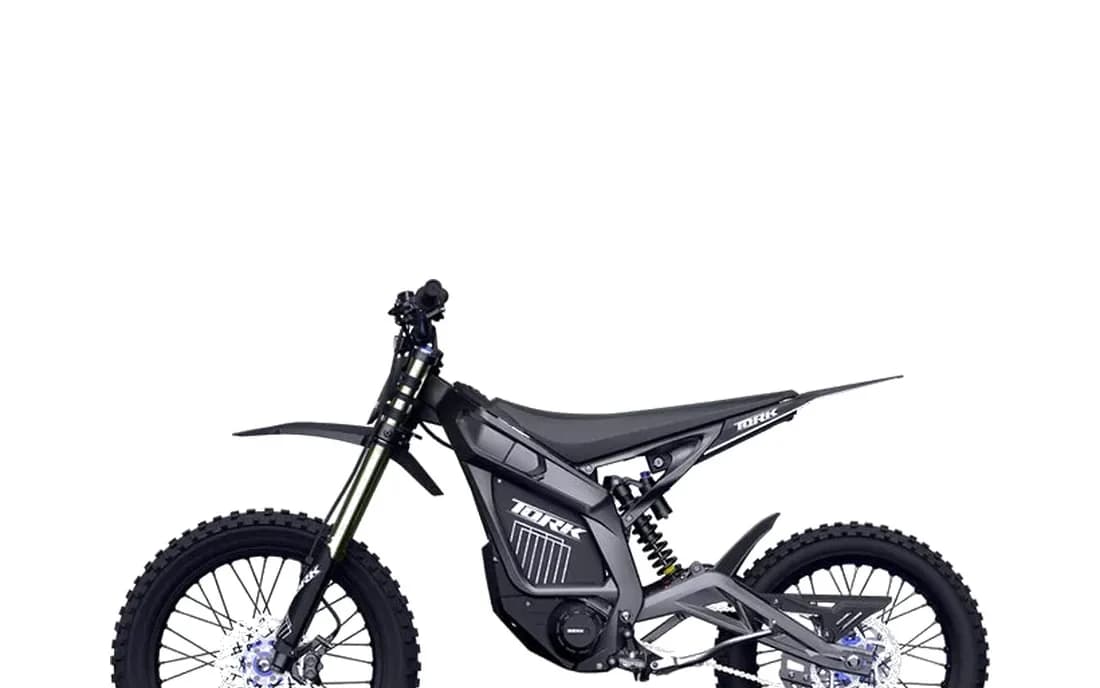
Voltage numbers get thrown around as a performance headline, but most buyers never get a plain answer to what higher voltage actually changes.
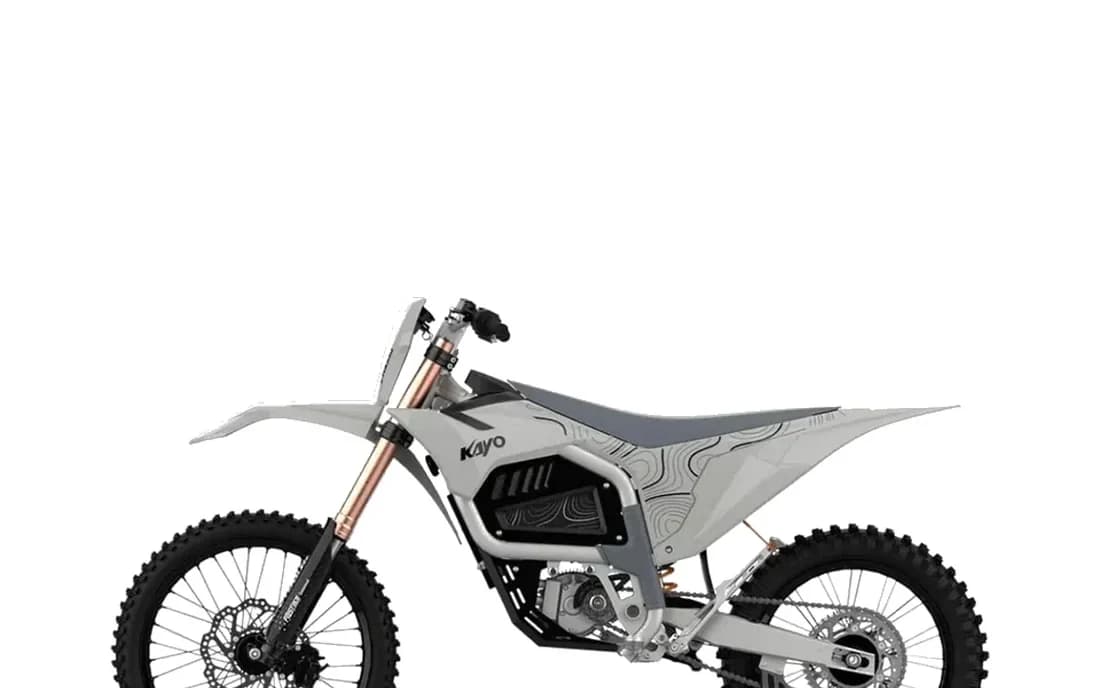
Max rider weight is only half the story — suspension setup is the part that actually determines how a bike feels under you.
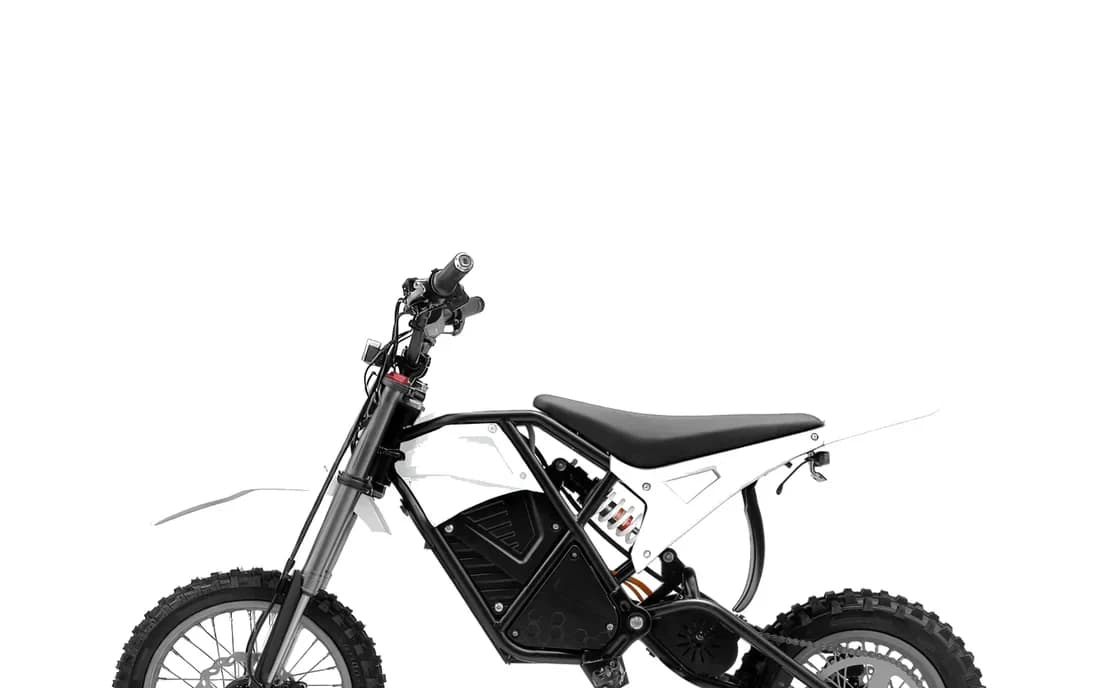
Not every budget-tier electric dirt bike is built the same way. Here's what actually distinguishes a solid entry-level model from a poorly built one.
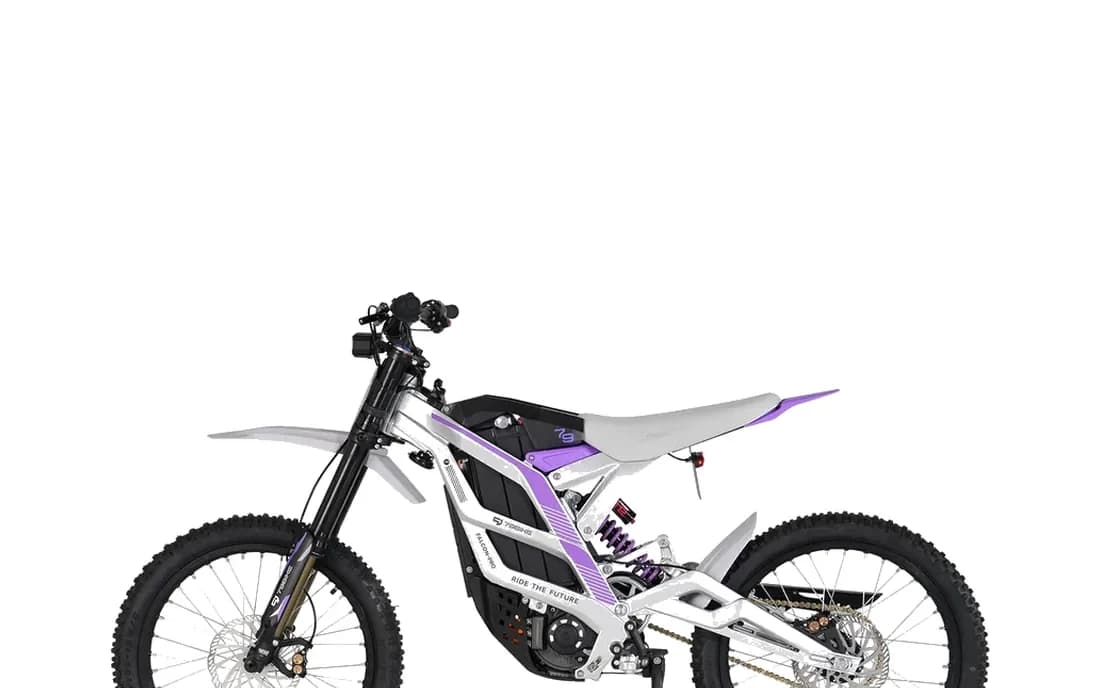
Value-focused brands market themselves as Sur-Ron alternatives at lower prices. Here is what you actually gain and lose choosing one.