Why Electric Dirt Bikes Are Quieter — and Why That Matters
2026-10-23 · 6 min read
Noise is the one spec nobody puts on a listing page, and for riders near trail closures or neighbors, it may matter more than horsepower.
The spec that never makes the listing
Scroll through most electric dirt bike product pages and you'll find motor power, top speed, range and price — almost never a decibel rating or even a qualitative noise description. That's a gap worth filling, because for a huge number of buyers, noise is the actual reason they're shopping electric in the first place.
Why near-silent riding actually matters
A gas dirt bike running at full throttle easily clears 95-100 decibels at the rider's ear — loud enough to draw attention from a quarter mile away and fast-track a noise complaint in any neighborhood with houses nearby. Electric dirt bikes replace that with motor whir and chain noise, typically in the 60-75 decibel range depending on speed and terrain — closer to a vacuum cleaner than a chainsaw. That difference is what lets riders use land near residential areas, ride early mornings without waking neighbors, and avoid the trail closures that noise complaints have caused at public OHV areas around the country.
The Talaria Sting R MX4 and the quiet-performance tradeoff
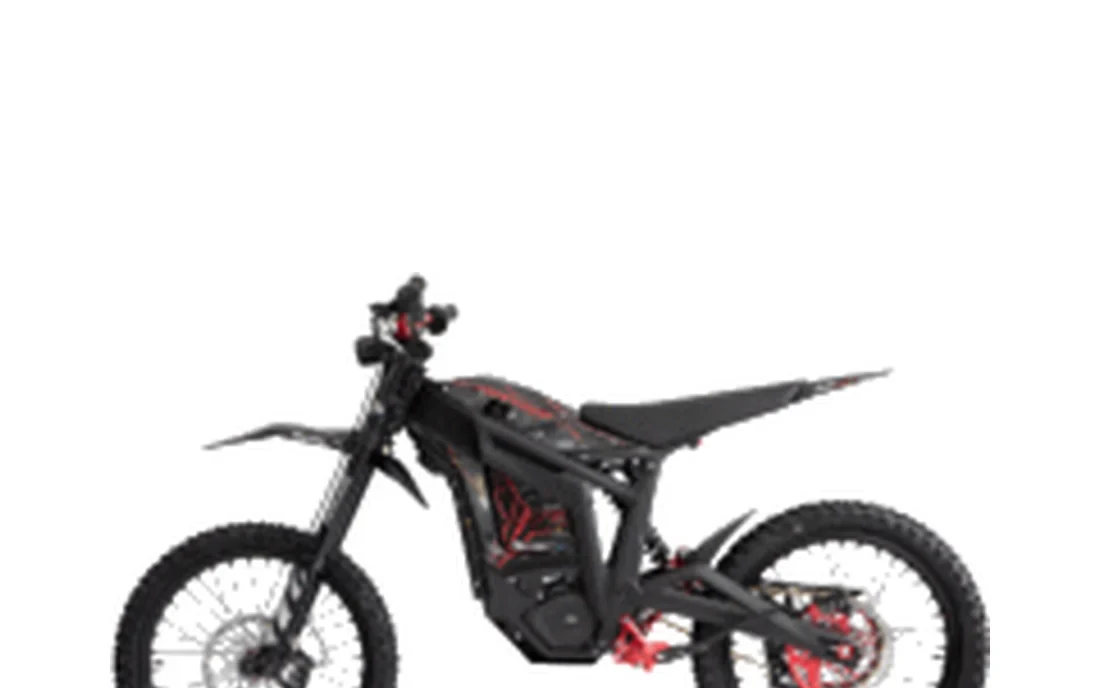
A common assumption is that quiet means underpowered — the MX4's belt-drive, near-silent operation at a genuinely competitive power output is a direct answer to that. Riders moving from gas machines are often most surprised not by the lack of exhaust note, but by how much chain/belt and tire noise becomes the dominant sound once the engine noise is gone.
Where it still isn't silent
Be realistic: "near-silent" isn't "silent." At speed on hardpack or gravel, tire and chain noise is still audible from a reasonable distance, and a rider standing on the pegs through rough terrain generates more mechanical noise than one cruising a smooth trail. Electric removes the dominant noise source, not all of it.
Off-road use, not street use
Every model here is an off-highway vehicle built for private land and trail use, not public roads. Riding street-legally means sorting out registration, insurance and licensing in your state, so plan on a helmet and full protective gear and check local OHV rules before you head out.
Keep reading
Next up: How Much Weight Can an Electric Dirt Bike Actually Carry?. Or browse the full collection.