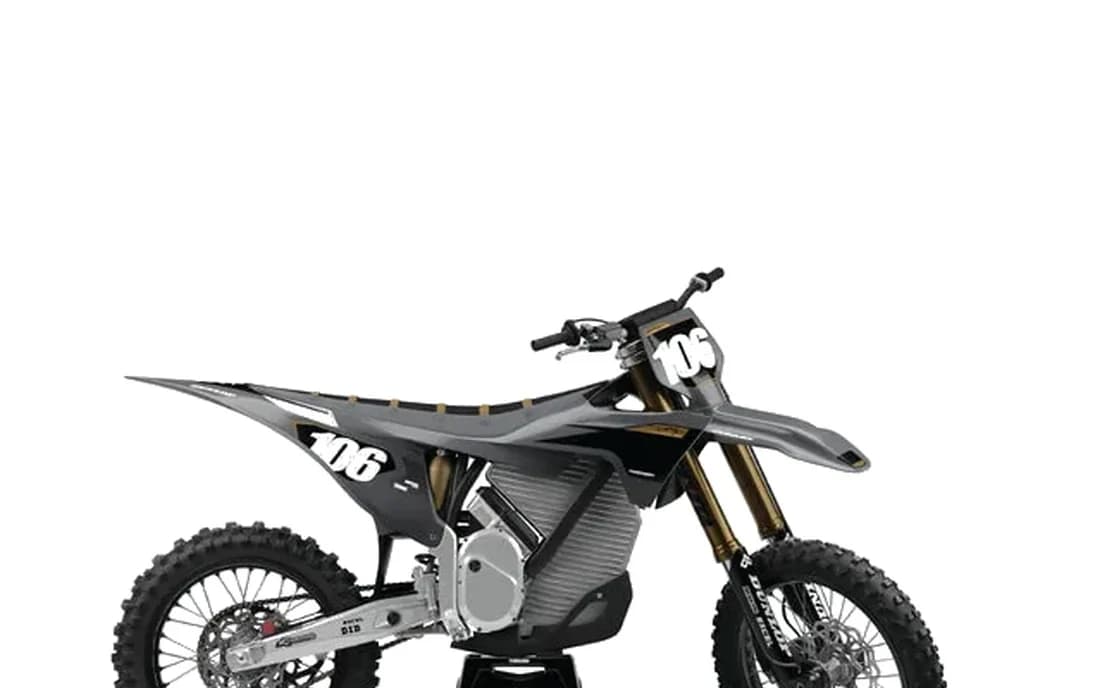
Best Electric Dirt Bike Brands, Compared
2026-09-24 · 3 min read
Six electric dirt bike brands compared on price, positioning and philosophy — Sur-Ron, Talaria, Segway, Stark, KTM and Zero — to help you choose the right one.
Six brands, six different philosophies
There's no single best electric dirt bike brand — there's the brand whose philosophy matches how and where you ride. Sur-Ron's Light Bee X ($4,400) is the original lightweight e-moto, the platform every other brand's aftermarket gets measured against. Talaria's Sting R MX4 ($5,200) lands exactly at our category median and represents serious power-per-dollar. Segway's Xaber 300 ($5,299) is the newer challenger brand built specifically to compete with Talaria and Sur-Ron. At the flagship end, Stark's Varg ($12,900) redefines what's possible with fully adjustable 10 to 80 hp power, KTM's Freeride E-XC ($11,299) brings decades of dirt bike pedigree and a swappable battery, and Zero's XE ($6,495) carries genuine street-motorcycle engineering into the dirt bike category.
Entry-to-mid: Sur-Ron, Talaria and Segway
If you're comparing brands under $5,500, the differences come down to ecosystem and heritage rather than raw capability. Sur-Ron's Light Bee X wins on aftermarket depth — years of parts, tuning and mod support built up around the platform that newer brands can't yet match. Talaria's Sting R MX4 sits right at our $5,200 category median and has built its reputation on power-per-dollar within a full model lineup you can grow into. Segway's Xaber 300, priced within $100 of the Sting R MX4, is the newest name of the three, backed by a brand with more manufacturing resources than most boutique e-moto makers — a genuine alternative if you want Talaria-style performance from a bigger company.
Flagship tier: Stark, KTM and Zero
Above $10,000, the three brands split by philosophy rather than price. Stark's Varg is built for motocross-track riders who want adjustable power and genuine competition capability. KTM's Freeride E-XC leans on the brand's dirt-bike pedigree and a swappable battery that lets you keep riding without waiting on a recharge — a real advantage for long trail days. Zero's XE takes a different route entirely, bringing street-motorcycle engineering from a brand whose core business is road-going electric motorcycles, not dirt bikes — worth weighing if you value that manufacturing background over e-moto specialist credentials.
What actually separates these brands
Beyond price, the real differentiators are aftermarket support (Sur-Ron's biggest advantage), brand newness and backing (Segway versus the established names), model-line depth to grow into (Talaria and KTM both offer that), and manufacturing pedigree (Zero's street-bike background versus the e-moto specialists). None of these bikes are street-legal without appropriate registration, insurance and licensing where required — they're off-highway vehicles built for private land and trail use, so wear a helmet and proper gear and check your local OHV laws regardless of which brand you choose.
Which brand fits you
Want the deepest aftermarket and the most proven platform? Start with Sur-Ron. Want serious power-per-dollar and room to move up within one lineup? Talaria. Want a newer name backed by real manufacturing scale? Segway. Ready to spend flagship money on adjustable competition power, dirt-bike pedigree with a swappable battery, or street-motorcycle engineering? Stark, KTM and Zero each answer that differently. Orders over $2,000 ship free to the US, Europe and worldwide. Browse the full range of electric dirt bikes to compare specific models side by side.
Keep reading
Next up: Electric Dirt Bike Weight & Rider Fit: A Buying Guide. Or browse the full collection.