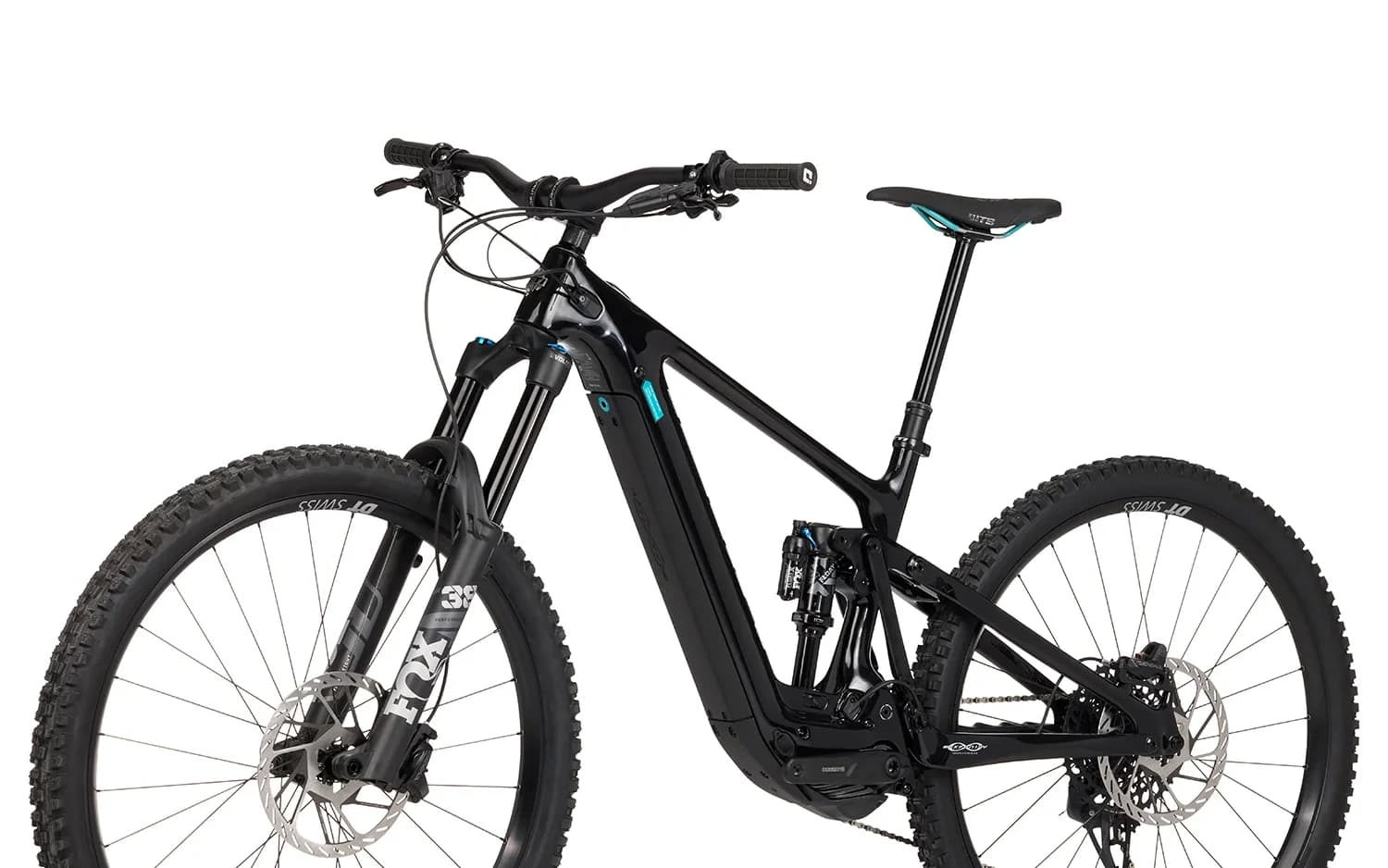
How to Choose the Right Size Electric Mountain Bike
2026-08-03 · 3 min read
An eMTB that fits wrong undermines even the best motor and suspension. Here’s how standover height and reach actually determine comfort.
Start with standover and reach
Standover height (clearance over the top tube) and reach (how stretched-out the riding position feels) matter more for day-to-day comfort than the marketed frame size label. A bike that "fits" on a size chart can still feel wrong in reach or standover for your body.
eMTBs are heavier — fit matters more, not less
The added weight of a motor and battery makes an eMTB less forgiving to muscle around than an unpowered mountain bike, especially at low speed or when dismounting on technical terrain. Correct standover clearance is genuinely more important here than on a traditional bike.
Frame size charts are a starting point, not a rule
Manufacturer size charts are a reasonable starting point based on rider height, but riding style, arm length and personal preference for a more upright or more aggressive position all shift the right answer. Two riders of the same height can want different frame sizes.
Geometry differs more between brands than you'd expect
A medium isn't a medium across brands. A Santa Cruz Heckler SL and a Yeti 160E can label the same size very differently in actual reach and standover, because each brand sets its own geometry philosophy — some lean toward a longer, slacker enduro-style fit, others keep things more compact and upright. This is exactly why comparing the size label alone across brands is unreliable, and why trying to match your old mountain bike's size letter to a new eMTB brand can steer you wrong.
Full-power vs SL changes the sizing conversation too
A lighter, SL-style build like the Specialized Turbo Levo SL handles closer to an unpowered mountain bike than a heavier full-power platform like the Trek Rail or Cannondale Moterra Neo. Because SL bikes carry less weight up front and in the frame, riders who are between sizes sometimes find an SL build more forgiving of sizing up slightly than a full-power bike would be, since the extra length doesn't come with the same low-speed heft to manage.
Test ride on real terrain, not a parking lot
A parking-lot spin tells you almost nothing about whether a size actually works for you. Standover clearance matters most when you're stopped on an incline or a rock, not on flat, smooth pavement — try to test ride on at least some actual trail terrain, or at minimum simulate a sudden stop and dab a foot down the way you would mid-trail. Reach matters most in a seated, pedaling position sustained over distance, which a five-minute lot loop won't reveal either. If a shop or seller only offers a flat-ground test, ask specifically about their return or exchange policy in case the size feels wrong once you're actually on a trail.
When in doubt, size down
Between two sizes, most riders are better served sizing down for a more agile, confidence-inspiring feel on technical trails, and adjusting stem or seatpost setup rather than sizing up and fighting a bike that feels too long. Talk to our team about your height and terrain before choosing.
Keep reading
Next up: Fat-Tire vs Standard E-Bike: Which Tire Width Is Right for You?. Or browse the full collection.