Sur-Ron Alternatives: What You're Actually Trading Off
2026-12-02 · 6 min read
Value-focused brands market themselves as Sur-Ron alternatives at lower prices. Here is what you actually gain and lose choosing one.
The alternative-brand pitch, examined honestly
A wave of value-focused brands has entered the market positioning themselves explicitly as "Sur-Ron alternatives" at a lower price. That's a fair pitch, but it deserves an honest look at what actually differs, rather than taking the marketing at face value.
What stays the same across tiers
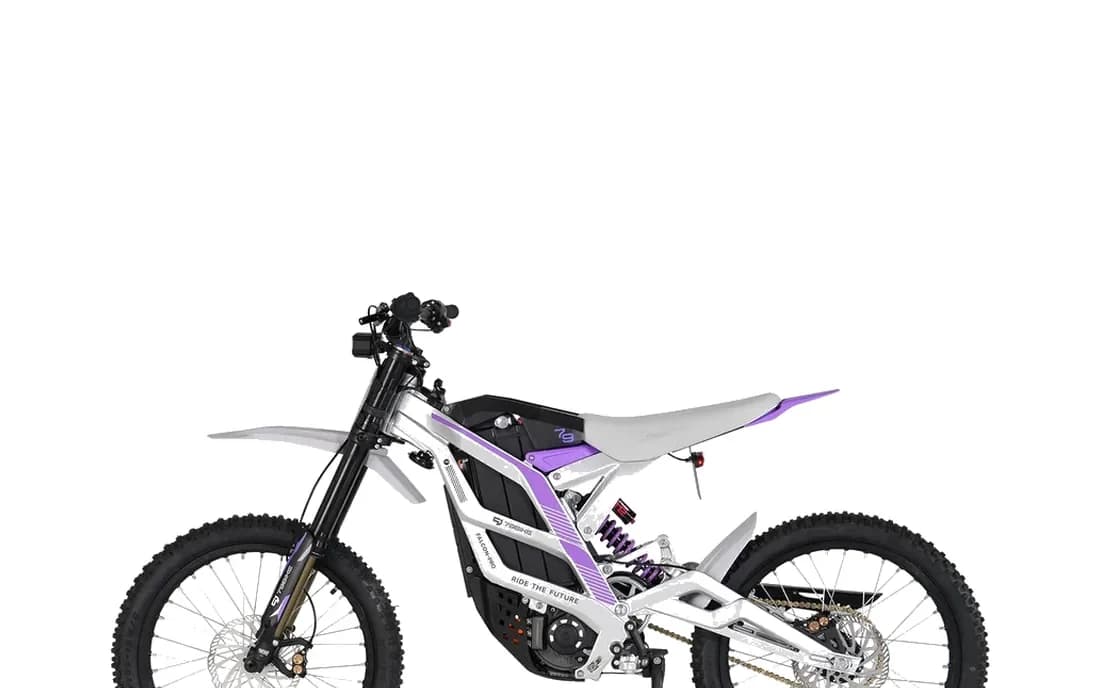
Core riding dynamics — instant torque, near-silent operation, low maintenance relative to gas — carry over to well-built alternative-brand models like the 79Bike Falcon Pro, which is why these alternatives can feel surprisingly close to the flagship experience on a first ride.
What you're actually trading off
The honest answer is brand support depth and resale value, not raw performance. A newer or smaller brand typically has a shorter track record for parts availability and service network size compared to an established name, and as covered in our resale value guide, brand recognition is one of the strongest drivers of used-market value — an alternative-brand bike may be mechanically comparable but sell for less down the line purely on that basis.
Who the trade-off actually favors
If you're buying to ride for years and don't plan to sell, the lower upfront price of a well-built alternative like the Falcon Pro is a straightforward win. If resale value or long-term parts support is a real priority, the flagship brand premium buys something real, not just a name.
Off-road use, not street use
Every model here is an off-highway vehicle built for private land and trail use, not public roads. Riding street-legally means sorting out registration, insurance and licensing in your state, so plan on a helmet and full protective gear and check local OHV rules before you head out.
Keep reading
Next up: Kids' Electric Dirt Bike Buying Guide, by Age. Or browse the full collection.