Riding Gear By Season: What Changes and What Doesn’t
2026-11-13 · 6 min read
Most gear guides treat riding gear as one-size-fits-all year round. Temperature changes what actually protects you, especially at the hands.
Gear isn't one-size-fits-all-year
Most buying guides recommend a single gear setup and leave it at that, but temperature genuinely changes what actually protects a rider — grip, dexterity, and how quickly fingers lose feeling at speed all shift with the season, and gear that's right for July can be a real hazard in January.
Why hands matter more than people expect
Cold hands lose dexterity and grip strength fast, which directly affects brake and throttle control — a genuine safety issue, not just a comfort one. Riders consistently underestimate how much colder it feels at riding speed than standing still, especially on an electric bike with no engine heat radiating up from below.
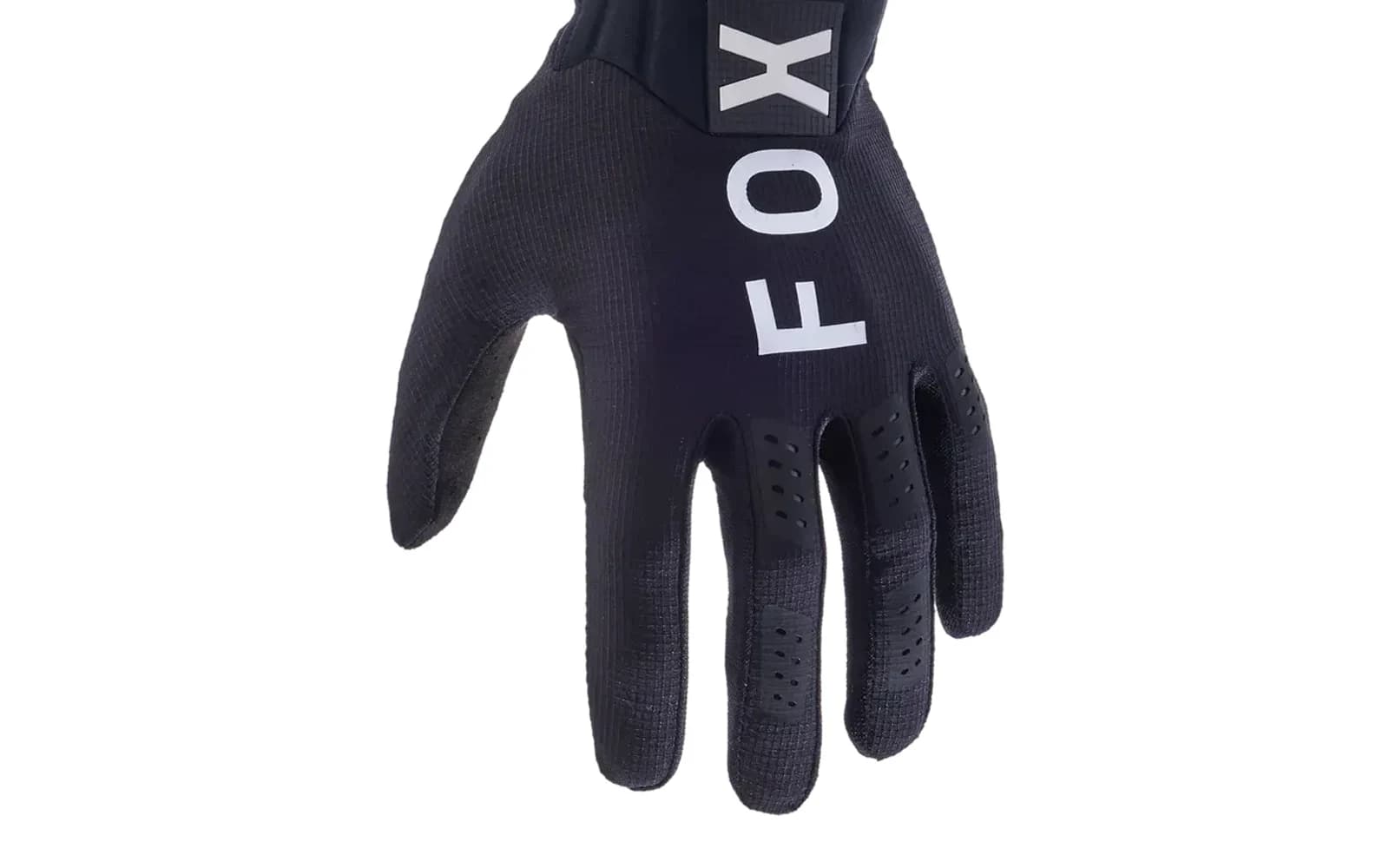
Where lightweight gloves like the Fox Racing Flexair fit
These are built for warm-weather dexterity and breathability — ideal for summer trail riding where heat and sweat are the bigger concern, but genuinely the wrong choice for cold-weather riding, where insulated, wind-resistant gloves matter more than fine motor control.
What actually changes by season
Summer: breathable, lightweight gloves and jerseys, hydration becomes a real concern on long rides. Winter: insulated gloves (even at some cost to dexterity), layered base and mid layers under standard gear rather than one bulky outer layer, and a realistic expectation that cold fingers reduce reaction time on the brakes. Shoulder seasons: layering flexibility matters more than any single piece of gear.
The mistake riders actually make
Buying one "good" glove and expecting it to work year-round. Dexterity-focused summer gloves and insulated winter gloves solve genuinely different problems — own both if you ride through real seasonal temperature swings.
Keep reading
Next up: Commuter E-Bike vs. Electric Dirt Bike: Which Fits You?. Or browse the full collection.