Commuter E-Bike vs. Electric Dirt Bike: Which Fits You?
2026-11-16 · 6 min read
They're both electric and both bikes, but that's where the similarity ends. Here's how to actually tell which one answers your real need.
Same category tag, completely different machines
Browsing "electric bikes" online lumps commuter bikes and off-road dirt bikes into the same general category, which obscures how different the actual use cases are. The right choice depends entirely on where you're riding, not on which one sounds cooler.
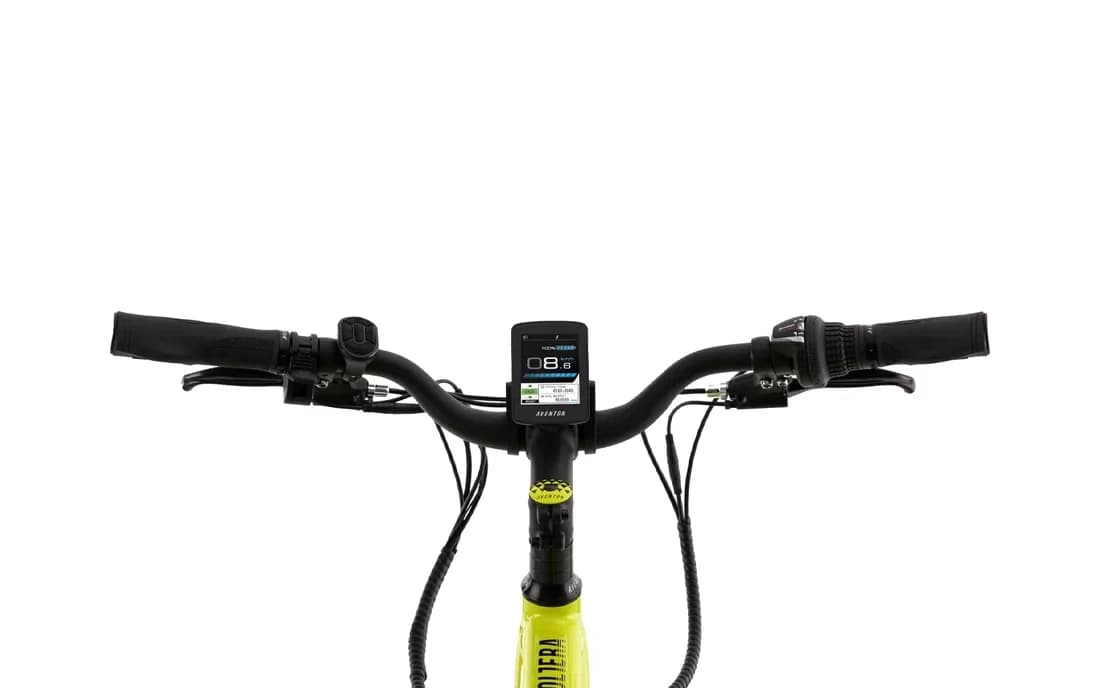
What a commuter e-bike like the Aventon Soltera.2 actually optimizes for
Lightweight frame, road-legal lighting and reflectors, a riding position built for comfort over distance rather than standing aggressively through rough terrain, and a battery/motor combination tuned for efficient range on pavement rather than peak torque on a loose surface. It's built to be ridden daily, parked outside, and used in traffic — none of which an off-road dirt bike is designed for.
What an electric dirt bike optimizes for instead
Suspension travel, aggressive tire tread, instant torque for climbing and acceleration on loose or technical terrain, and a riding position built for standing on the pegs — none of which translates well to a 10-mile paved commute, where that same suspension and tread just add rolling resistance and reduce range for no benefit.
The real decision test
If 80%+ of your riding will be on pavement or bike paths, start with a commuter model. If 80%+ will be trails, dirt, or off-road terrain, start with a dirt bike. The riders who end up unhappy with their purchase are almost always the ones who bought for the 20% use case and ride the 80% case every day.
Can one bike do both reasonably well?
Not really, not without real compromise on both ends — a commuter bike will struggle on genuine trail terrain, and a dirt bike is overkill and less comfortable for daily paved commuting. If you genuinely need both, two purpose-built bikes usually beats one compromise bike.
Keep reading
Next up: Youth-to-Adult Crossover Bikes: When Your Kid Outgrows the Starter. Or browse the full collection.