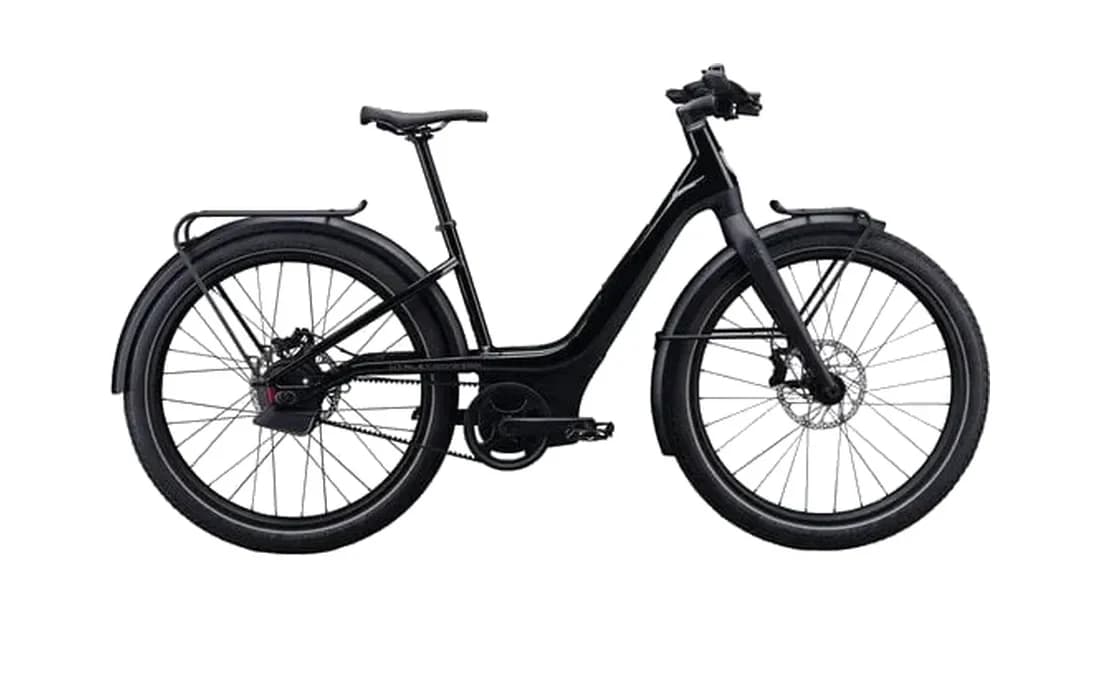
Serial 1 vs Trek Allant+: Premium Commuter Ebikes Compared
November 2, 2026 · 3 min read
Serial 1's Harley-Davidson-inspired Rush/Cty and Trek's Allant+ 7 both target riders who want a step up from entry-level commuting, but they get there from different directions - here's how their pricing, styling and positioning actually compare.
Two brands, two philosophies
Serial 1 and Trek's Allant+ 7 both sit above our electric commuter category's $2,299 median, but they arrive there from different directions. Serial 1 carries Harley-Davidson design heritage into its lineup, while Trek's Allant+ line is the premium tier within the deepest electric bike range we carry across any category - five commuter models spanning entry-level FX+ builds up to the flagship Allant+ 9S. Neither of these is an entry-level bike; both are for buyers who already know they want more than a basic city ebike.
Serial 1 Rush/Cty: moto styling at a mid-tier spend
At $3,800, the Serial 1 Rush/Cty is the accessible entry into Serial 1's own lineup, sitting below the brand's Mosh/Cty at $5,000 and the Mosh/Cty Evo at $5,500. It carries the same moto-inspired design language across the range, a detail that matters more to Serial 1 buyers than a generic city-bike look. It's also one of the models most cross-shopped against Trek's own Allant+ 9S at $5,000 - the Rush/Cty undercuts that bike by $1,200 while still carrying real moto heritage, which makes it worth comparing even against Trek's higher tier, not just the 7.
Trek Allant+ 7: the entry point into Trek's premium tier
The Trek Allant+ 7 is priced at $3,500, marking the entry into Trek's premium Allant+ line - a step up from the more value-focused FX+ 2 at $2,800, and the first of two Allant+ builds before the Allant+ 9S at $5,000. Trek's electric range is the deepest we carry across every category, and the Allant+ 7 represents the accessible end of that premium commuting tier. It's also priced similarly to the Specialized Turbo Vado SL 4.0, also $3,500 - a pairing riders regularly cross-shop when deciding between Trek and Specialized for a premium commuter.
Fit, ownership and what actually differs day to day
Both bikes are built for the same job - comfortable, upright, everyday commuting rather than off-road use or cargo hauling - so the practical differences come down to brand fit, styling, and which lineup you'd rather grow into later. Both clear Umbra Electric's $2,000 free-shipping threshold and ship to the United States, Europe and worldwide, with a 10% discount for BTC or USDT payment. Our team confirms current spec and warranty terms by email, our primary ordering channel, before any order is placed.
Verdict: which one fits your commute
If Harley-Davidson-inspired styling and Serial 1's moto design language are what draw you in, the Rush/Cty is the more accessible way into that brand. If you'd rather buy into Trek's broader five-model commuter range - with a clear upgrade path to the Allant+ 9S later - the Allant+ 7 is the better starting point at a slightly lower price. Either way, you're buying a genuine step up from entry-level commuting, not a compromise.
Keep reading
Next up: Electric Commuter Bike vs Folding Ebike: Which Fits Your Commute?. Or browse the full collection.