Electric Dirt Bike Battery Warranty & Degradation, Explained
2026-10-19 · 7 min read
Most electric dirt bike listings skip the one question that matters most after year two: how much range will the battery actually have left?
The spec sheet never mentions year three
Nearly every electric dirt bike page quotes a range figure and a battery chemistry and leaves it there. What it almost never addresses is how that range changes with use — lithium packs lose capacity on a charge-cycle curve, not a calendar, so a bike ridden hard every weekend degrades faster than one that sits most of the month. Expect a well-maintained lithium pack to retain roughly 80% of its original capacity somewhere in the 500-800 full-cycle range, with real-world mileage depending heavily on charging habits and storage temperature.
What actually extends a pack's life
Three habits matter more than any spec: avoid routinely charging to 100% and sitting there (most packs are happier parked at 60-80% between rides), avoid deep-discharging below 10% repeatedly, and never store a pack somewhere that swings through temperature extremes — a hot garage in summer or a freezing shed in winter both accelerate chemical breakdown even when the bike isn't being ridden.
Why a spare pack changes the ownership math
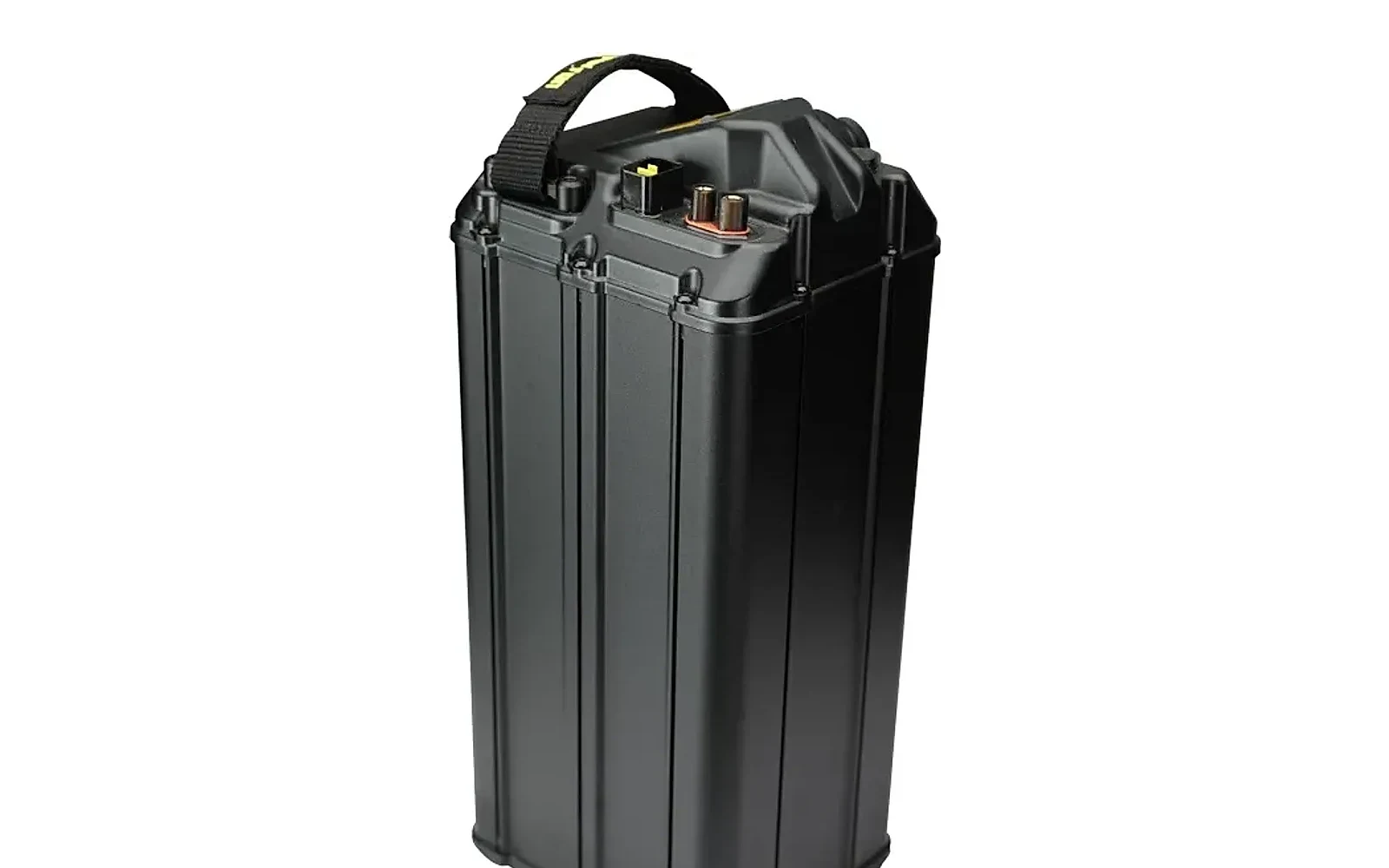
Carrying a spare 60V pack does more than double your riding range for the day — it also means your primary pack spends less time at full charge and more time resting mid-range, which is itself a degradation-reducing habit. For riders doing back-to-back trail days or weekend events, a spare pack is cheaper over a bike's life than replacing a worn-out primary pack early.
Ask before you buy, not after
Before ordering any electric dirt bike, it's worth asking directly what warranty coverage actually applies to the battery specifically (packs are frequently covered on a shorter term than the frame or motor) and what a replacement pack costs down the line. We give straight answers to both questions on every model we sell — it's cheaper to know upfront than to discover it at year two.
Off-road use, not street use
Every model here is an off-highway vehicle built for private land and trail use, not public roads. Riding street-legally means sorting out registration, insurance and licensing in your state, so plan on a helmet and full protective gear and check local OHV rules before you head out.
Keep reading
Next up: Electric Dirt Bike Resale Value: What Actually Holds Up. Or browse the full collection.