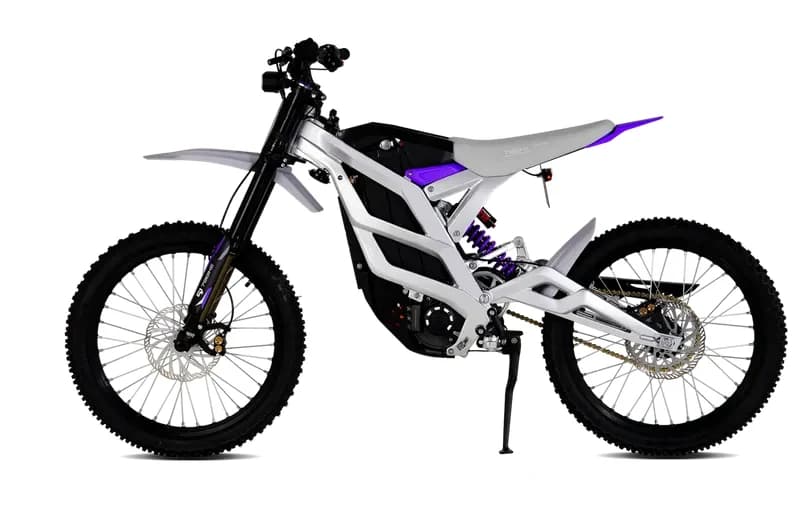
Electric vs Gas Dirt Bikes: The Real Cost of Ownership
2026-06-15 · 7 min read
Instant torque and near-silent trails are only part of the story. We compare maintenance, running costs and trail access.
Beyond the sticker price
Electric dirt bikes often cost more up front than comparable gas bikes, but ownership tells a different story. There’s no fuel, no oil changes, no air filters, no clutch, and far fewer moving parts to wear out. For many riders the running-cost savings are significant over time.
How much more depends heavily on where you shop. Our range alone runs from value-focused electric dirt bikes like the EMORTAL Rogue MX-01 at $2,999 or the RFN Warrior Pro at $4,200, up through Sur-Ron and Talaria models in the $4,400–$5,800 range, to flagship machines like the KTM Freeride E-XC at $11,299 or the Stark Varg at $12,900 and up. A gas bike comparison only makes sense against the right tier — comparing an entry-level electric trail bike to a flagship gas motocross bike, or the reverse, isn’t a fair read on the real price gap between the two categories.
Maintenance and reliability
Electric drivetrains are mechanically simple. You’ll still maintain tires, brakes, suspension and chain, but you skip most of the engine servicing gas bikes demand. Charging at home is cheap and convenient compared with buying fuel and premixing two-stroke oil.
A gas engine also needs periodic valve adjustments, top-end rebuilds as compression wears down over time, and, for two-strokes, regular piston, ring and cylinder wear checks as the engine ages. None of that applies to an electric drivetrain, which is why the maintenance gap between the two tends to widen the longer you own the bike rather than staying constant year to year.
Ride experience and access
Instant torque, no gears and near-silent operation change the experience entirely. Quiet running can also mean better access to land where noise is a concern. The trade-off is range and recharge time versus a quick fuel top-up — worth weighing against how and where you ride.
Insurance and registration factor in too
Because most electric dirt bikes are off-highway vehicles rather than street-legal machines, they typically don’t carry the same registration and insurance requirements a road-going motorcycle would, though local OHV registration or land-use fees can still apply depending on where you ride. See our guide on street-legal rules for what that means in your state. This isn’t a blanket cost advantage for electric over gas specifically, since plenty of gas dirt bikes are also off-highway-only, but it’s worth factoring in separately from the maintenance and fuel comparison above.
The verdict
If you value low maintenance, quiet trails and low running costs, electric makes a strong case. If you need long range and instant refueling for all-day backcountry riding, gas still has advantages. See our electric dirt bike range to compare.
Keep reading
Next up: How to Transport an Electric Dirt Bike Safely. Or browse the full collection.