Electric Dirt Bike Weight Capacity and Suspension Setup
2026-11-27 · 6 min read
Max rider weight is only half the story — suspension setup is the part that actually determines how a bike feels under you.
Weight capacity and suspension are the same question, answered twice
Our weight capacity guide covers the frame and range side of this question. The other half — how a bike's suspension actually needs to be set up for your specific weight — gets even less attention, and it's the part that determines how the bike feels under you on every single ride.
What "sag" actually is and why it matters
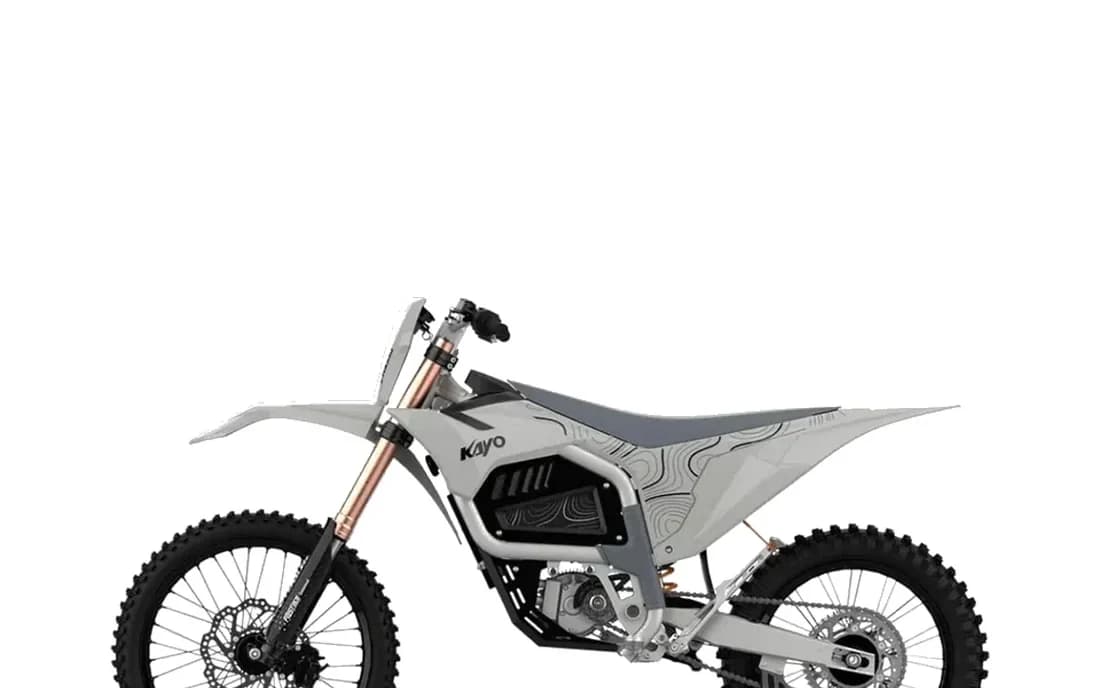
Sag is how far the suspension compresses under your weight alone, before you even hit a bump — set it too soft (not enough preload for your weight) and the suspension bottoms out on medium hits; set it too stiff and it transmits every small bump straight into the frame instead of absorbing it. Most stock suspension on entry-level bikes like the Kayo eC2i ships with a middle-of-the-road setting that suits an average rider weight reasonably well, but real adjustment matters for riders meaningfully heavier or lighter than that baseline.
A basic sag check you can do yourself
With the bike on a stand (fully extended suspension), measure from a fixed point on the frame to the axle. Then have the rider sit on the bike in full gear with support, and measure the same points again. The difference is your sag — compare it to your bike's recommended sag range (if specified) and adjust preload accordingly. This is a starting point, not a substitute for a shop's professional setup if you want it dialed in precisely.
Don't over-adjust based on one bad ride
A single rough trail day doesn't necessarily mean your suspension setup is wrong — terrain, speed, and riding style all affect how suspension feels on a given day. Make adjustments based on a pattern across multiple rides, not a single data point.
Off-road use, not street use
Every model here is an off-highway vehicle built for private land and trail use, not public roads. Riding street-legally means sorting out registration, insurance and licensing in your state, so plan on a helmet and full protective gear and check local OHV rules before you head out.
Keep reading
Next up: Entry-Level Electric Dirt Bikes: What Separates the Good Ones. Or browse the full collection.