Electric Dirt Bike Motor Types Explained
2026-08-11 · 3 min read
Hub motor or mid-drive changes how a dirt bike delivers power, handles hills and holds up to abuse. Here's how the two motor types actually differ.
Two very different approaches to power
Every electric dirt bike gets its power to the ground one of two ways: a mid-drive motor that runs through a chain and sprockets, or a hub motor built directly into the wheel. The choice affects weight distribution, hill-climbing ability and how the bike feels to ride, not just the spec sheet.
Mid-drive: why most electric dirt bikes use it
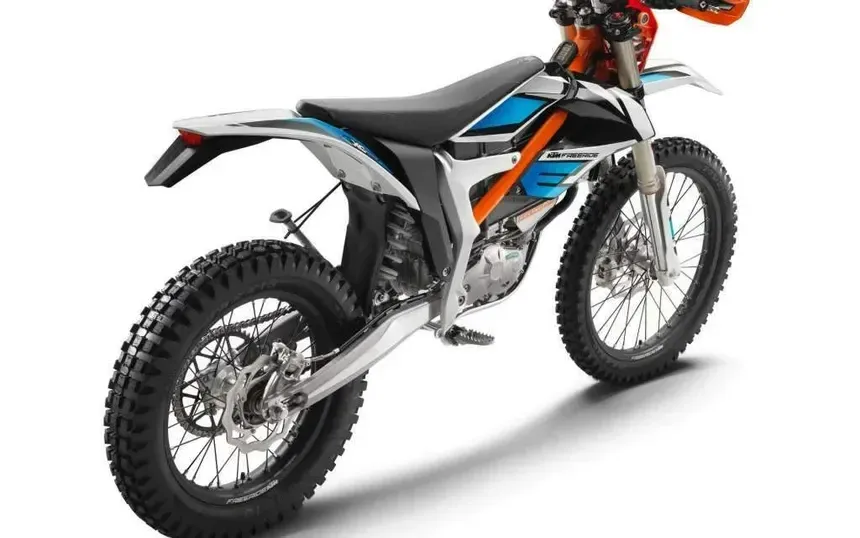
Most serious electric dirt bikes — the Sur-Ron and Talaria style machines included — use a mid-drive motor mounted low in the frame, driving the rear wheel through a conventional chain. This keeps weight centralized for better handling and lets the drivetrain use gearing to multiply torque, which matters on steep, technical climbs.
Hub motors: simple, but with trade-offs
A hub motor sits inside the wheel itself, which means fewer moving parts and less drivetrain maintenance. It's a common choice on some e-bikes and lighter-duty models, but a hub motor adds unsprung weight to the wheel, which can affect suspension performance on rough terrain compared with a mid-drive setup.
How gearing actually multiplies torque
A mid-drive setup lets a manufacturer choose the sprocket ratio between motor and rear wheel, the same way a gas dirt bike's final drive ratio is chosen. A smaller front sprocket relative to the rear multiplies torque at the wheel for climbing, at the cost of top speed; a taller ratio does the opposite. Because the chain and sprockets sit outside the motor, some mid-drive electric dirt bikes let an owner swap sprockets to bias the bike toward more low-end torque or more top speed, similar to gearing changes on a gas motocross bike — something a sealed hub motor generally can't offer.
Why unsprung weight matters on rough terrain
"Unsprung weight" is everything the suspension has to move on its own — the wheel, tire, brake and, in a hub-motor bike, the motor itself. Extra unsprung weight means the suspension has more mass to control every time the wheel hits a rock or rut, which can make the ride feel less composed at speed on rough trail compared with a mid-drive bike where the motor's weight is centralized in the frame instead of spinning with the wheel. This is a real, measurable engineering trade-off, not just a marketing talking point for mid-drive platforms.
Maintenance differences between the two setups
A mid-drive's chain and sprockets need the same periodic cleaning, lubrication and tension checks as a gas dirt bike's final drive, and the chain is a wear item that eventually needs replacing. A hub motor removes that maintenance point entirely, since power goes straight from the motor to the wheel with no external chain — one of the reasons hub motors remain popular on e-bikes aimed at low-maintenance commuting rather than serious off-road use. Neither setup is maintenance-free, but a hub motor trades chain upkeep for a sealed unit that's harder to service yourself if something does go wrong inside it.
What this means when you're shopping
If you're comparing electric dirt bikes for real trail or motocross-style riding, a mid-drive motor is generally the better fit for hill-climbing and handling. If you want the simplest possible drivetrain and you're riding lighter terrain, a hub-motor model can still make sense. Browse our electric dirt bike range and ask our team which drivetrain suits your riding.
Keep reading
Next up: Electric Dirt Bike Watt-Hours Explained. Or browse the full collection.