Electric Dirt Bike Insurance: What Riders Get Wrong
2026-10-30 · 6 min read
Most owners assume their homeowner's or auto policy covers an off-road electric bike. It usually doesn't, and the gap only shows up after something goes wrong.
The coverage gap nobody mentions at checkout
A new owner's first assumption is often that an off-road electric bike falls under a homeowner's policy (if ridden on their own land) or gets bundled into an existing auto policy. In most cases, neither is true, and the gap doesn't surface until a theft, a crash involving a third party, or storage damage actually happens.
What standard policies typically exclude
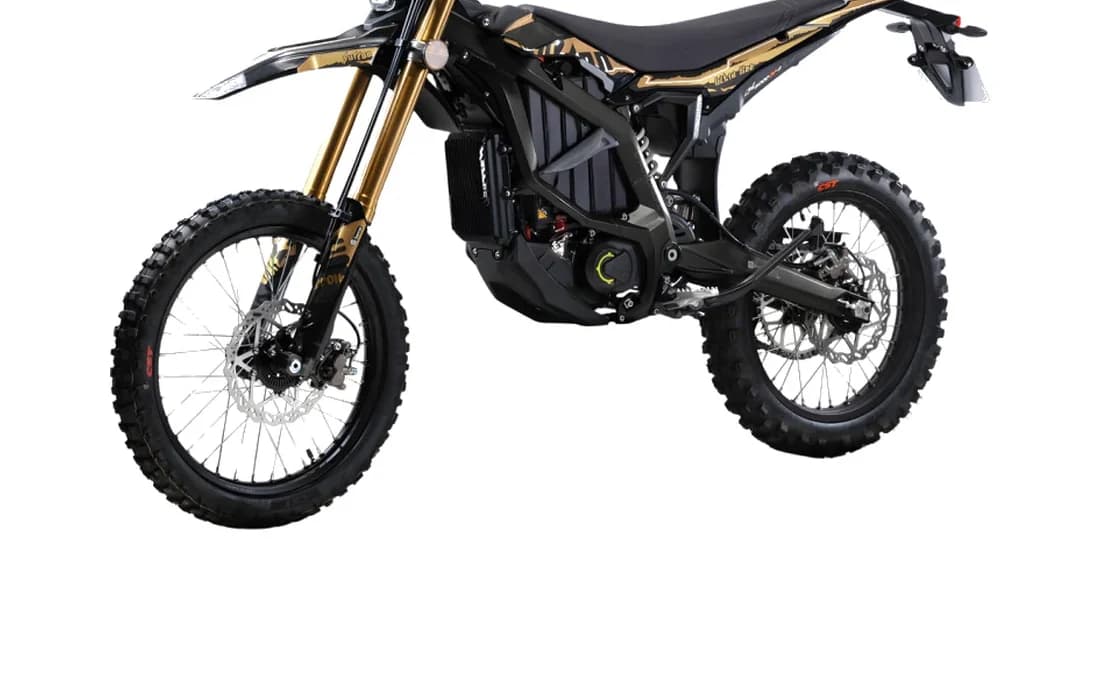
Homeowner's and renter's policies generally exclude motorized recreational vehicles from liability and theft coverage, treating them more like a lawn tractor than a covered personal item — and even when a policy does extend some coverage, limits are often too low to replace a $5,000-$13,000 bike. Standard auto policies are built around registered, titled vehicles and typically won't touch an off-highway-only machine like a Sur-Ron Ultra Bee at all.
What actually covers it
Dedicated off-road vehicle (OHV) or powersports insurance policies exist specifically for this gap, covering theft, collision, and liability for ATVs, dirt bikes and similar off-highway machines — electric models included, though worth confirming explicitly since some older policy language was written before electric bikes existed. A rider's or umbrella policy specifically listing the bike by value is the other common route serious owners take.
Theft is the risk owners underestimate most
Electric dirt bikes are lightweight, valuable, and — being battery powered rather than requiring a key-start ignition system — can be easier to move without the bike running than a comparable gas machine. A dedicated lock (see our lock guide) plus explicit theft coverage addresses two different layers of the same risk.
Off-road use, not street use
Every model here is an off-highway vehicle built for private land and trail use, not public roads. Riding street-legally means sorting out registration, insurance and licensing in your state, so plan on a helmet and full protective gear and check local OHV rules before you head out.
Keep reading
Next up: Street-Legal Electric Motorcycles vs. Off-Road-Only Models. Or browse the full collection.