Street-Legal Electric Motorcycles vs. Off-Road-Only Models
2026-11-02 · 6 min read
Not every electric two-wheeler in our catalog needs the off-highway disclaimer. Here's the real difference between a street-legal electric motorcycle and an OHV.
A distinction most catalogs blur
Browse enough electric dirt bike sites and the line between "street legal" and "off-road only" gets fuzzy fast — some pages imply street use is possible with a simple light kit, others stay silent on the question entirely. The real answer depends on the specific model, not the category.
What actually makes a model street-legal
Street legality isn't a universal spec — it's a combination of the manufacturer building the bike with a VIN, DOT-compliant lighting, mirrors and signals from the factory, and the rider completing state-specific registration, titling, insurance and licensing. A bike without factory VIN and lighting generally cannot be made street-legal after the fact, no matter what aftermarket parts get added.
Where the Zero FX sits
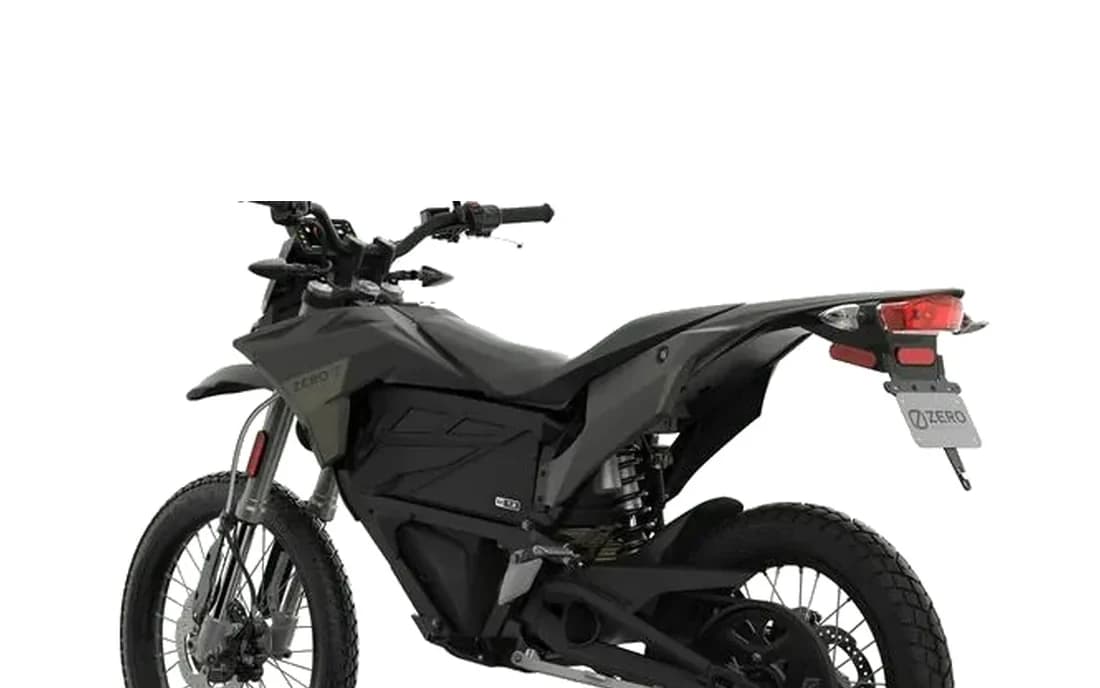
The Zero FX is built by Zero Motorcycles with a VIN and the factory equipment needed for street registration in most U.S. states, making it fundamentally different from the off-highway-only bikes in our adult electric dirt bike lineup — it's a genuine dual-sport electric motorcycle, not a dirt bike with lights bolted on. The Stark Varg EX follows a similar real regional street-legal path in specific markets, which is why it (and only it, among our dirt-bike-category Stark listings) carries different framing than the rest of that category.
Why this distinction matters before you buy
If daily commuting or any public-road use is part of your plan, confirm the specific model's factory street-legal status and your state's registration requirements before ordering — don't assume a bike can be converted later, because in most cases it genuinely can't be.
Off-road use, not street use (for OHV-only models)
Every model here is an off-highway vehicle built for private land and trail use, not public roads. Riding street-legally means sorting out registration, insurance and licensing in your state, so plan on a helmet and full protective gear and check local OHV rules before you head out.
Keep reading
Next up: E-Bike Theft Prevention: The Locks That Actually Work. Or browse the full collection.