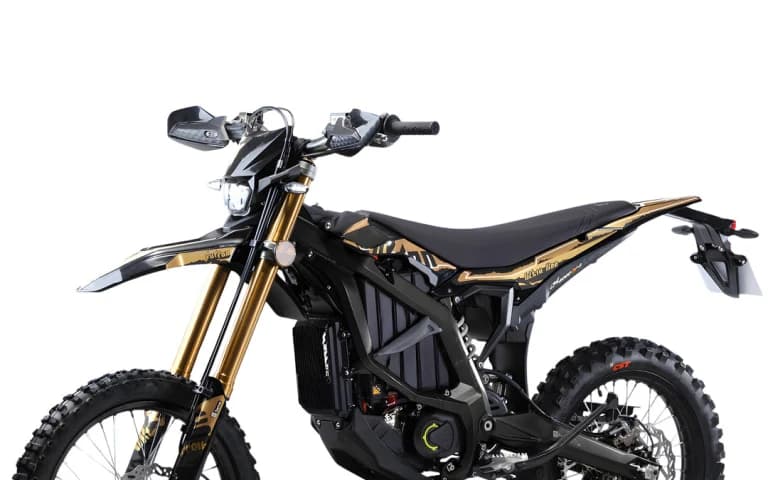
Sur-Ron vs Talaria: Which Electric Dirt Bike Wins in 2026?
2026-07-06 · 3 min read
Two icons of the e-moto world go head to head. We break down power, aftermarket support, ride feel and who each one is really for.
The two names that define the segment
If you've spent five minutes researching electric dirt bikes, you've met Sur-Ron and Talaria. Between them they created the modern lightweight e-moto category, and for most riders the real decision comes down to these two. Both are throttle-driven, mid-size, off-highway machines. Both have huge aftermarket ecosystems. So which one is right for you?
Sur-Ron: the original benchmark
Sur-Ron's Light Bee X is the bike that started it all, and the newer Ultra Bee pushed the platform further. Sur-Ron's advantage is maturity: the widest aftermarket, the most tuning knowledge online, and a proven reputation for build quality. If you want the safest long-term bet and plan to modify, Sur-Ron is the reference point every other bike is measured against.
Talaria: value and aggression
Talaria built its reputation by offering serious capability at a sharp price. The Sting MX3, Sting R MX4 and Sting R MX5 Pro, plus the newer Komodo, deliver strong power and a planted feel, and many riders feel you get more raw performance per dollar. The trade-off is a smaller (though fast-growing) aftermarket compared with Sur-Ron.
Where the lineups actually overlap on price
The two brands compete most directly in the middle of their ranges. Sur-Ron's Ultra Bee and Talaria's Sting R MX4 and MX5 Pro sit within a few hundred dollars of each other, which is exactly where most buyers end up cross-shopping. At the top end, Sur-Ron's flagship Storm Bee moves into genuinely different territory from anything Talaria currently offers, trading some of the Sting line's value-per-dollar positioning for a more finished, track-capable platform.
What "aftermarket depth" actually buys you
Aftermarket support isn't just about looks. A mature aftermarket means more documented suspension and motor upgrades, more third-party parts availability when something breaks, and a larger pool of other owners who've already solved whatever problem you're running into. That's the real value behind Sur-Ron's longer track record — not just brand recognition, but years of other riders working out the kinks first. Talaria's aftermarket has grown quickly as the Sting and Komodo lines have sold in volume, but it's still catching up on sheer depth of tuning knowledge.
Servicing and parts access
Both brands are imported, which means servicing and warranty support run through a dealer and importer network rather than a nationwide franchise the way a mainstream motorcycle brand would offer. In practice this makes buying from a retailer who can walk you through setup, parts sourcing and troubleshooting more valuable than it would be for a bike with service centers on every corner. It's worth asking about parts lead times and service support for whichever brand you're considering, not just sticker price, since that support matters most after the first few months of ownership once routine wear items need attention.
How to choose
Choose Sur-Ron if aftermarket depth, resale and refinement matter most. Choose Talaria if you want maximum performance-per-dollar out of the box. Either way, both are off-highway vehicles — not street-legal without registration and licensing. Browse our adult electric dirt bikes or compare models with the compare tool.
Keep reading
Next up: Sur-Ron Light Bee X vs Ultra Bee: Which One Fits You?. Or browse the full collection.