Throttle E-Motos vs Pedal-Assist E-MTBs: Which Fits Your Riding Style?
2026-08-09 · 7 min read
Both go off-road. Both are electric. The riding experience couldn’t be more different between throttle e-motos and pedal-assist eMTBs.
Two different kinds of effort
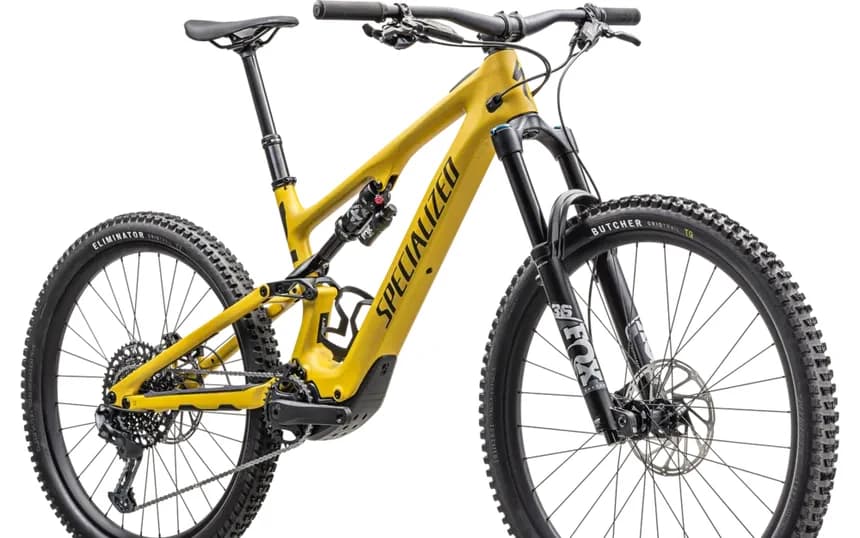
A throttle e-moto (like a Sur-Ron or Talaria) delivers power on demand with no pedaling required — the experience is closer to riding a lightweight electric motorcycle. A pedal-assist eMTB still requires you to pedal; the motor amplifies your effort rather than replacing it. Fitness-minded riders and mountain bikers tend to prefer the latter.
Trail access is not the same
Many mountain bike trail systems that welcome Class 1 eMTBs prohibit throttle-driven e-motos outright, since they’re classified as off-highway vehicles rather than bicycles. Always check the specific trail system’s rules — access for one does not imply access for the other.
This isn’t just a matter of etiquette. E-motos are typically classified as off-highway vehicles rather than bicycles, which is a legal distinction, not just a policy choice made by individual trail networks. Riding a throttle e-moto on a trail system that only permits bicycles, electric or not, can mean real legal exposure rather than just an awkward conversation with another trail user. See our guide on where electric dirt bikes can legally be ridden for more on how that classification works.
Skill development differs too
Riding a pedal-assist eMTB builds the same bike-handling and fitness skills as a traditional mountain bike, just with a boost on climbs. Riding a throttle e-moto develops motorcycle-style throttle control and body positioning — a different (and for many riders, complementary) skill set.
What each category costs
Budget tends to track the category. Throttle e-motos from Sur-Ron and Talaria mostly run from around $4,400 (Sur-Ron Light Bee X) to $8,500 (Sur-Ron Storm Bee), with Talaria’s Sting and Komodo models filling in the $4,900–$5,800 range. Premium eMTBs span a wider band: alloy trail builds from Giant or Trek start well under that, while flagship carbon builds from Santa Cruz, Yeti and Pivot reach into five figures. Neither category is inherently the “cheaper” choice — it depends which specific tier of each you’re comparing.
Weight and handling feel different too
A throttle e-moto is generally heavier than a pedal-assist eMTB, since it carries a larger motor and battery built for sustained throttle-only power rather than pedaling assistance. That extra weight is barely noticeable once moving, but it shows up at a stop or on technical terrain where you’re muscling the bike around at low speed or picking it up after a fall. An eMTB’s lighter overall weight and familiar bicycle geometry make it the more forgiving choice for riders still building confidence handling a powered bike off-road.
Some riders want both
It’s common for serious riders to own one of each: an eMTB for trail days with fitness and access flexibility, and an e-moto for private land where full off-road performance is the goal. See our eMTBs and electric dirt bikes side by side.
Keep reading
Next up: How Fast Do Electric Dirt Bikes Go? Top Speed Explained. Or browse the full collection.