Off-Road Gear Guide: What Actually Protects You
2026-10-28 · 7 min read
Most buying guides sell you the bike and stop there. Here's the protective gear that actually matters, and why boots are the piece riders skip first.
The gear conversation happens after the sale, if at all
Buying guides focus almost entirely on the bike — motor power, range, suspension — and treat protective gear as an afterthought, if they mention it at all. That's backwards. A helmet is the obvious non-negotiable, but after that, the piece riders most often under-invest in is footwear, and it's arguably the piece that matters most for how a crash or a stuck foot actually plays out.
Why boots matter more than most riders think
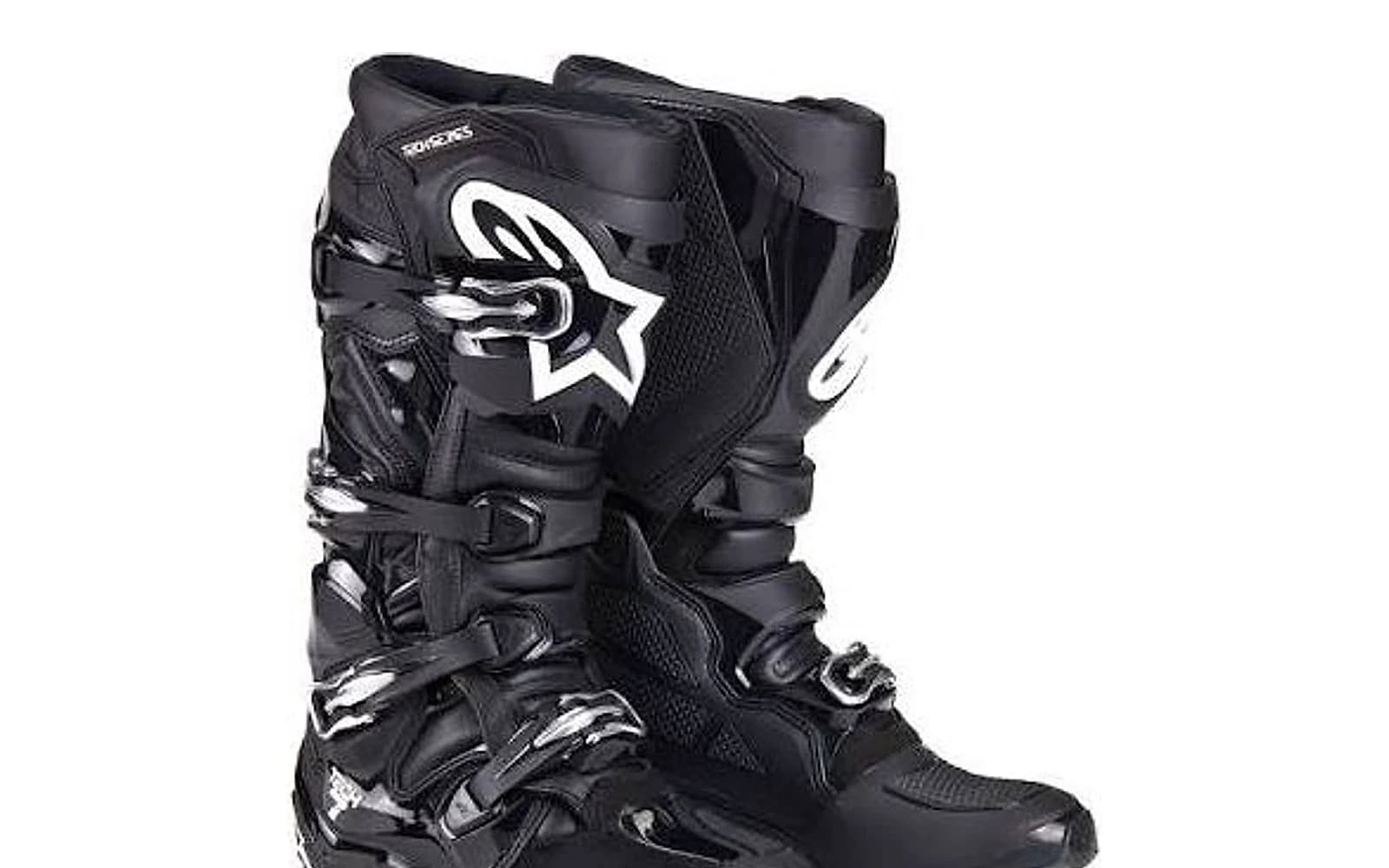
Ankles and lower legs take the brunt of impact in low-speed tip-overs and footpeg strikes — far more common than high-speed crashes for most riders. A proper motocross boot like the Alpinestars Tech 7 uses a rigid shell and articulated ankle hinge specifically to prevent the twisting and hyperextension injuries that casual boots or sneakers do nothing to stop.
The full checklist, in priority order
Helmet (DOT or ECE certified, replaced after any real impact, not just when it looks damaged), boots (rigid motocross-specific, not hiking or work boots), gloves with knuckle protection, a chest/back protector or full roost deflector for aggressive trail or track riding, and knee braces if you're riding technical terrain regularly. Goggles matter more than people expect too — dust and debris at speed is a real visibility hazard, not just a comfort issue.
Gear is not optional at any price point
Whether you're riding a $2,999 entry-level bike or a $12,900 flagship, the injury risk from a low-speed off is largely the same — gear spend should scale with how often and how aggressively you ride, not with how much the bike cost.
Off-road use, not street use
Every model here is an off-highway vehicle built for private land and trail use, not public roads. Riding street-legally means sorting out registration, insurance and licensing in your state, so plan on a helmet and full protective gear and check local OHV rules before you head out.
Keep reading
Next up: Electric Dirt Bike Insurance: What Riders Get Wrong. Or browse the full collection.