High Voltage Explained: What 72V Actually Means for Riders
2026-11-25 · 7 min read
Voltage numbers get thrown around as a performance headline, but most buyers never get a plain answer to what higher voltage actually changes.
Voltage is a headline number without a plain-language explanation
Buyers see "48V," "60V" and "72V" on spec sheets and generally understand "higher is better," without a clear sense of what's actually changing underneath that number — or why it matters for how a bike rides, not just how it's marketed.
What voltage actually changes
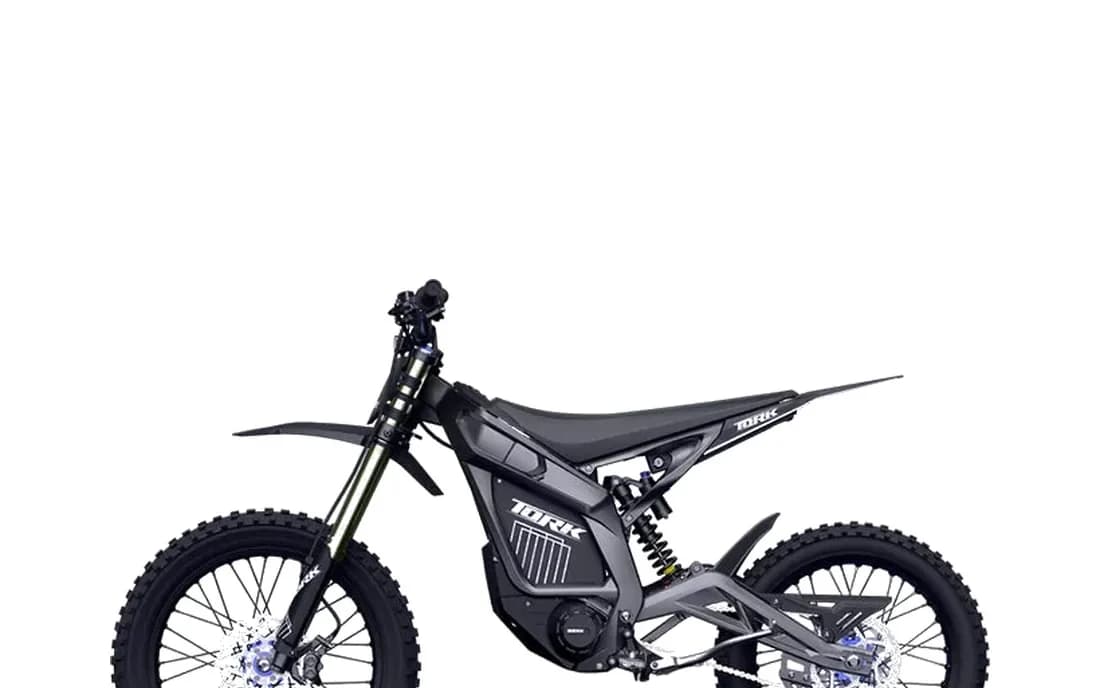
In simple terms, higher voltage at a given current allows a motor to deliver more power more efficiently, with less energy lost to heat in the wiring and controller — which is why high-power electric dirt bikes tend to run higher voltage systems rather than just using a bigger low-voltage battery. The Tork (Base Model) runs a 72V 16.8kW system specifically to deliver flagship-tier power output efficiently.
Does higher voltage mean faster, period?
Not automatically — top speed and acceleration depend on the full system (motor design, controller tuning, gearing) working together, not voltage in isolation. A well-tuned 60V system can outperform a poorly matched 72V system in real-world riding. Voltage is one input to performance, not the whole story.
Why this matters for aftermarket upgrades
This is also why battery and component compatibility matters so much on upgrades — see our battery upgrade guide. A controller rated for 60V can be damaged by a 72V pack, which is a direct, costly consequence of treating voltage as "just a bigger number" rather than understanding what it actually changes in the system.
Off-road use, not street use
Every model here is an off-highway vehicle built for private land and trail use, not public roads. Riding street-legally means sorting out registration, insurance and licensing in your state, so plan on a helmet and full protective gear and check local OHV rules before you head out.
Keep reading
Next up: Electric Dirt Bike Weight Capacity and Suspension Setup. Or browse the full collection.