Battery Replacement & Upgrade Guide for Electric Bikes
2026-11-09 · 7 min read
When a stock battery starts falling short, most riders don't know whether to repair, replace, or upgrade. Here's how to actually decide.
The three signals it's actually time
A battery that's genuinely due for replacement usually shows at least one of three signs: noticeably reduced range compared to when the bike was new (not just a slightly colder day), a pack that won't hold a charge overnight the way it used to, or visible swelling/damage to the casing — the last one is a safety issue, not just a performance one, and means stop using the pack immediately.
Repair, replace, or upgrade — the real difference
Repair (individual cell replacement within an existing pack) is rarely cost-effective or safe to DIY and is mostly a specialist-shop option. Replace means swapping in an equivalent-spec pack to restore original performance. Upgrade means stepping up voltage or amp-hour capacity for more range or power than the bike originally shipped with — which is only worth doing if the rest of the drivetrain (controller, motor) can actually handle the higher spec without being damaged.
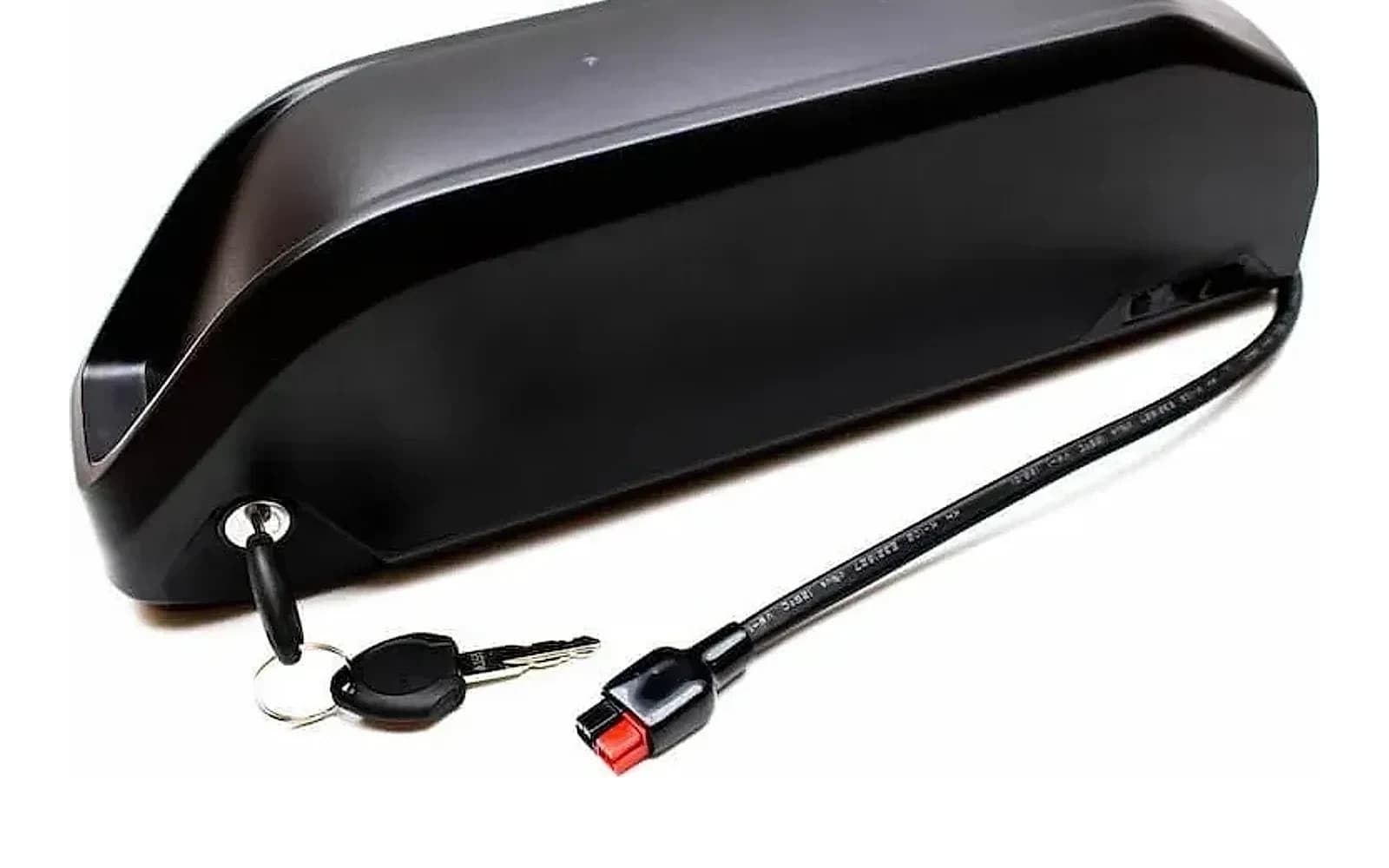
Why the Bafang 52V 17.5Ah pack is a common upgrade path
Bafang-compatible systems are widely used across the e-bike and conversion-kit market, which is exactly why this pack is a popular upgrade target — it's a genuine capacity step up for systems originally spec'd lower, provided the controller and motor are rated to handle 52V safely. Always confirm your specific system's voltage rating before upgrading; mismatched voltage can damage a controller that isn't built for it.
Never mix old and new cells in the same pack
A pack with some fresh cells and some degraded ones charges and discharges unevenly, which is both a performance problem and, in the worst case, a safety one. A full pack swap is almost always the right call over a partial cell replacement for anyone without specialist battery experience.
Keep reading
Next up: Off-Grid Charging: How to Charge an Electric Bike Anywhere. Or browse the full collection.