Night Riding: The Lighting Guide for Electric Bikes
2026-11-06 · 6 min read
Stock headlights on most electric dirt bikes and e-bikes are built for visibility to others, not for actually seeing the trail. Here is what closes that gap.
Two different jobs, one light
A stock headlight on most e-bikes and electric dirt bikes is designed primarily to make the rider visible to others — cars, pedestrians, other riders — not to actually illuminate a dark trail well enough to read terrain changes at speed. Those are genuinely different jobs, and most stock equipment is built for the first one.
What lumens actually tell you (and what they don't)
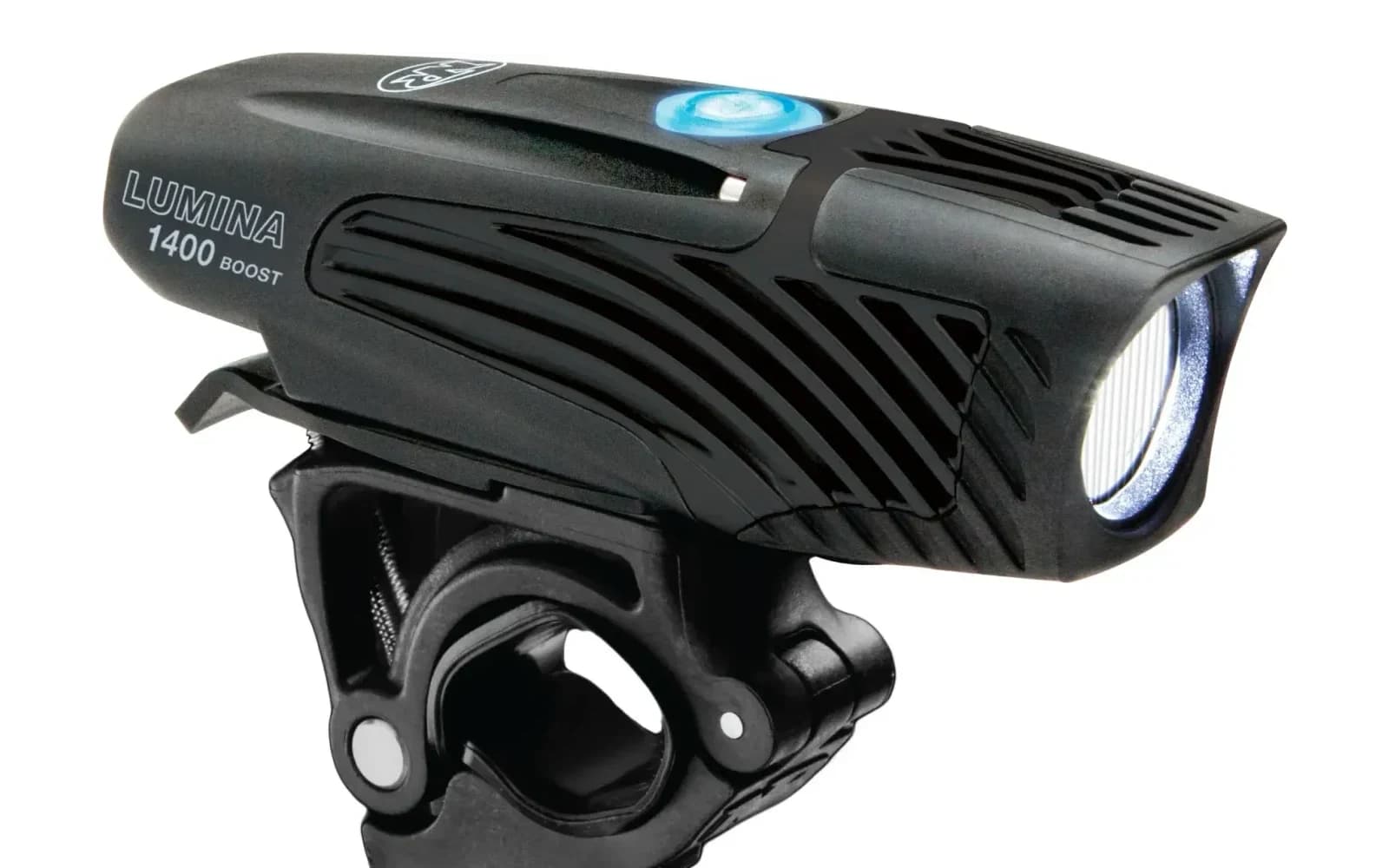
A higher lumen count generally means more total light output, but beam pattern matters just as much — a wide flood beam helps peripheral awareness on tight single-track, while a focused spot beam throws light further down a straight fire road. The NiteRider Lumina 1200 uses a combination pattern specifically because most real trail riding needs both at different moments, not one or the other exclusively.
Why night riding changes the gear calculus entirely
Depth perception for ruts, rocks and drop-offs degrades significantly in reduced light even with a bright headlight running, since peripheral vision and subtle shadow cues that help judge terrain in daylight mostly disappear at night. Riders who do regular night sessions should also reconsider tire choice and ride at a noticeably reduced pace relative to what feels comfortable in daylight on the same trail.
Battery runtime is the other half of the decision
A bright light that only lasts 90 minutes on its highest setting is a liability on a longer ride — check runtime at the brightness level you'll actually use, not just the peak lumen spec, and consider a light with a removable/rechargeable battery pack if your rides regularly run longer than that.
Off-road use, not street use
Every model here is an off-highway vehicle built for private land and trail use, not public roads. Riding street-legally means sorting out registration, insurance and licensing in your state, so plan on a helmet and full protective gear and check local OHV rules before you head out.
Keep reading
Next up: Battery Replacement & Upgrade Guide for Electric Bikes. Or browse the full collection.