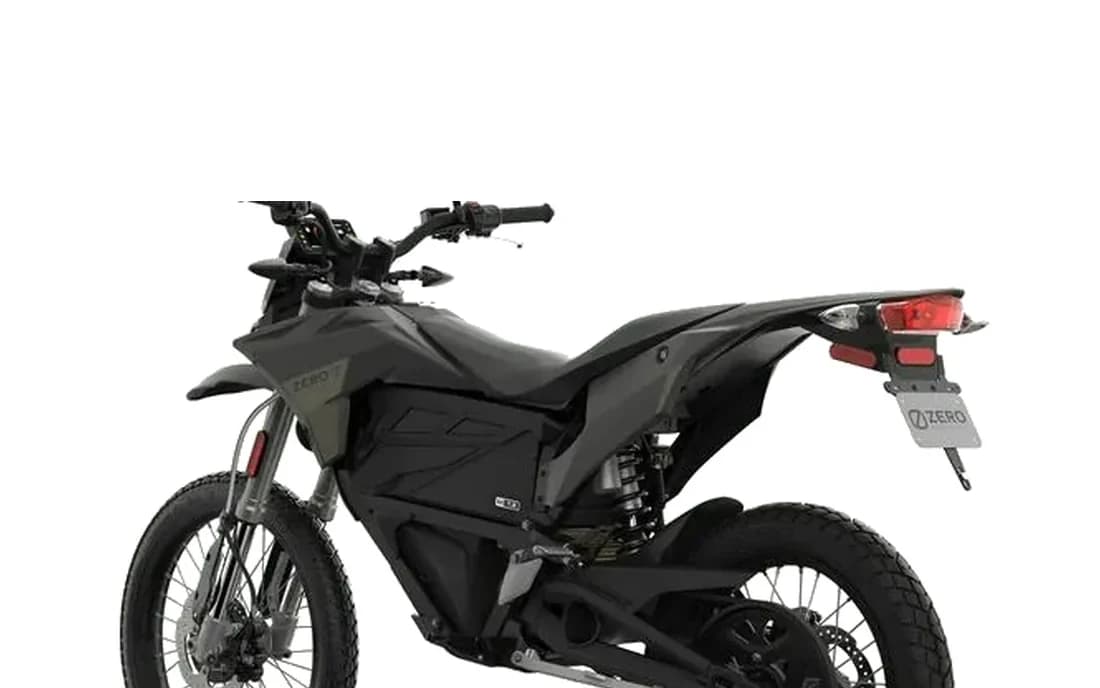
Zero XE vs Zero FX: How Far Up the Lineup Should You Go?
2026-10-03 · 3 min read
Zero's 2026 dirt bike lineup spans three tiers, and the gap between the mid-tier XE and the flagship FX is the widest jump in the range — both in price and in who each bike actually suits.
Where each bike sits in Zero's lineup
The Zero XE is priced at $6,495, the middle tier of Zero's three-model 2026 range, positioned for riders who want more performance headroom than the entry model without committing to flagship-level spending — that puts it above our $5,200 category median across the 31 adult electric dirt bikes we carry. The Zero FX sits well above it at $10,995, a genuinely different tier of build rather than an incremental step up from the XE. It's the entry point into Zero's true flagship pricing, and it's actually the most affordable bike in that flagship tier — it undercuts flagship machines from other brands, including the KTM Freeride E-XC, the KTM Freeride E-SM and both Stark Varg models. Both bikes carry forward Zero's background building street-legal motorcycles, a different engineering foundation than the e-moto-derived platforms from Sur-Ron or Talaria that dominate the rest of the category.
Who the XE suits
The XE is the pick for a rider who has already spent time on an entry-tier electric dirt bike and knows they want more performance, without spending flagship money on the FX or a KTM Freeride model. It carries Zero's street-motorcycle pedigree with the instant torque, near-silent operation and low maintenance the rest of this category is built around, just at a middle price point rather than the FX's flagship tier. For someone who has outgrown a first bike but isn't ready to commit to serious racing-level spending, it's a reasonable next step.
Who the FX suits
The FX is aimed at riders who value motorcycle-grade engineering and Zero's manufacturing scale over the deep aftermarket ecosystem that defines Sur-Ron, or the newer-brand energy of Talaria and Segway. As the most affordable bike in our true flagship tier, it's built with dual-sport intent for serious trail and track use — a rider buying the FX has usually already decided Zero's specific approach is the one they want, rather than comparing it dollar-for-dollar against an entry-level machine.
Legality, gear and ownership costs
Both the XE and FX are built as off-highway vehicles for private land and trail use, not public roads — neither is street-legal without appropriate registration, insurance and licensing where required, so always wear a helmet and proper protective gear and check your state and local OHV laws before riding either one. On the ownership side, paying with BTC or USDT saves 10% off the total. Given their price, both the XE and FX clear our $2,000 free-shipping threshold and ship to the United States, Europe and worldwide at no extra cost.
Verdict: how far up the lineup should you go
If you're deciding between the two, the honest answer usually comes down to budget and experience rather than a single "better" bike. The XE is the sensible step up from an entry-level machine for a rider still building experience and confidence; the FX is for someone who already knows they want Zero's street-motorcycle pedigree in a flagship-tier package and is ready to pay for it. Either way, our team confirms current stock and pricing by email before any order is placed.
Keep reading
Next up: Yeti 160E C2 vs C3: Which Build Kit Is Worth It?. Or browse the full collection.