New for 2026: What's Actually Different on This Year's Models
2026-11-23 · 7 min read
Model-year refreshes often get marketed as bigger changes than they are. Here is an honest look at what's genuinely new for 2026, and what's just a repaint.
The marketing gap between "new" and "new"
Every model year, manufacturers announce updates, and every model year, buyers have the same hard question to sort through: which changes actually affect performance, and which are a new color and a renamed trim level dressed up as news. It's worth a direct, honest look rather than taking marketing copy at face value.
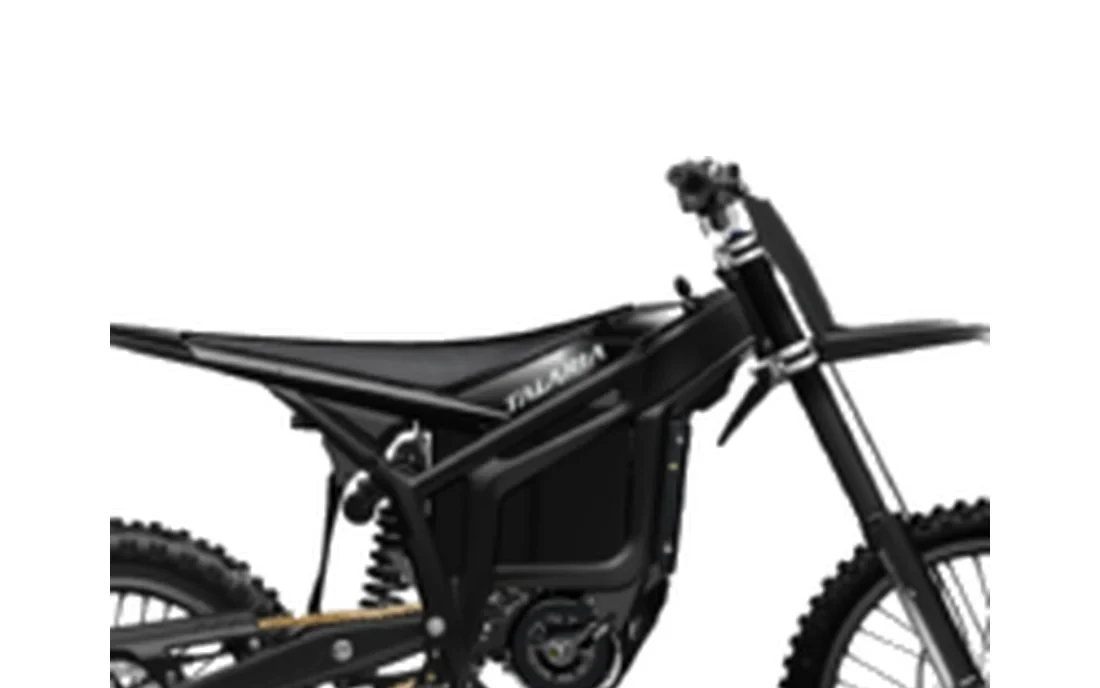
What's genuinely new on the Talaria Komodo for 2026
The 2026 Komodo represents a real platform step, not a cosmetic refresh — meaningful changes to suspension setup and power delivery over the prior generation, positioned to compete more directly with established names in the mid-tier price range. It's priced at $5,699, putting it squarely in the upper-mid tier alongside models like the Talaria Sting R MX4.
How to tell a real update from a repaint, generally
Look specifically for stated changes to motor output, suspension travel or componentry, battery capacity, or frame geometry — those are the categories that actually change how a bike rides. New colorways, renamed trim tiers, or minor cosmetic panel changes are legitimate but don't change performance, and buying guides (including this one) should be upfront about which category a given update falls into.
Should you wait for the next model year?
Only if a specific announced change matters to your actual riding needs — chasing "newest" for its own sake usually means paying a premium for marketing timing rather than a meaningful capability gain. A well-specced current model is frequently a better value than an unreleased "next" model with unclear real-world improvements.
Off-road use, not street use
Every model here is an off-highway vehicle built for private land and trail use, not public roads. Riding street-legally means sorting out registration, insurance and licensing in your state, so plan on a helmet and full protective gear and check local OHV rules before you head out.
Keep reading
Next up: High Voltage Explained: What 72V Actually Means for Riders. Or browse the full collection.